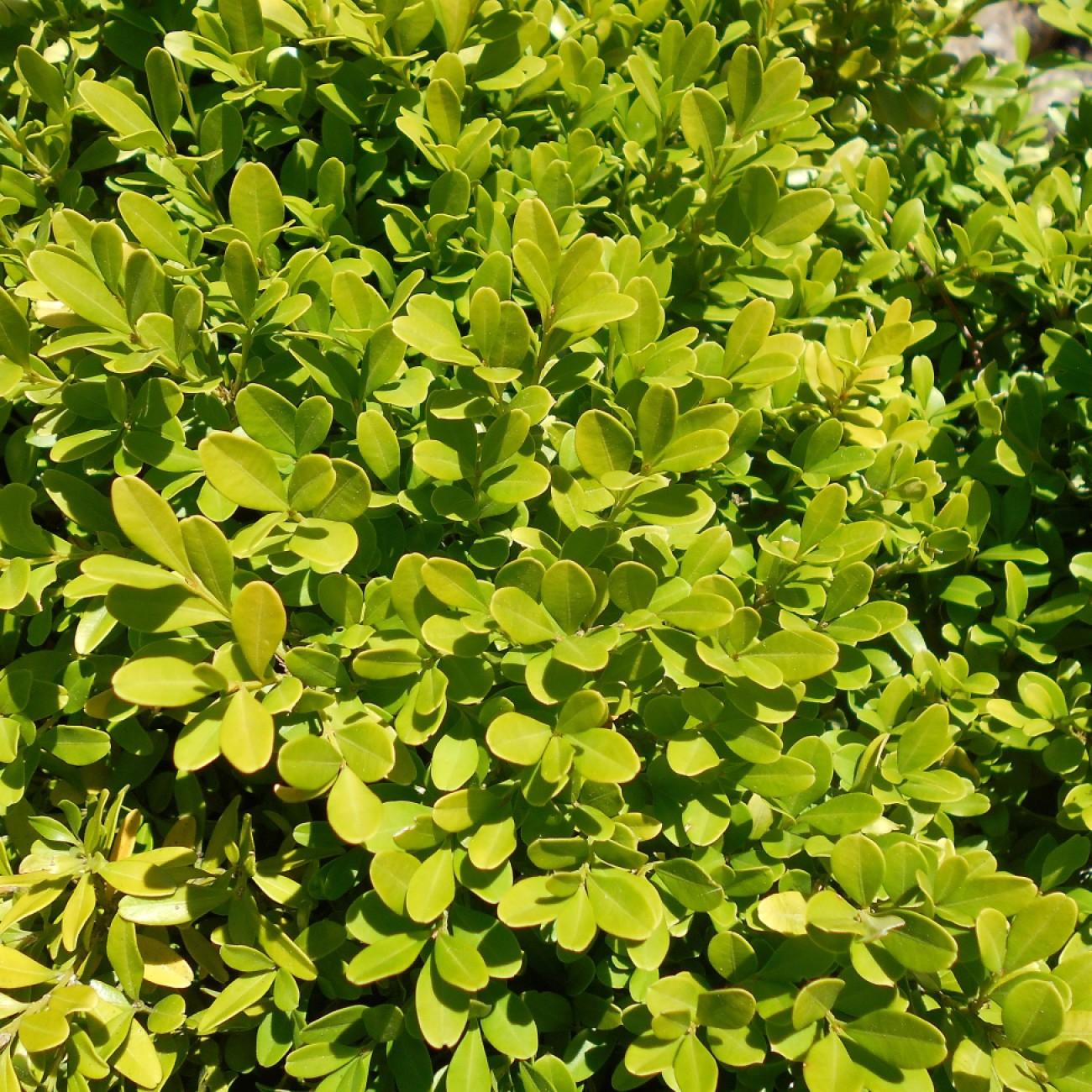
boxwood
Buxus microphylla 'Compacta'
Overview
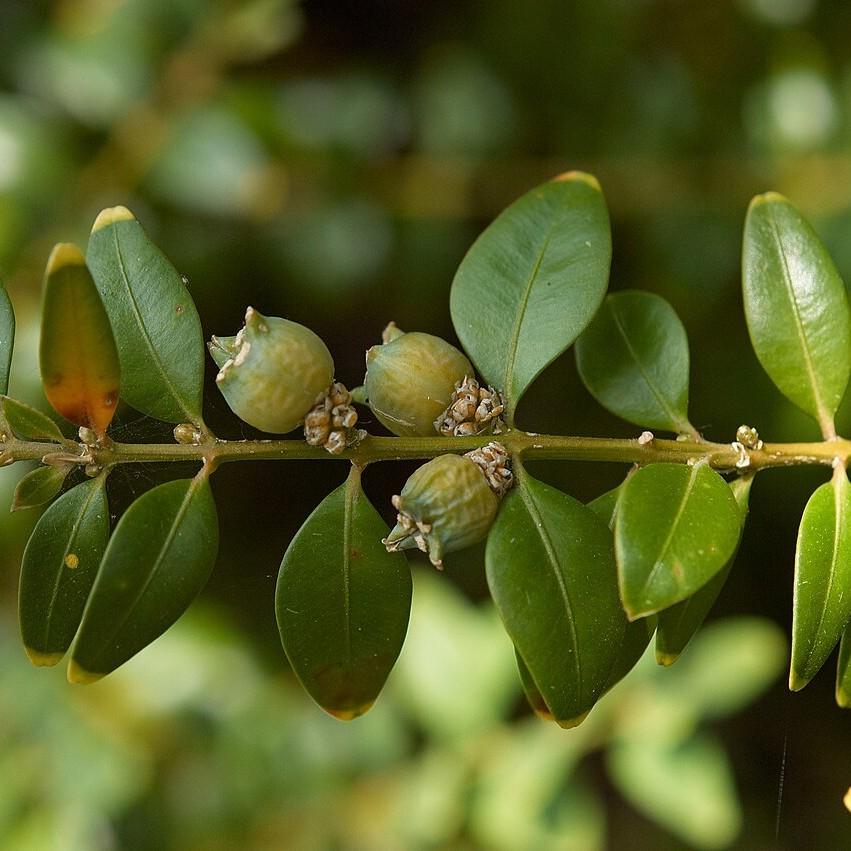
Boxwood (Buxus microphylla 'Compacta') is an amazing evergreen shrub. It is small and densely packed to give its compact silhouette and bushy look. It's dark green leaves make it the perfect small hedging plant for a formal garden style. But it does even more than just provide an elegant look. Its small leaves make it resilient enough to resist a majority of common varieties of pests, as well as having a natural resilience to frost damage. Its low maintenance and hardiness make it a perfect choice for areas with cold winters and poor soils.
Care Guide
Watering
Watering Boxwood plants need to be done on a regular basis to keep them healthy and growing. Most Boxwood plants require about 1-2 inches of water per week during the growing season, either from rainfall or by providing supplemental irrigation. It is important to not over water the plant – allowing the soil to dry slightly between watering is recommended. During the wintertime, the water needs for Boxwood plants are minimal, but if there is a long dry period, it is helpful to occasionally give the plants a thorough watering.
Light
Boxwood (Buxus microphylla 'Compacta') grows best in bright, indirect sunlight. It should receive several hours of direct sunlight a day, but not too long, especially in the afternoon hours when the sun is the strongest. For best results, it should get at least 3 to 4 hours of direct morning sunlight each day, with the option of dappled or indirect light for the rest of the day to prevent sunburn. If it's grown indoors, it should be placed in a location that receives plenty of sunlight throughout the day.
Soil
Well-drained
Temperature
Hardiness zone 6–9.
Pruning
For Boxwood (Buxus microphylla 'Compacta'), pruning should take place twice a year; in early spring (March) and in late summer (August/September). Pruning should be done lightly and strategically, removing only a small portion of the growth. This will help maintain the desired size and shape of the shrub while avoiding damaging the plant's health. When pruning, keep in mind that removing more than 25% of growth should be avoided. Removing too much of the plant's growth will reduce the number of leaves it can photosynthesize with, which can ultimately reduce the health of the plant. Additionally, it's important to make sure the pruning shears are sharp to avoid tearing the branches of the plant, which can lead to infection and disease.
Propagation
Cutting, Layering Propagation, Grafting Propagation, Division, Seed Propagation
Diseases & Pests
Common pests: Pest resistant, Disease resistant, Deer resistant, Rabbit resistant, Drought resistant.
Related plants
Other plants you might like if you grow boxwood.
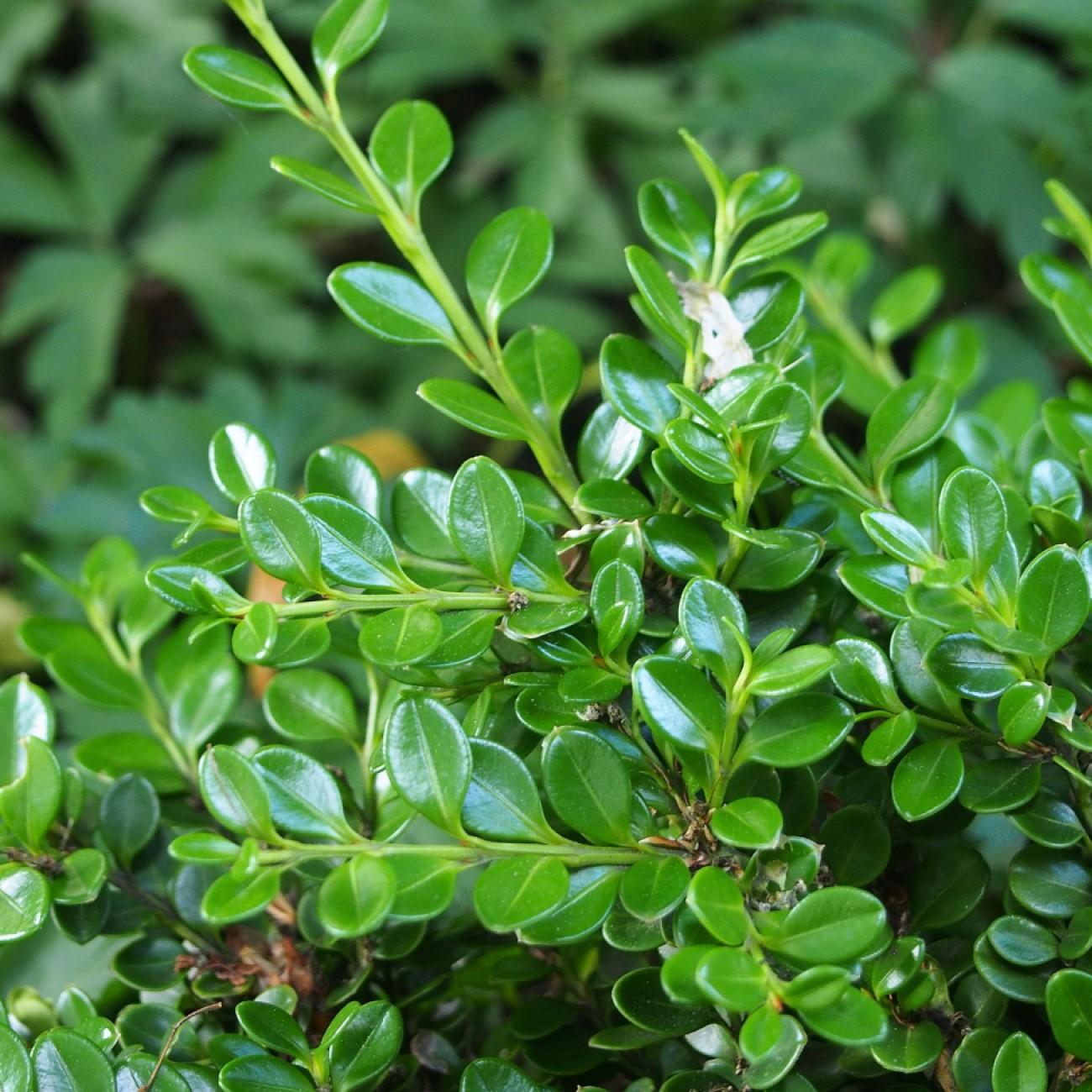
boxwood
Buxus microphylla 'Apple Green'
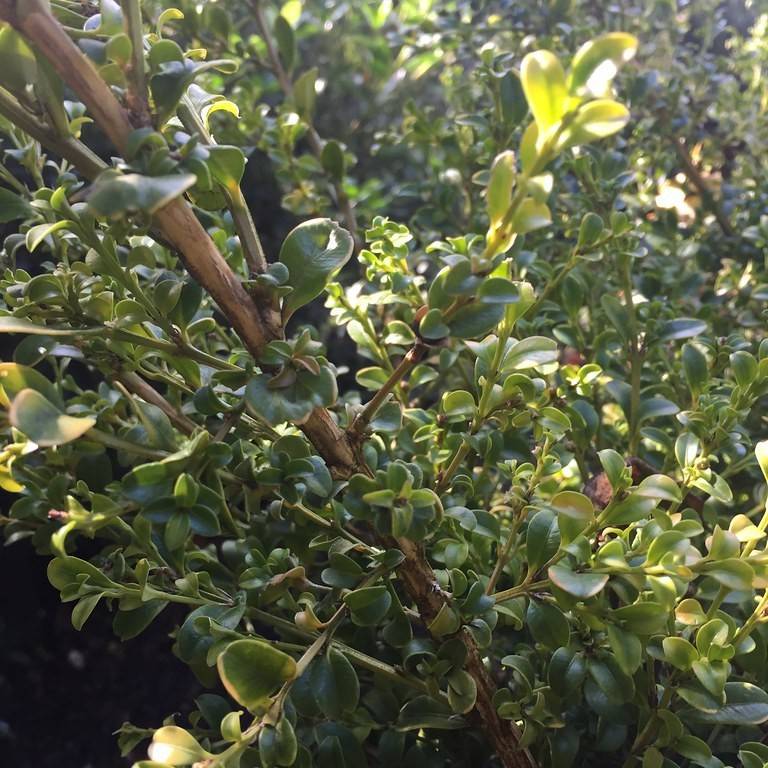
boxwood
Buxus microphylla 'Curly Locks'
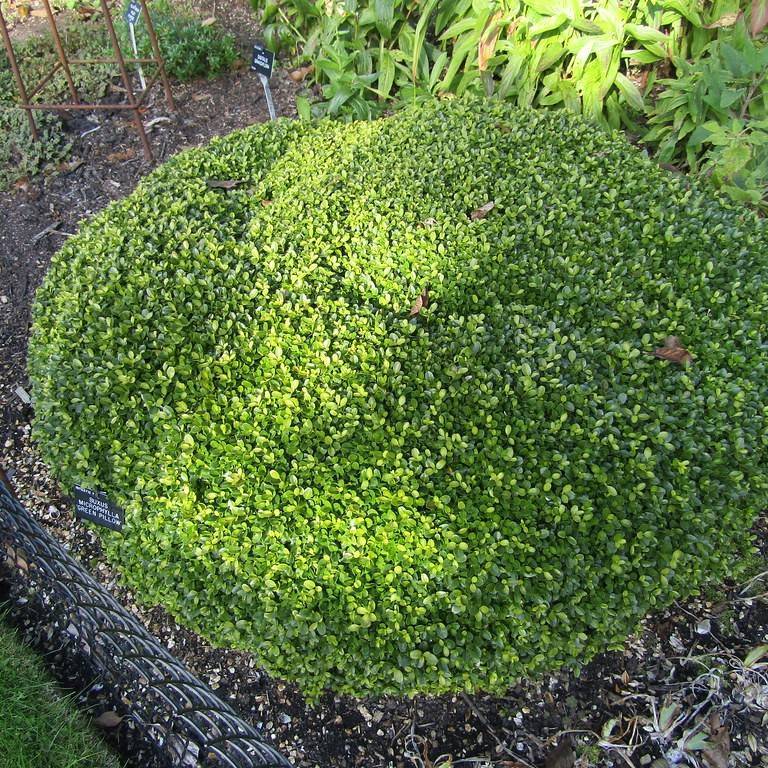
boxwood
Buxus microphylla 'Green Pillow'
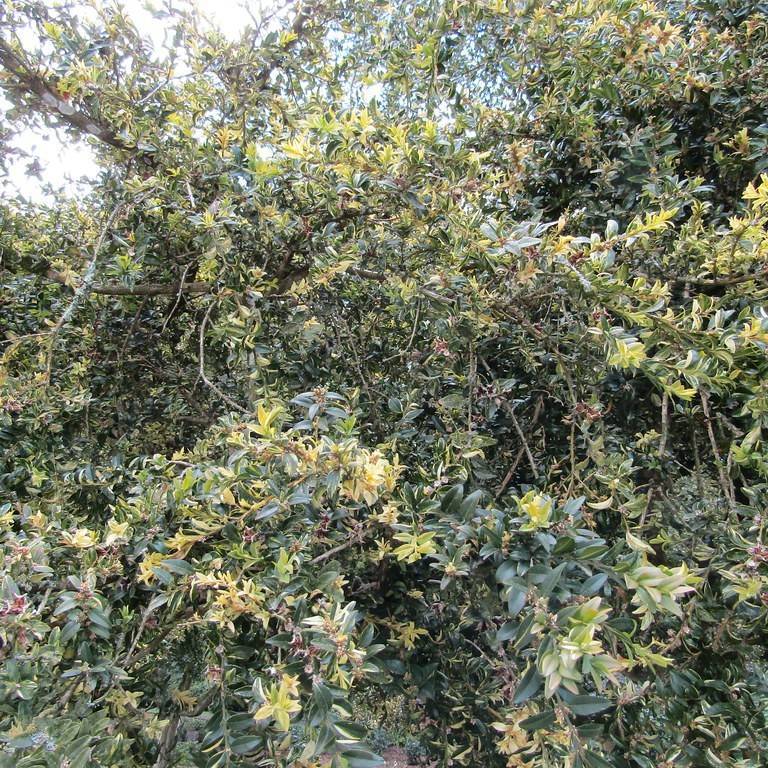
boxwood
Buxus sempervirens 'Aurea Pendula'
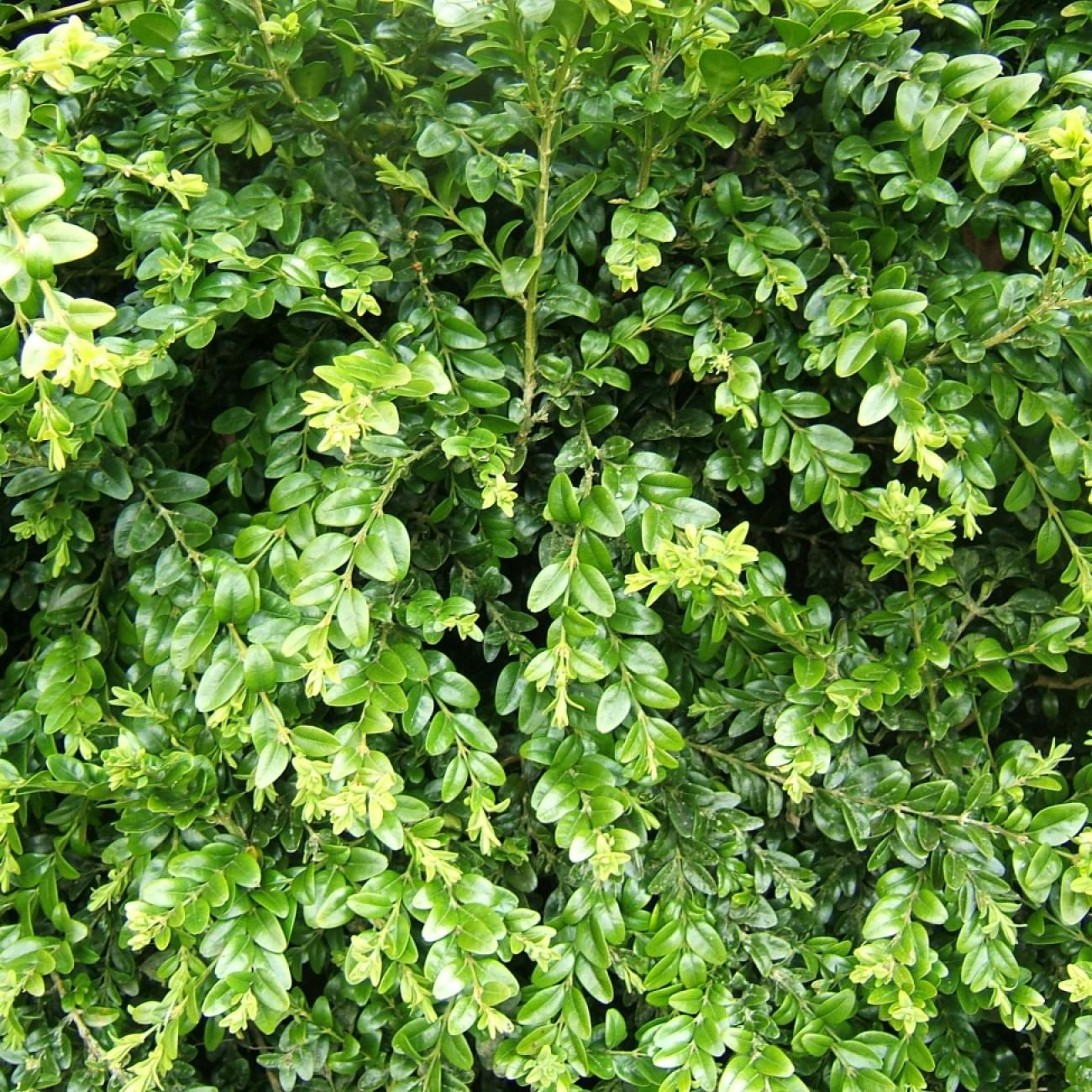
boxwood
Buxus sempervirens 'Chloe'
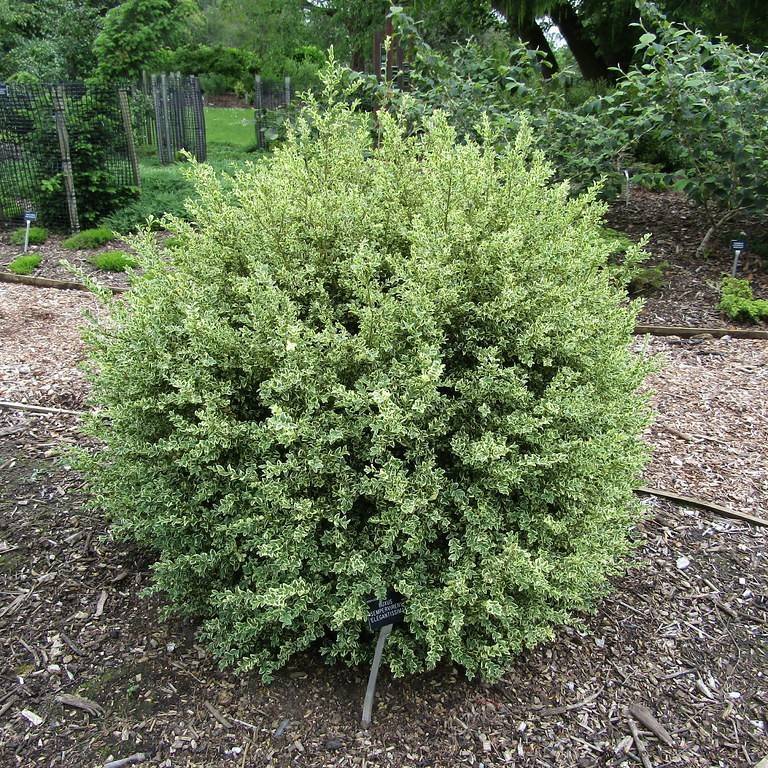
boxwood
Buxus sempervirens 'Elegantissima'
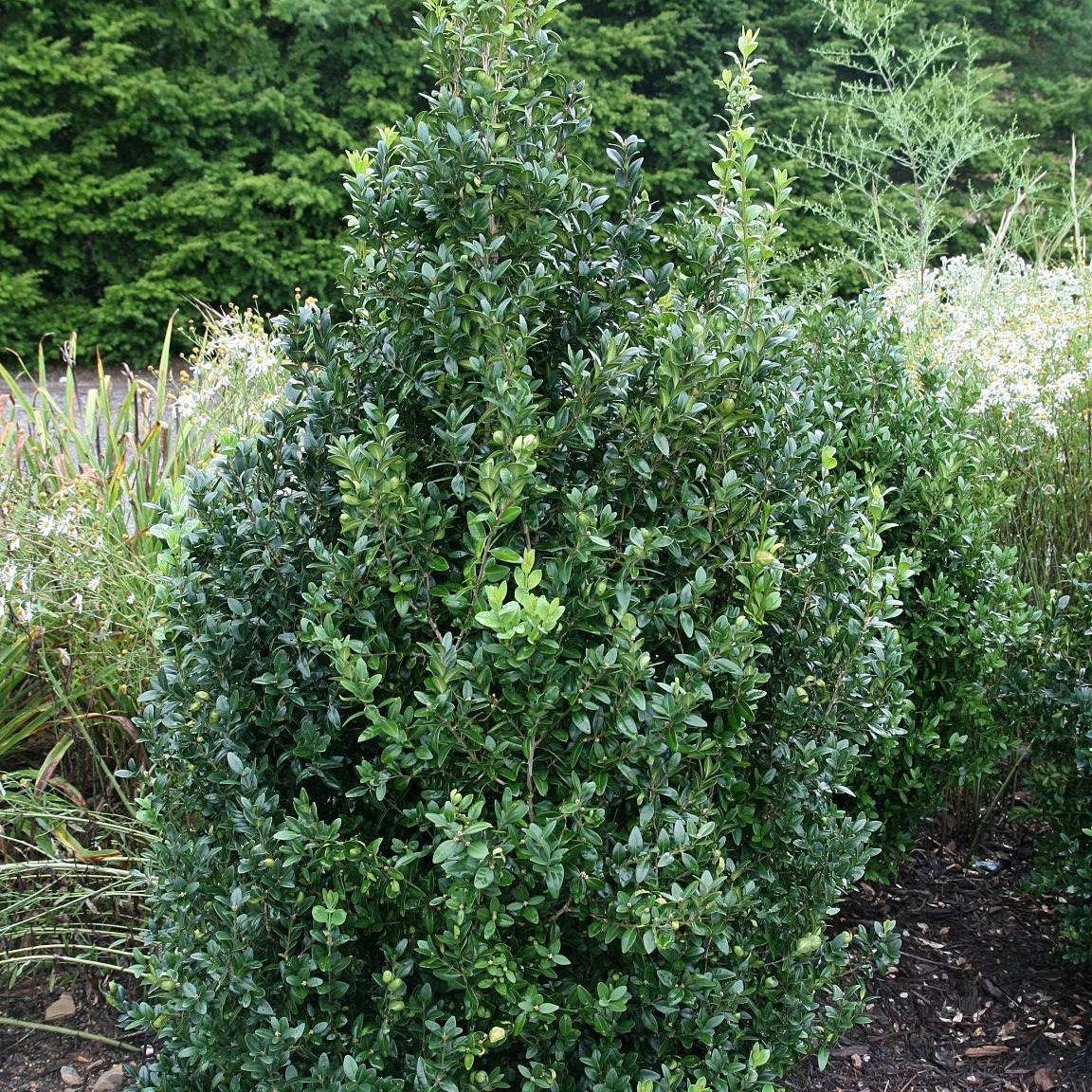
boxwood
Buxus sempervirens 'Fastigiata'
boxwood
Buxus sempervirens 'Flora Place'