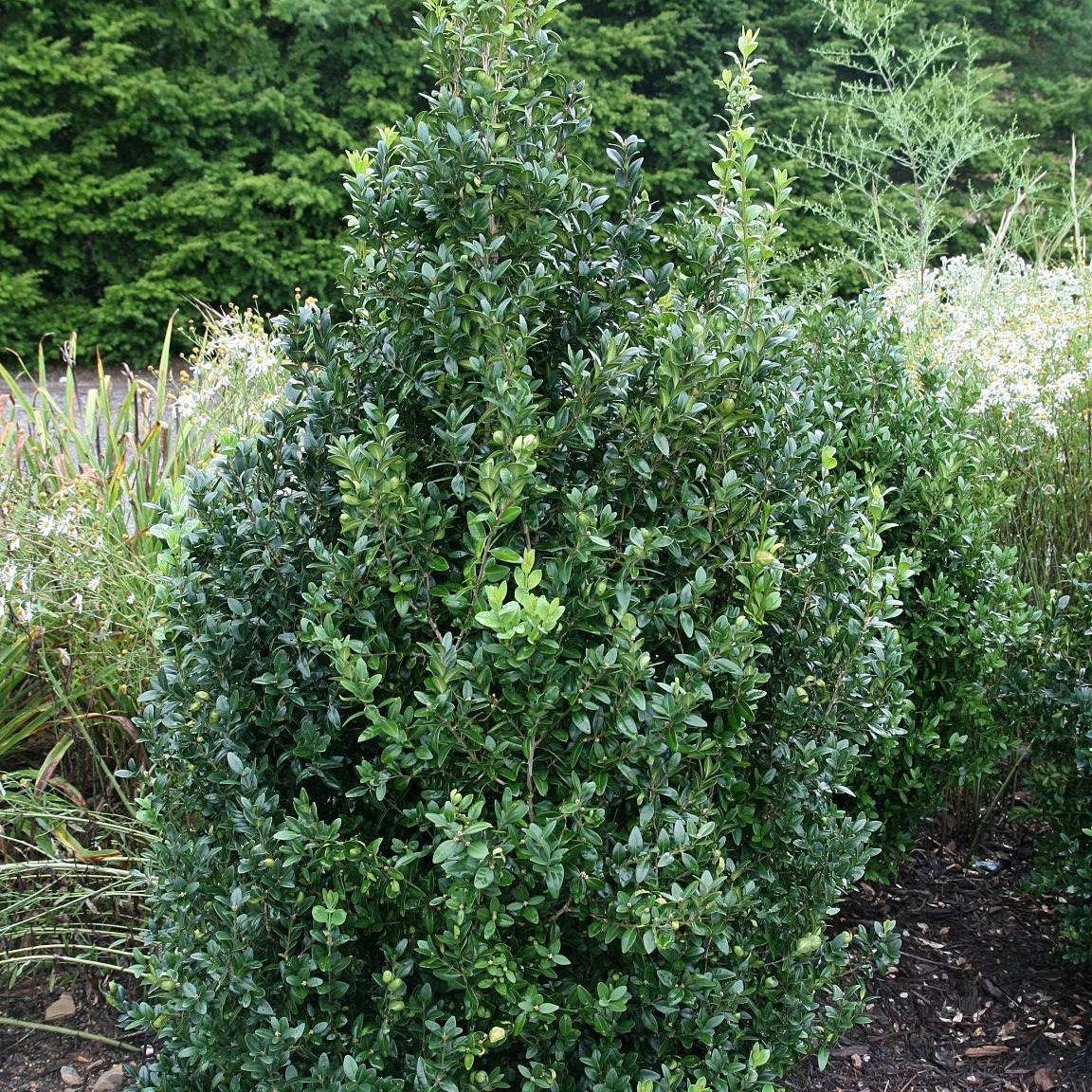
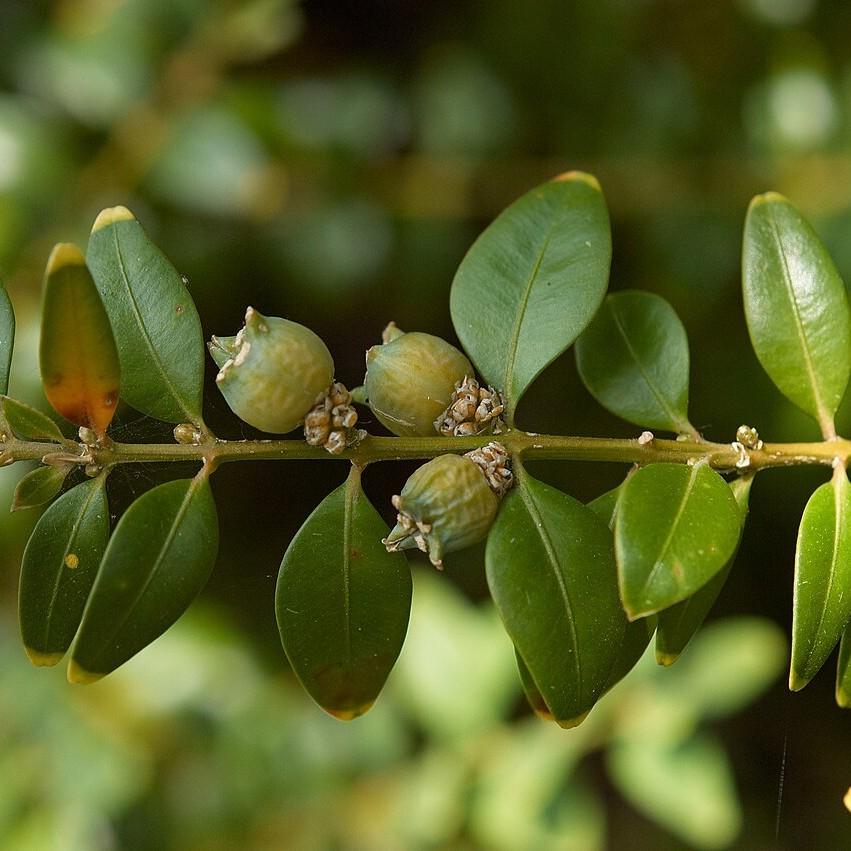
boxwood
Buxus sempervirens 'Fastigiata'
Overview
Boxwood (Buxus sempervirens 'Fastigiata') is a remarkable plant species renowned for its multiple uses and versatility. It is a perfect option for formal hedging, topiary, and safety barriers. Its fine-textured evergreen foliage provides year-round color and the sun-tolerant species thrives in shady or sunny locations. It is also tolerant of most soils and has an extremely good tolerance of pruning, making it an easy plant to shape. As a bonus, Boxwood will flower in late springtime and add further interest to your garden. With its elegant habit and spectacular foliage, Boxwood is an amazing species deservedly worth having in your garden!
Care Guide
Watering
Boxwood (Buxus sempervirens 'Fastigiata') is a very drought-tolerant evergreen shrub that requires little supplemental watering to remain healthy. Water deeply and infrequently, usually every 2-3 weeks throughout the year, or when the soil is dry to the touch. Make sure to not overwater the plant, as this can cause root rot and other issues. For optimum health, water your boxwood deeply enough to moisten the entire root zone without creating puddles. In times of hot, dry weather, water more frequently; make sure to water thoroughly to ensure adequate soil moisture.
Light
Boxwood (Buxus sempervirens 'Fastigiata') prefers full sun to partial shade, and is more likely to thrive when it gets 6-8 hours of direct sunlight each day. Morning sun is best, as too much afternoon sun can damage the foliage. Sensitive to extreme temperatures, boxwood will benefit from the dappled shade of nearby tall trees during hot summer months, and will appreciate shelter from cold winter winds when planted in cooler climates.
Soil
Alkaline, Well-drained
Temperature
Hardiness zone 5–8.
Pruning
Boxwood (Buxus sempervirens 'Fastigiata') usually benefits from pruning at least once each year. Pruning in early spring is best, as it helps to define the shape of the plant, promotes air circulation, and reduces the chances of fungal infection. When pruning, remove up to 1/3 of the total height of the plant, making sure to thin out the interior of the shrub to allow adequate airflow. Additionally, prune off any dead or diseased branches and remove any damaged or crossed branches. Finally, prune off any errant growth that is growing outside of the desired shape of the boxwood.
Propagation
Greenwood Cuttings, Grafting Propagation
Diseases & Pests
Common pests: Dieback, Leaf miner insect, Whitefly, psyllids, Disease resistant, Deer resistant, Rabbit resistant, Drought resistant .
Related plants
Other plants you might like if you grow boxwood.
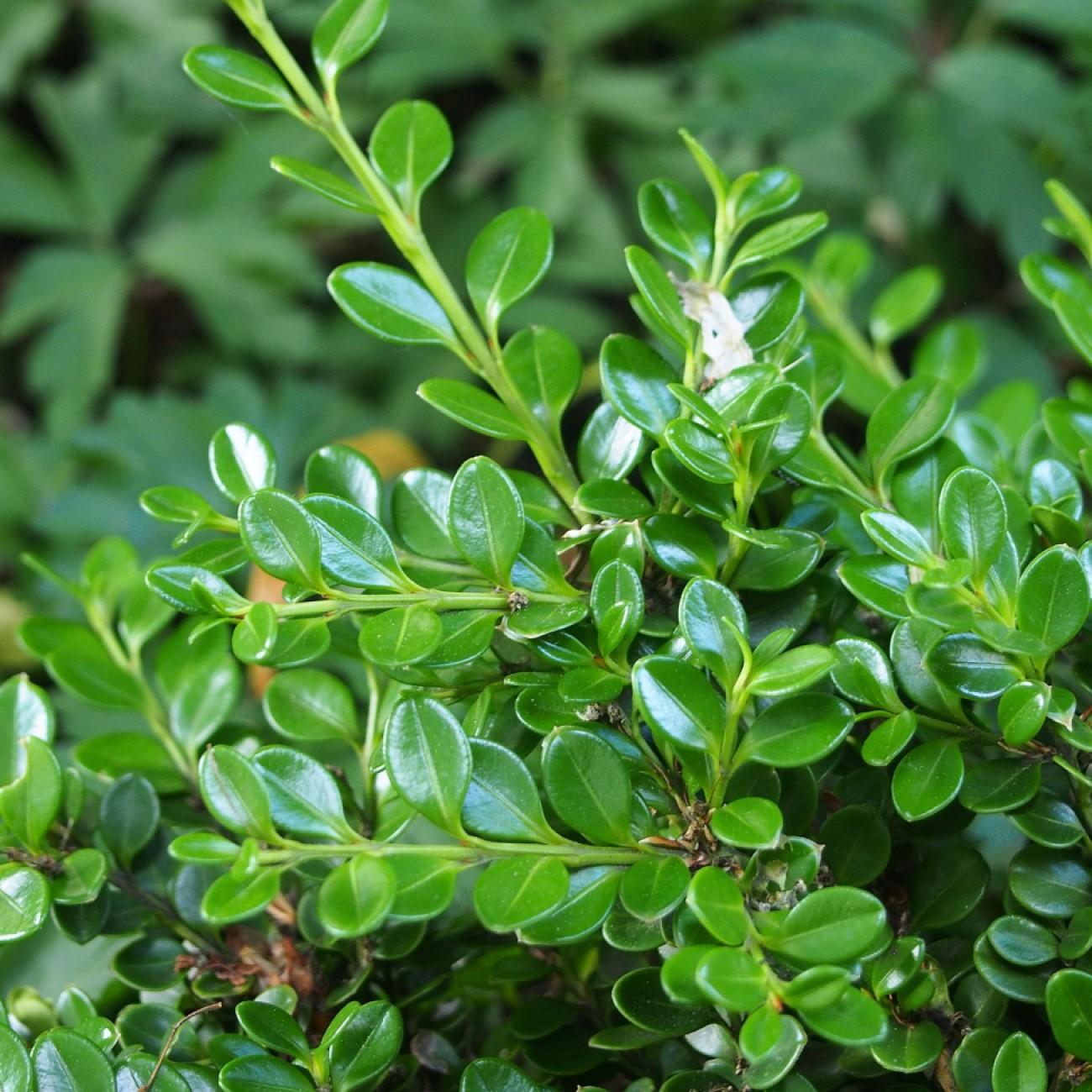
boxwood
Buxus microphylla 'Apple Green'
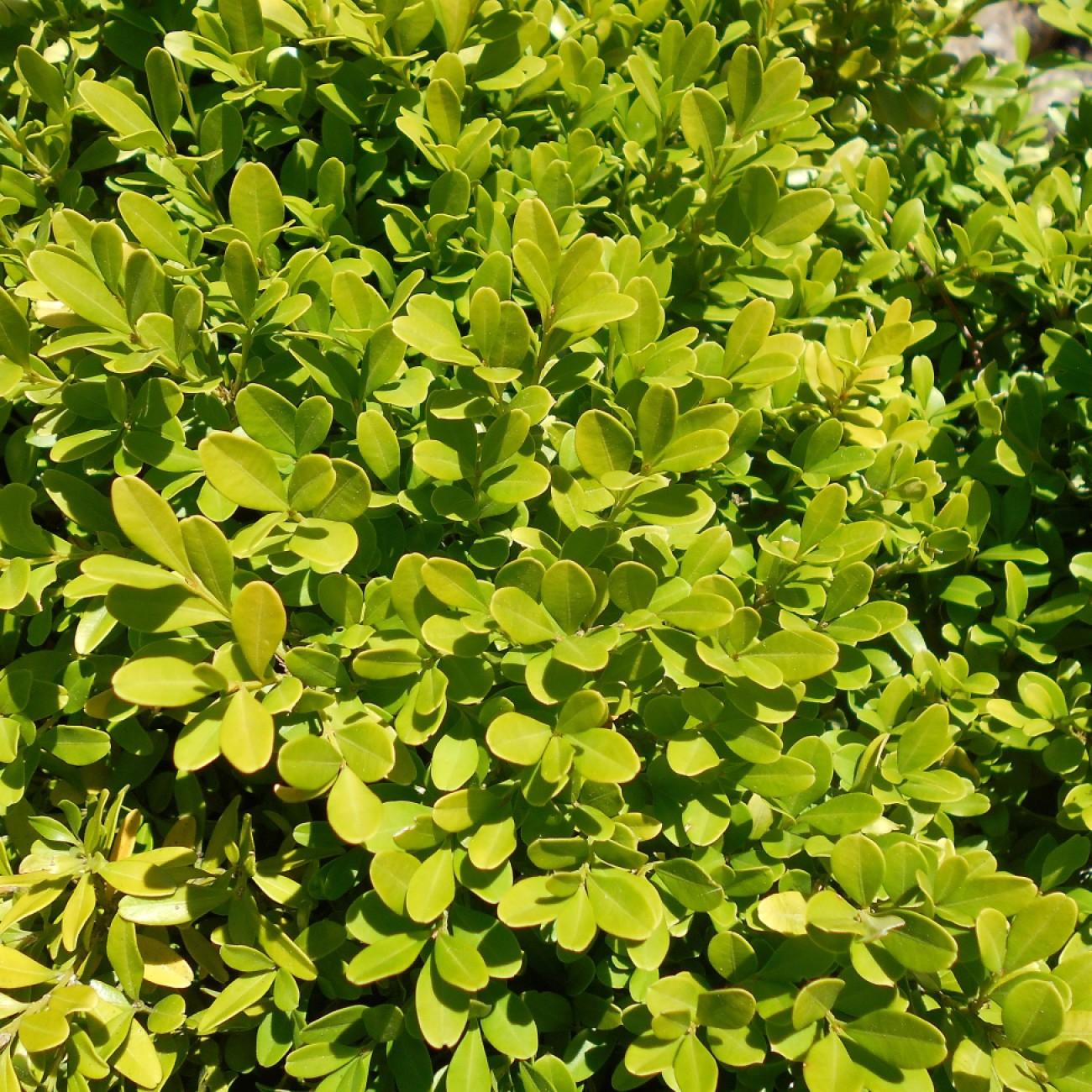
boxwood
Buxus microphylla 'Compacta'
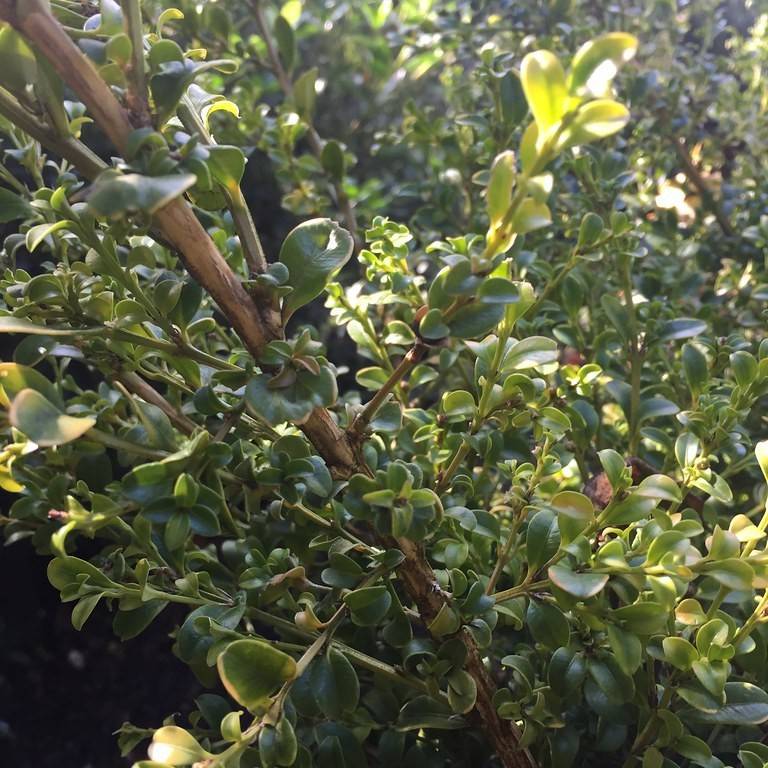
boxwood
Buxus microphylla 'Curly Locks'
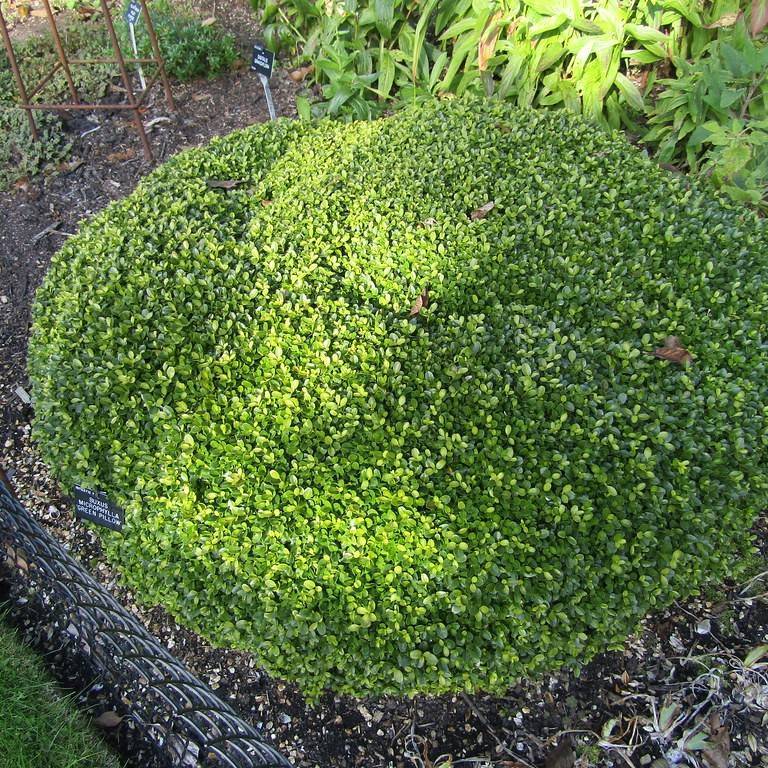
boxwood
Buxus microphylla 'Green Pillow'
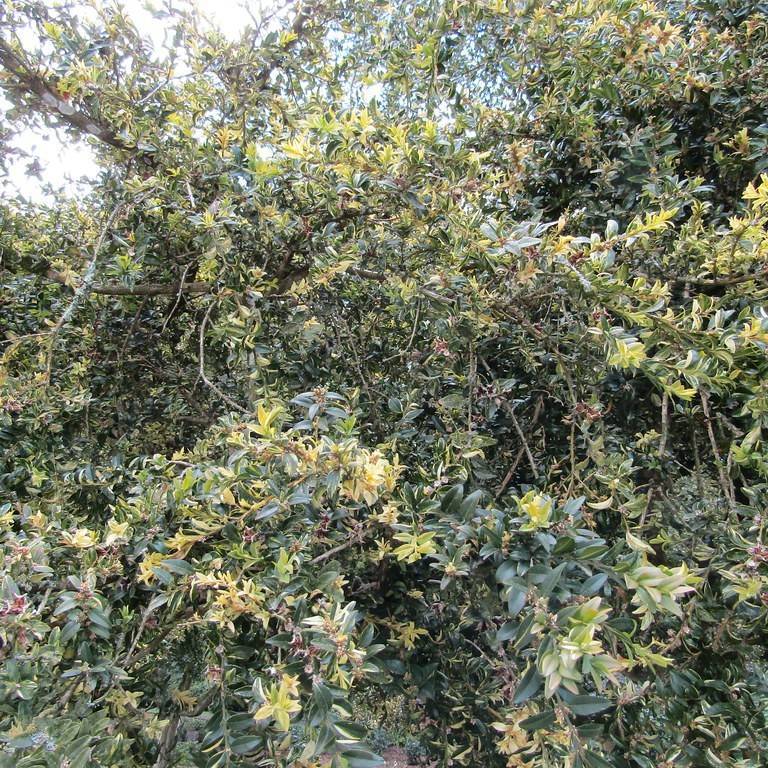
boxwood
Buxus sempervirens 'Aurea Pendula'
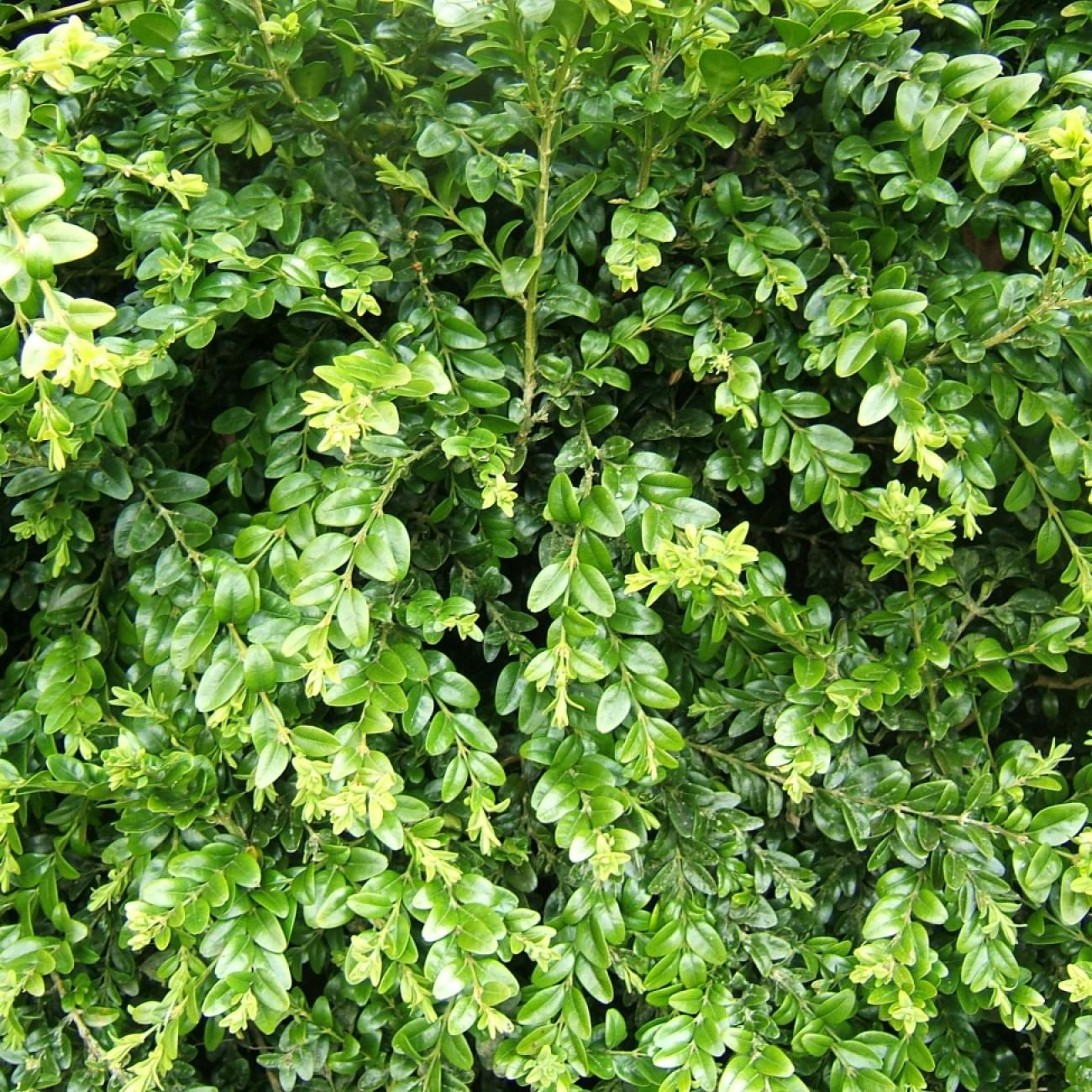
boxwood
Buxus sempervirens 'Chloe'
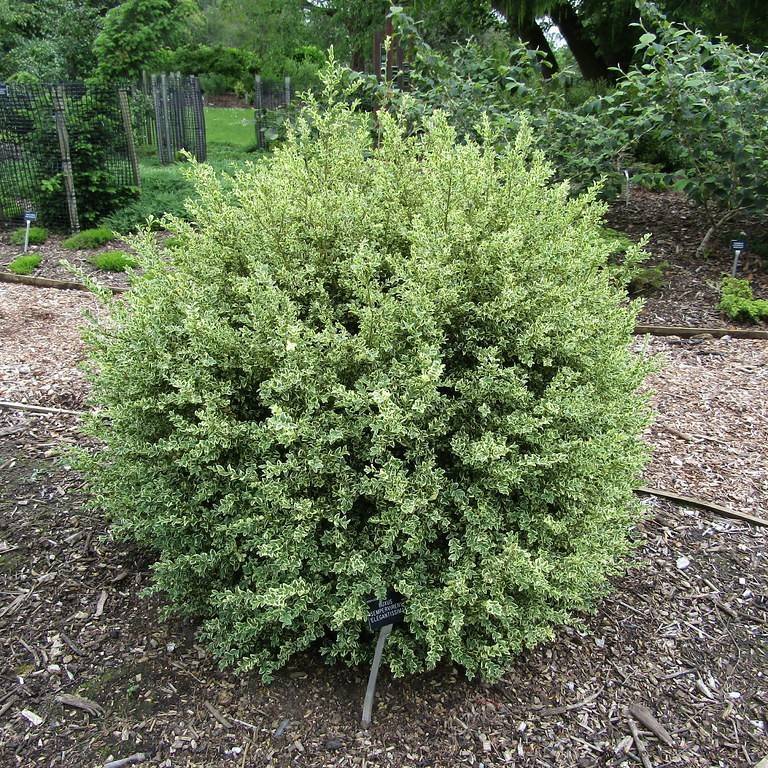
boxwood
Buxus sempervirens 'Elegantissima'
boxwood
Buxus sempervirens 'Flora Place'