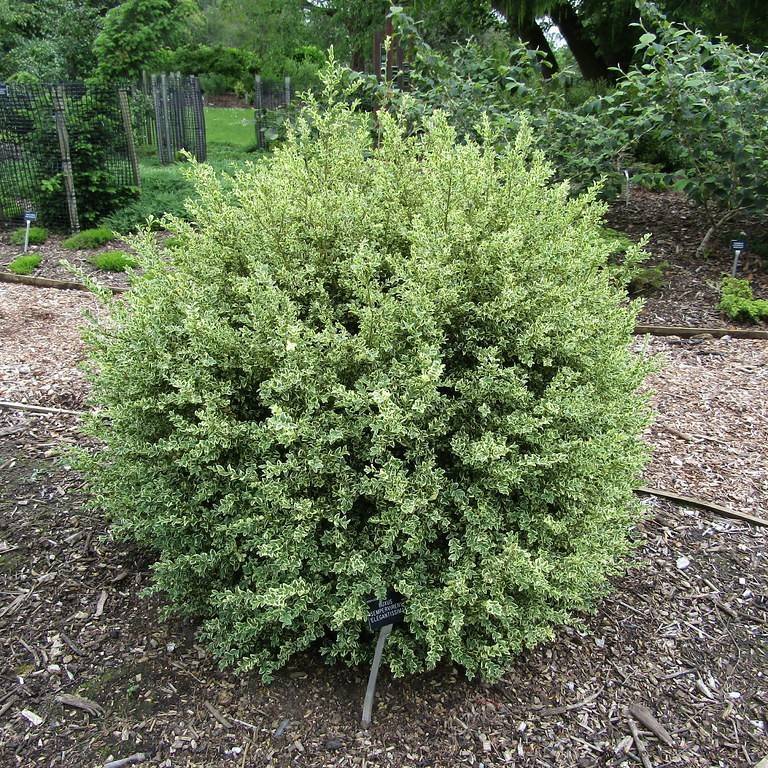
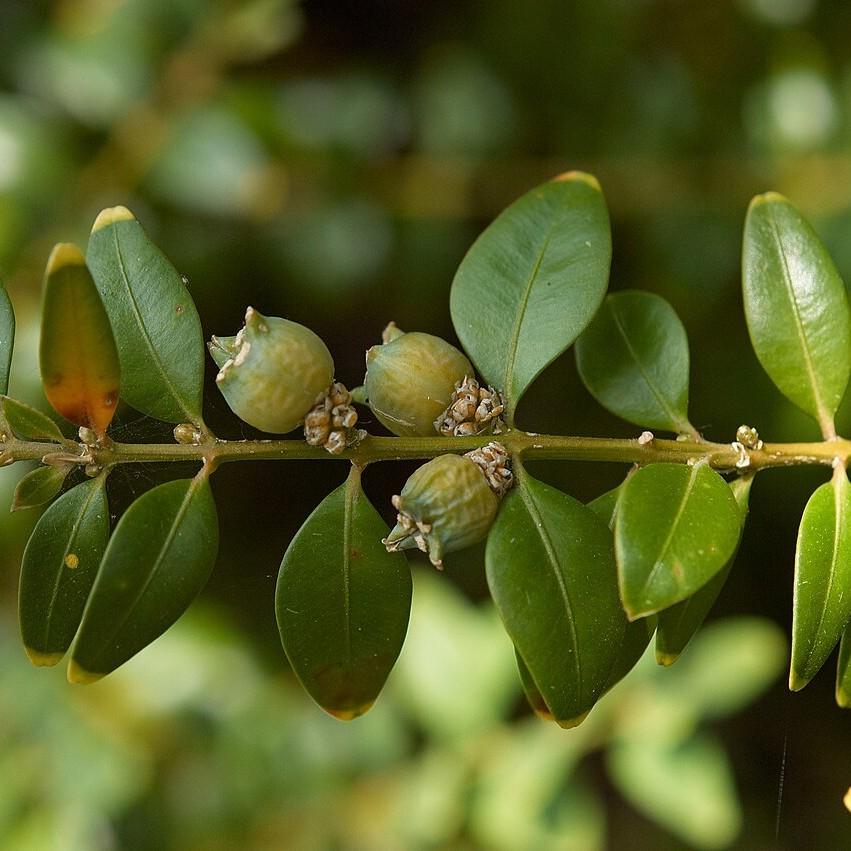
boxwood
Buxus sempervirens 'Elegantissima'
Overview
Boxwood (Buxus sempervirens 'Elegantissima') is an amazing plant species. Its glossy, evergreen foliage adds beauty to any landscape, no matter the climate. In warmer weather, it produces tiny, fragrant yellow blossoms that bees love. It is a hardy bush and requires only small amounts of water and maintenance. Its dense, vibrant foliage can be grown into lovely and intricate shapes, making it a great choice for hedges, topiary, and borders. Boxwood provides year-round color for your garden and is an excellent choice for homeowners looking for a low-maintenance, eye-catching addition to their landscaping.
Care Guide
Watering
Boxwood (Buxus sempervirens 'Elegantissima') should be watered about once a week, as it is a slow-growing, drought-tolerant plant. It is important to provide deep and thorough watering that completely saturates the soil and encourages deep root growth. When watering, use a hose or watering can and water slowly and deeply until water is seen draining out of the bottom of the pot. It may be necessary to water more often during hot, dry weather. In winter months, the plant can go without watering for longer periods of time, as it is not actively growing during these months.
Light
Boxwood (Buxus sempervirens 'Elegantissima') does best when situated in a location that receives full sunlight during most of the day. Ideally, boxwood should receive at least 4 to 6 hours of direct sunlight each day during the summer season. During the winter season, however, it is best to reduce the amount of direct sunlight that the plant receives to 2 to 4 hours each day. The sunlight should also be diffused, meaning that it should not be overly harsh and direct. It is also important to note that while boxwood can tolerate some shade, it does best when it receives the full sunlight that it needs.
Soil
Alkaline, Well-drained
Temperature
Hardiness zone 5–8.
Pruning
Boxwood (Buxus sempervirens 'Elegantissima') requires pruning once a year in late winter to shape and maintain its form. The pruning should be made just before the new growth begins, so usually late February or early March is most suitable. Pruning boxwood should be done to keep its density and size in check, and to clean out any dead branches. Typically, pruning should remove 10-15% of the plant to avoid damaging the plant and remove up to a third of the leaf tips in order to raise the desired shape. If any branches need to be removed, make sure any pruning cuts are made cleanly and close to the trunk. The tips of any new shoots should also be pruned to encourage a bushy, full growth.
Propagation
Greenwood Cuttings, Grafting Propagation
Diseases & Pests
Common pests: Dieback, Leaf miner insect, Whitefly, psyllids, Disease resistant, Deer resistant, Rabbit resistant, Drought resistant .
Related plants
Other plants you might like if you grow boxwood.
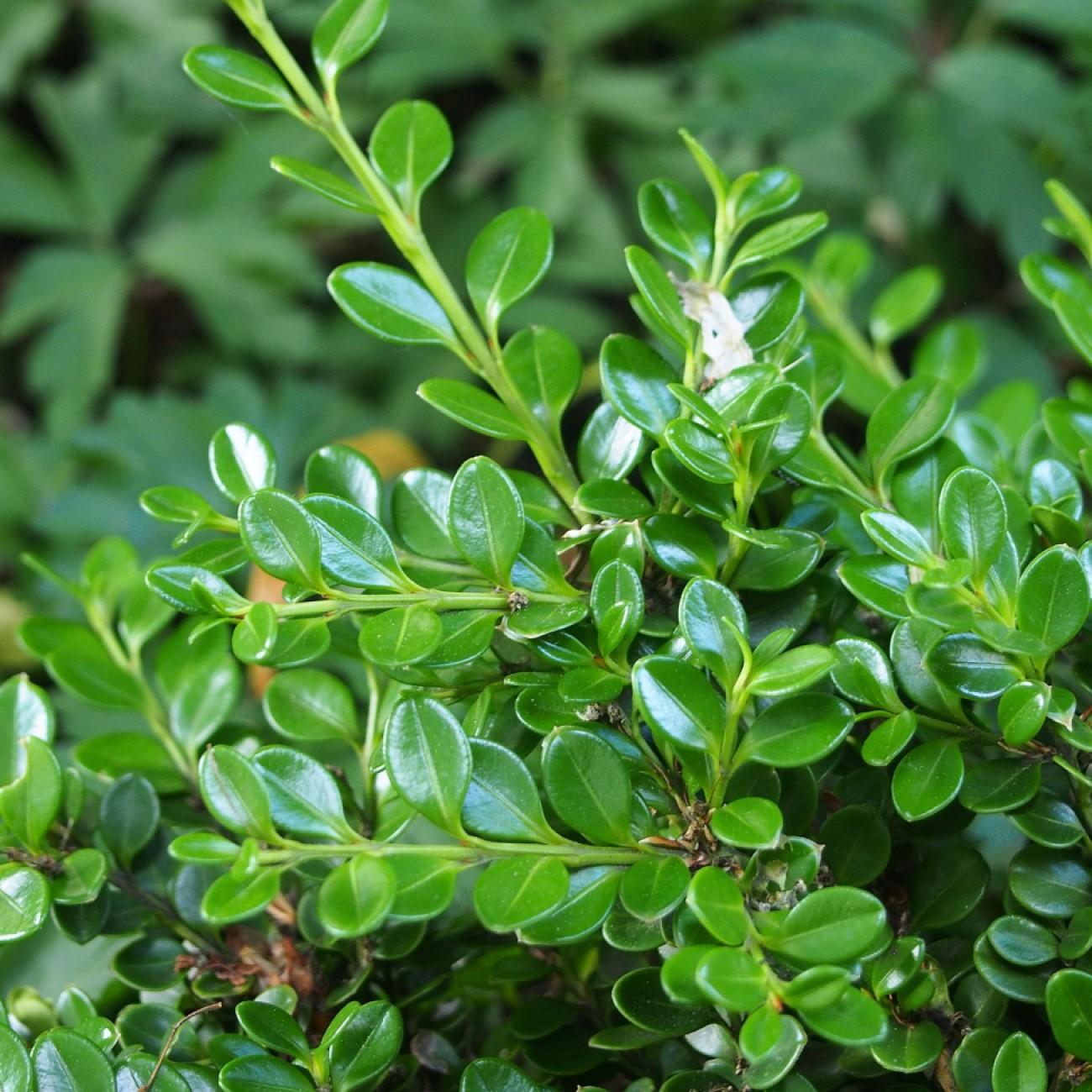
boxwood
Buxus microphylla 'Apple Green'
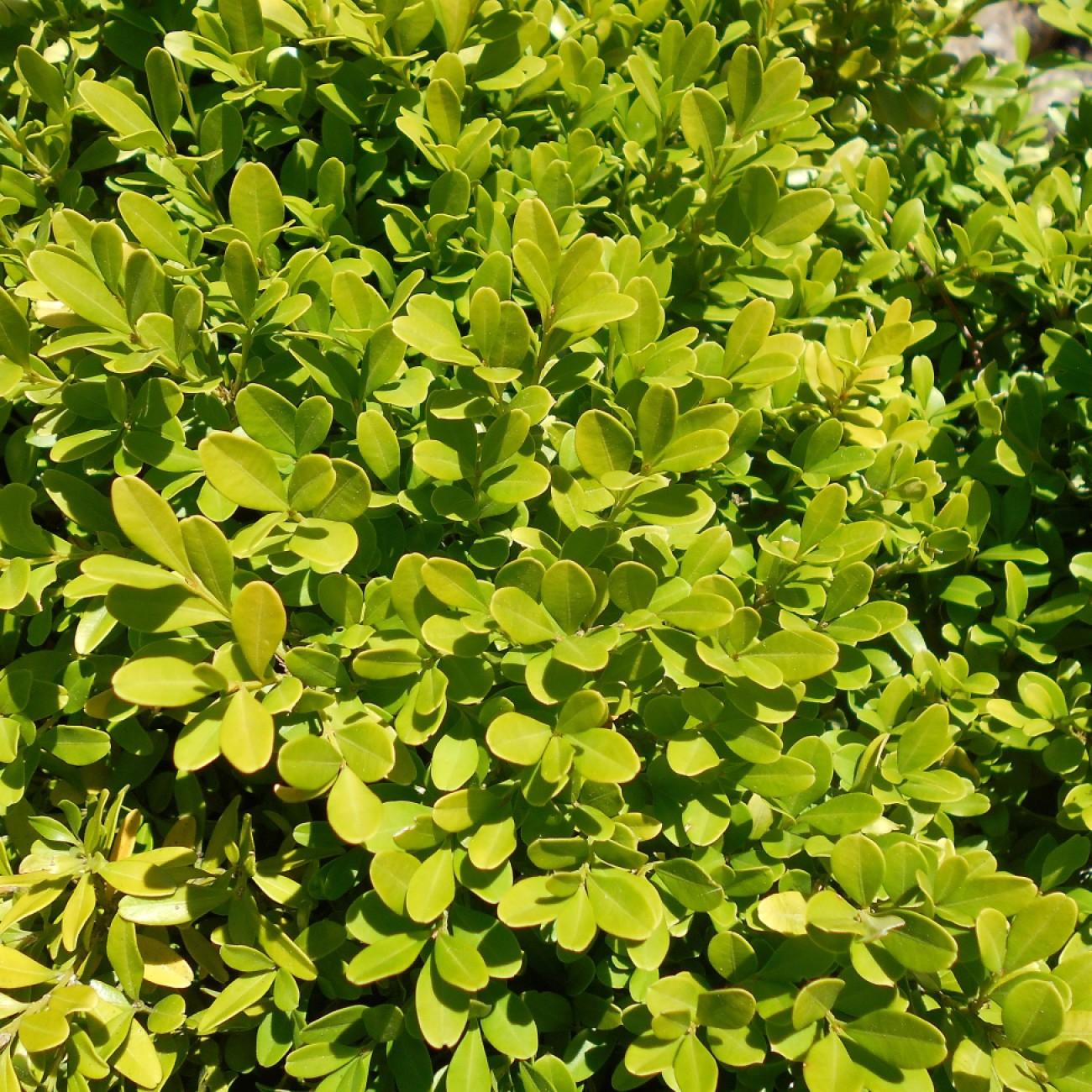
boxwood
Buxus microphylla 'Compacta'
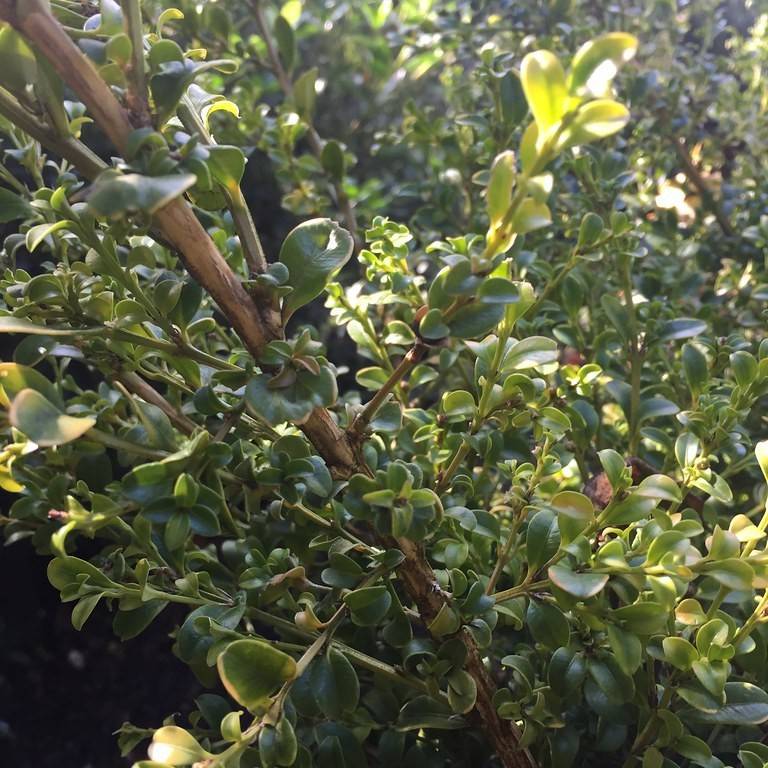
boxwood
Buxus microphylla 'Curly Locks'
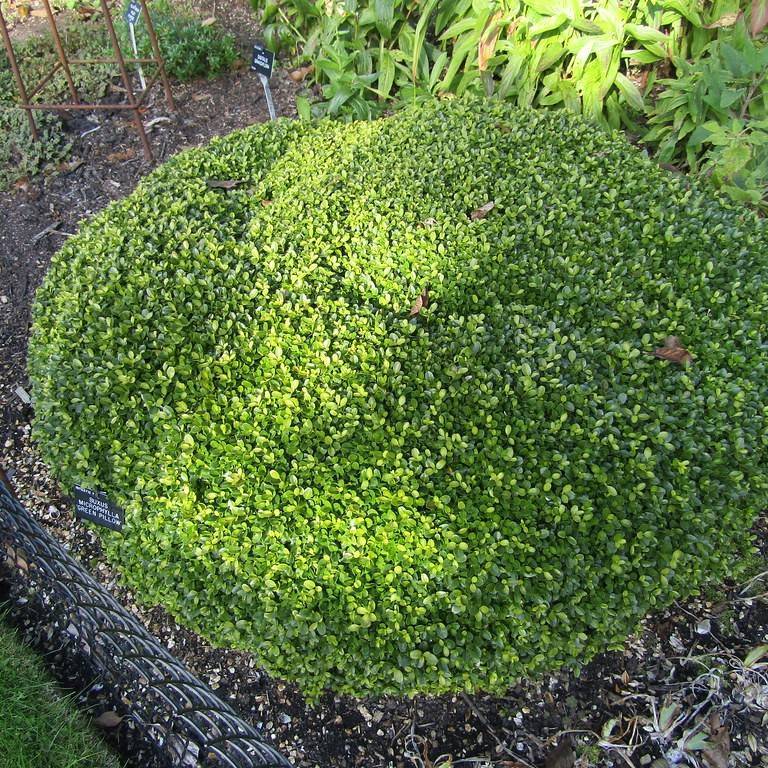
boxwood
Buxus microphylla 'Green Pillow'
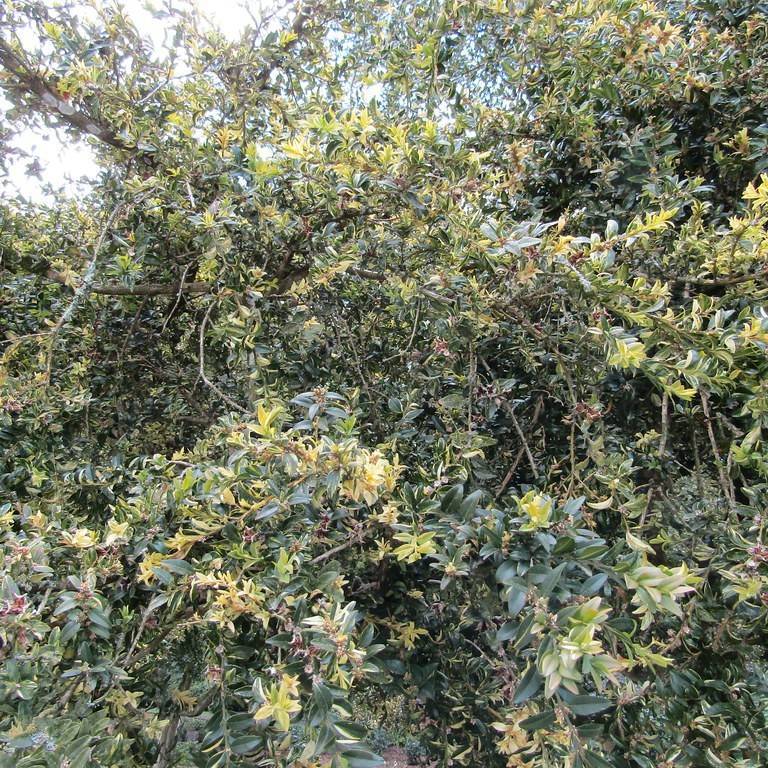
boxwood
Buxus sempervirens 'Aurea Pendula'
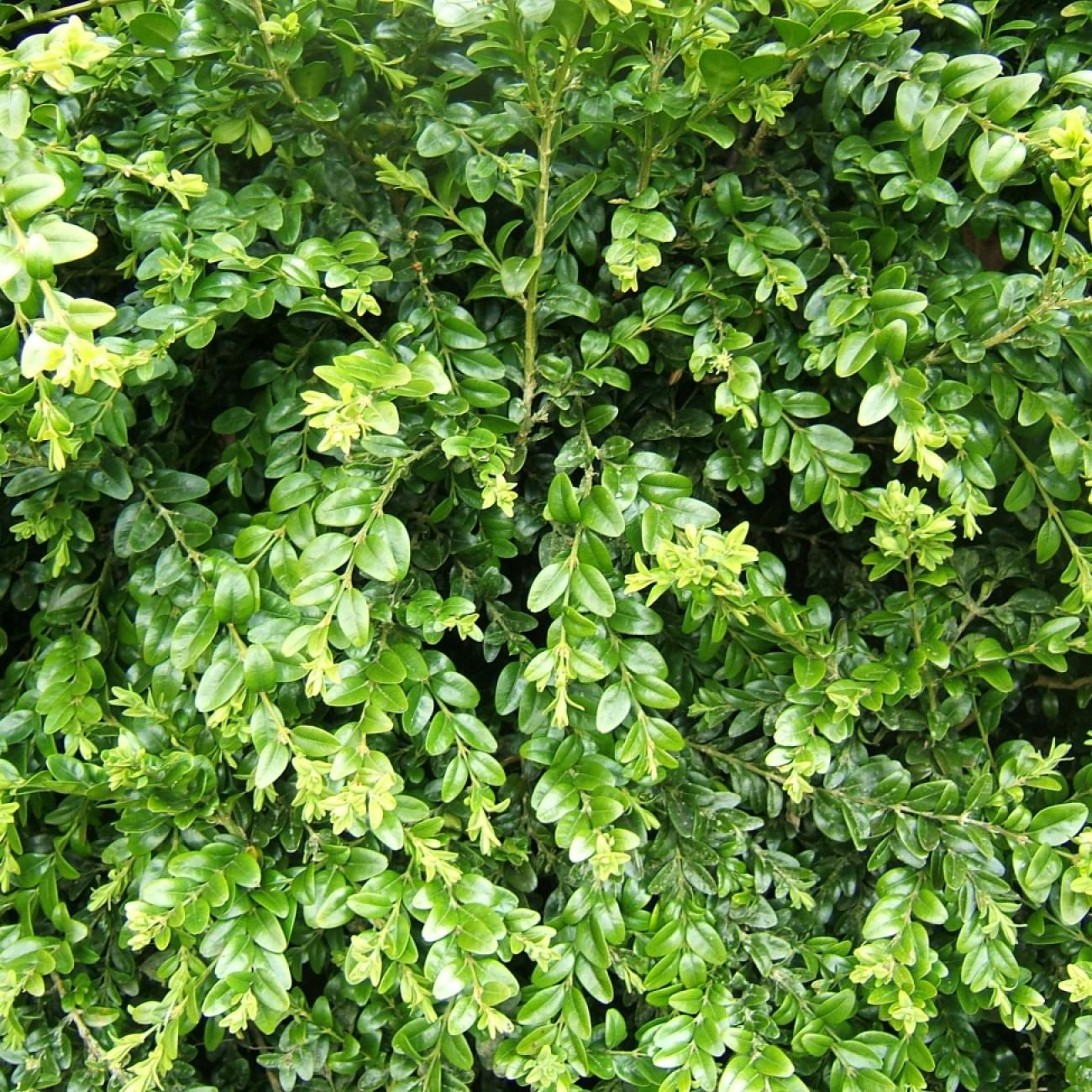
boxwood
Buxus sempervirens 'Chloe'
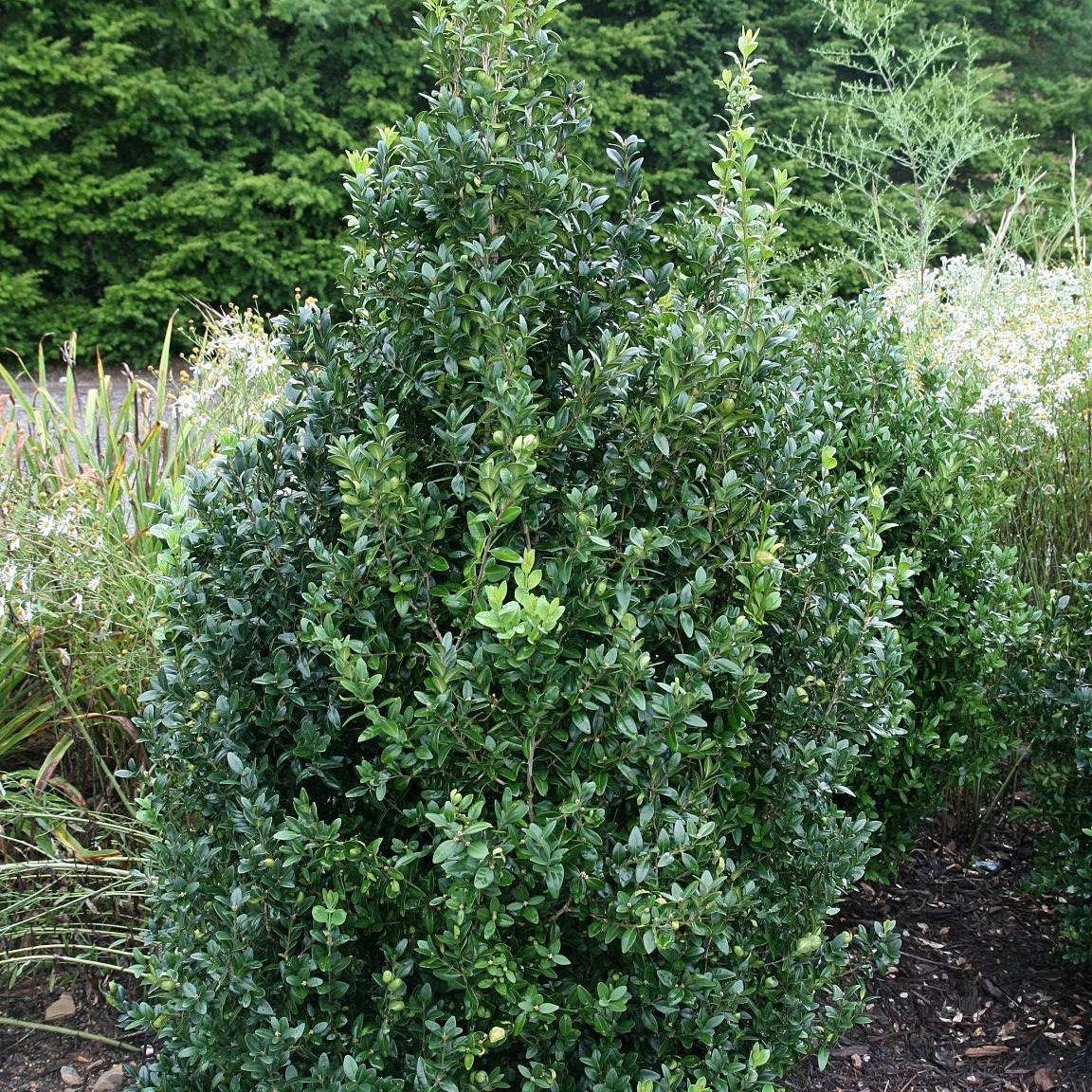
boxwood
Buxus sempervirens 'Fastigiata'
boxwood
Buxus sempervirens 'Flora Place'