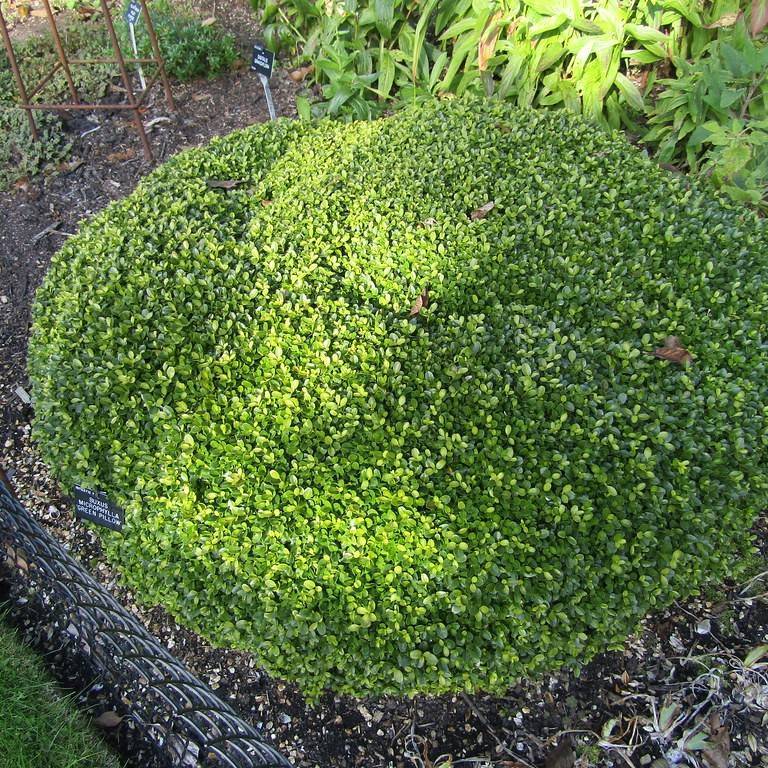
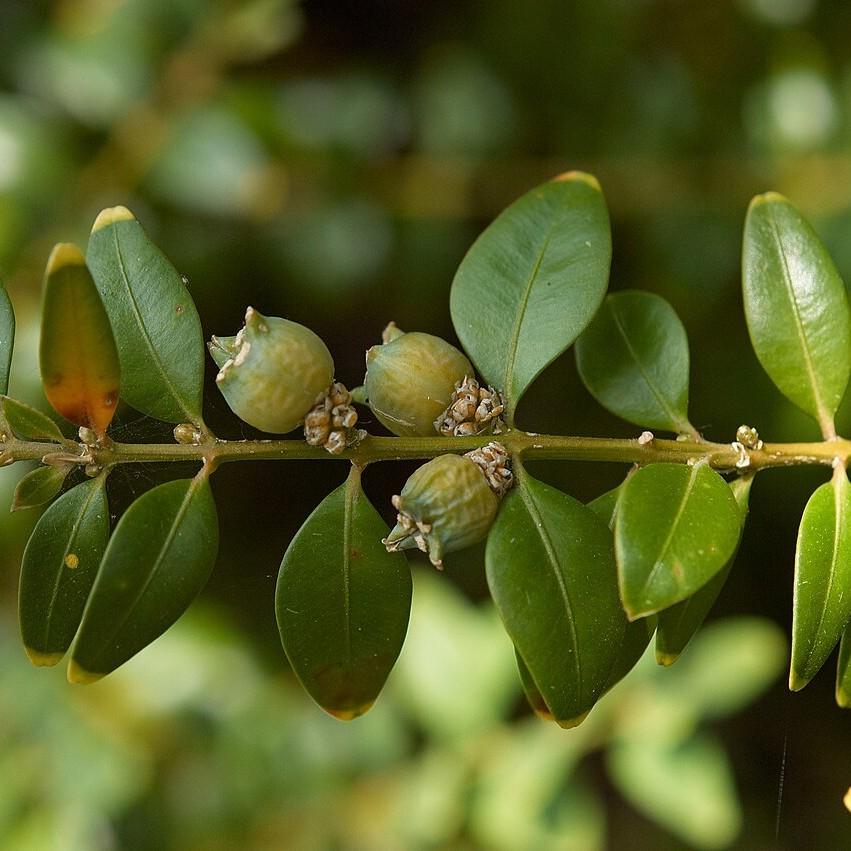
boxwood
Buxus microphylla 'Green Pillow'
Overview
Boxwood (Buxus microphylla 'Green Pillow') is an amazing plant species with a dense, compact moss-like foliage, mounding growth habit, and bright green color. Ideal for an evergreen hedge, topiary, or container gardening, its slow growth rate and low-maintenance water needs make it an ideal choice for gardeners who want a consistent, attractive landscape feature. The plant's ability to adapt to a variety of soil and light conditions ensures it will thrive in almost any outdoor space. It's an excellent choice for both formal and informal gardens, offering a touch of elegance wherever it's planted.
Care Guide
Watering
Water 'Green Pillow' boxwood when the soil feels dry to the touch, usually every 7 to 10 days. You can check the soil by sticking your finger about 2 inches down into it. If it's damp, wait a few days before watering again. The amount of water you should apply will vary depending on the size of the plant, the temperature outside, and the amount of sun and wind it is exposed to. Generally, soak the ground until the water starts to seep into the ground 1 to 2 feet away from the plant. Letting the water run slowly over the foliage for a few minutes is also beneficial.
Light
Boxwood (Buxus microphylla 'Green Pillow') is a plant species that generally grows best in full, direct sunlight. It requires 6 to 8 hours of sunlight each day, ideally during the morning or the early afternoon when the sun is not at its hottest. To keep the plant from drying out too quickly, indirect sunlight or filtered sunlight is also acceptable. Morning sunlight should be avoided as it can cause sunburn on tender young foliage. Planting in the shade will result in fewer flowers and less vigorous growth.
Soil
Well-drained
Temperature
Hardiness zone 6–9.
Pruning
For boxwood (Buxus microphylla 'Green Pillow') pruning, it should be done in late winter or early spring. Prune lightly, removing no more than 1-third of the total growth. This will help ensure more compact growth and a healthy plant. Be sure to use sharp, clean pruning tools and make clean, flat-topped cuts. Avoid over-pruning, as this can stress the plant and damage its appearance. Always remove dead, diseased, or crossing branches as you prune.
Propagation
Cutting, Layering Propagation, Grafting Propagation, Division, Seed Propagation
Diseases & Pests
Common pests: Pest resistant, Disease resistant, Deer resistant, Rabbit resistant, Drought resistant.
Related plants
Other plants you might like if you grow boxwood.
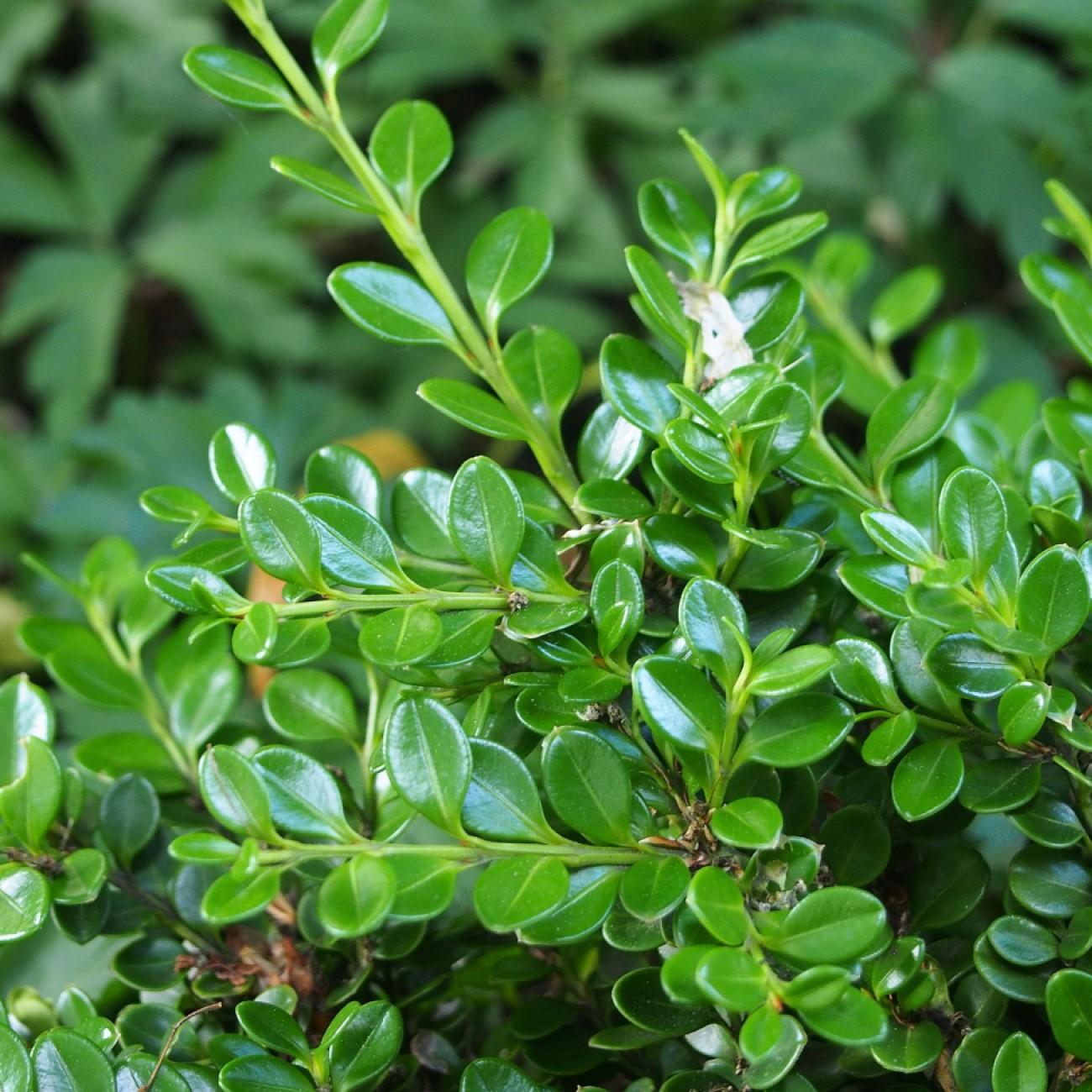
boxwood
Buxus microphylla 'Apple Green'
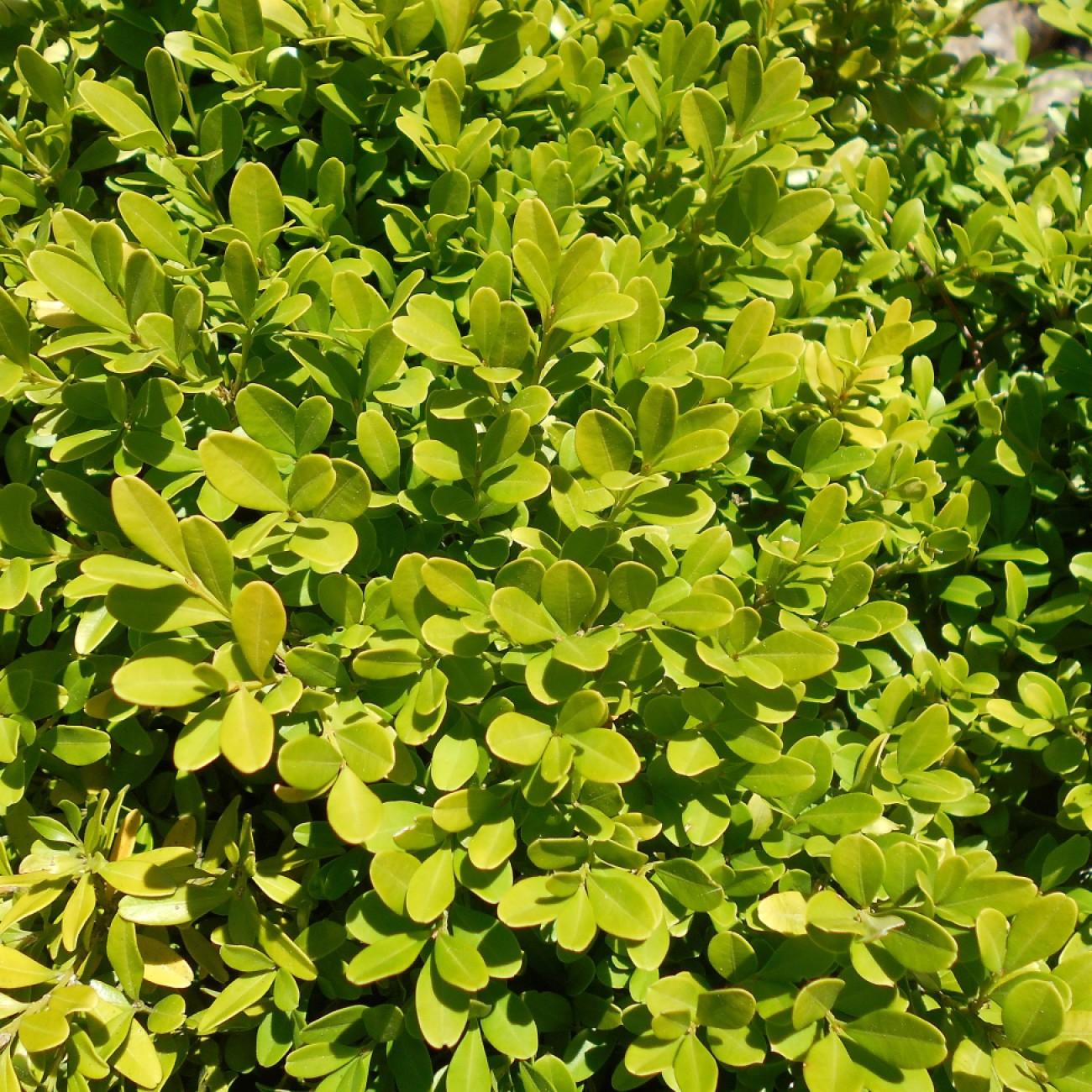
boxwood
Buxus microphylla 'Compacta'
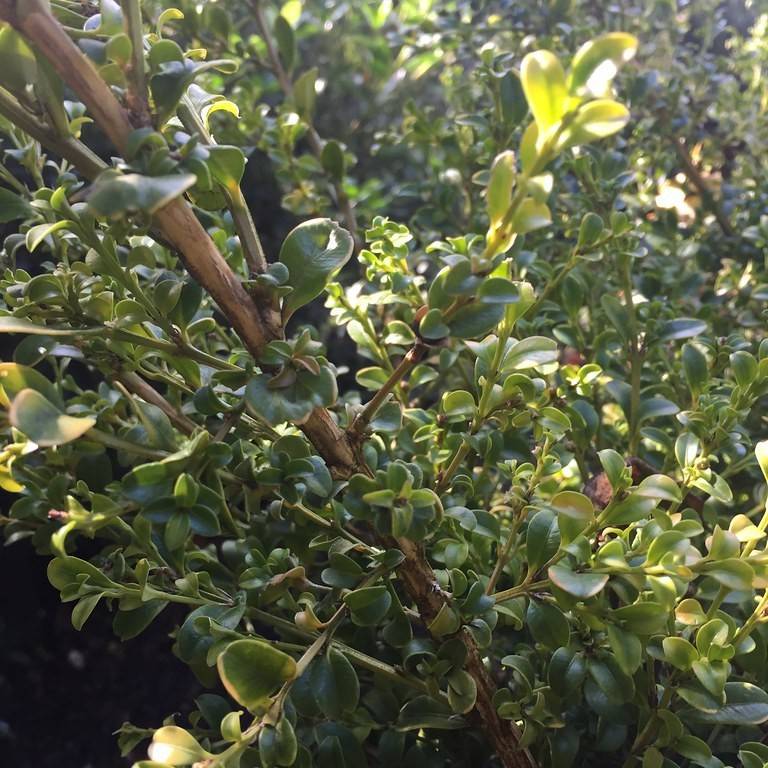
boxwood
Buxus microphylla 'Curly Locks'
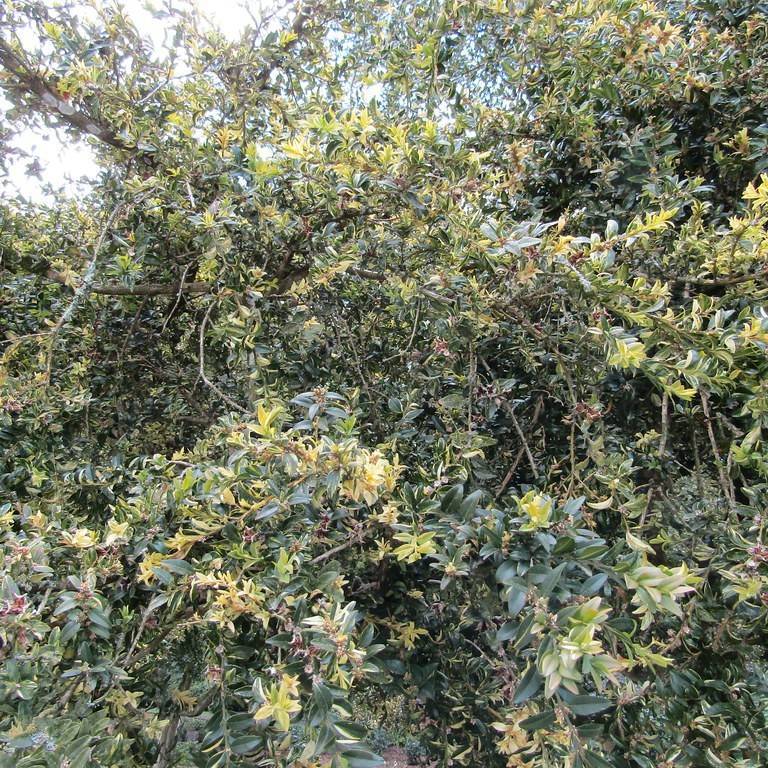
boxwood
Buxus sempervirens 'Aurea Pendula'
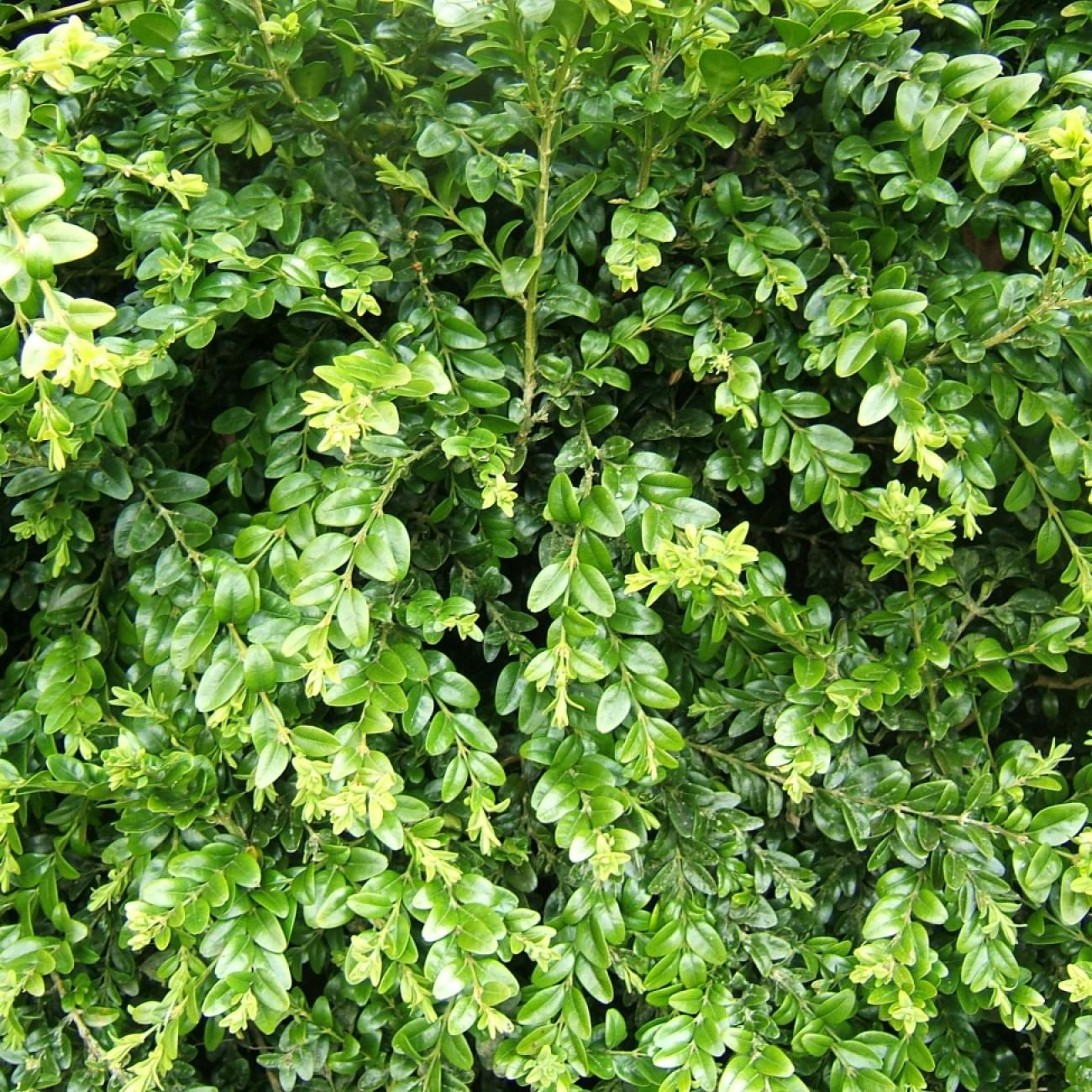
boxwood
Buxus sempervirens 'Chloe'
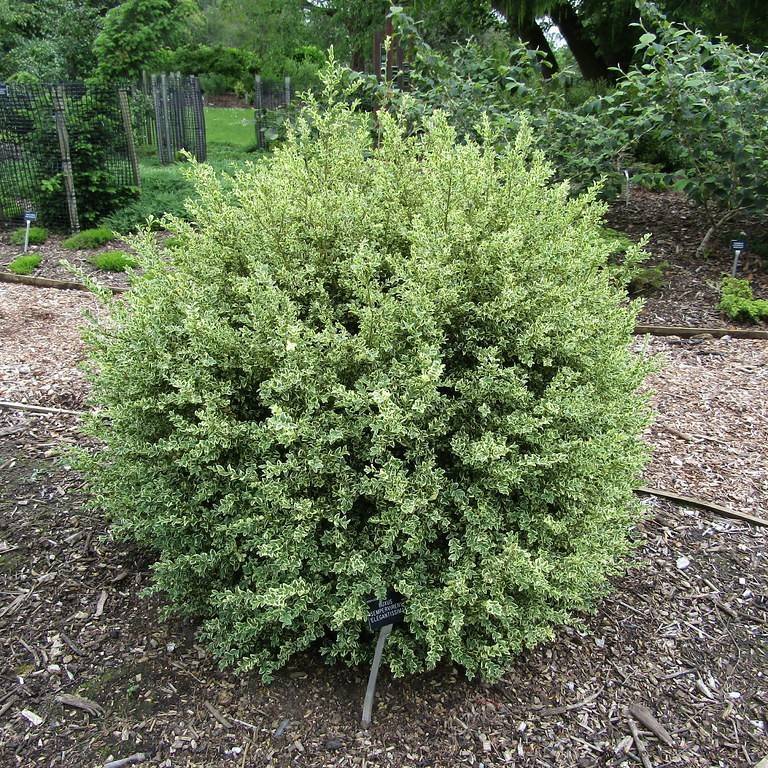
boxwood
Buxus sempervirens 'Elegantissima'
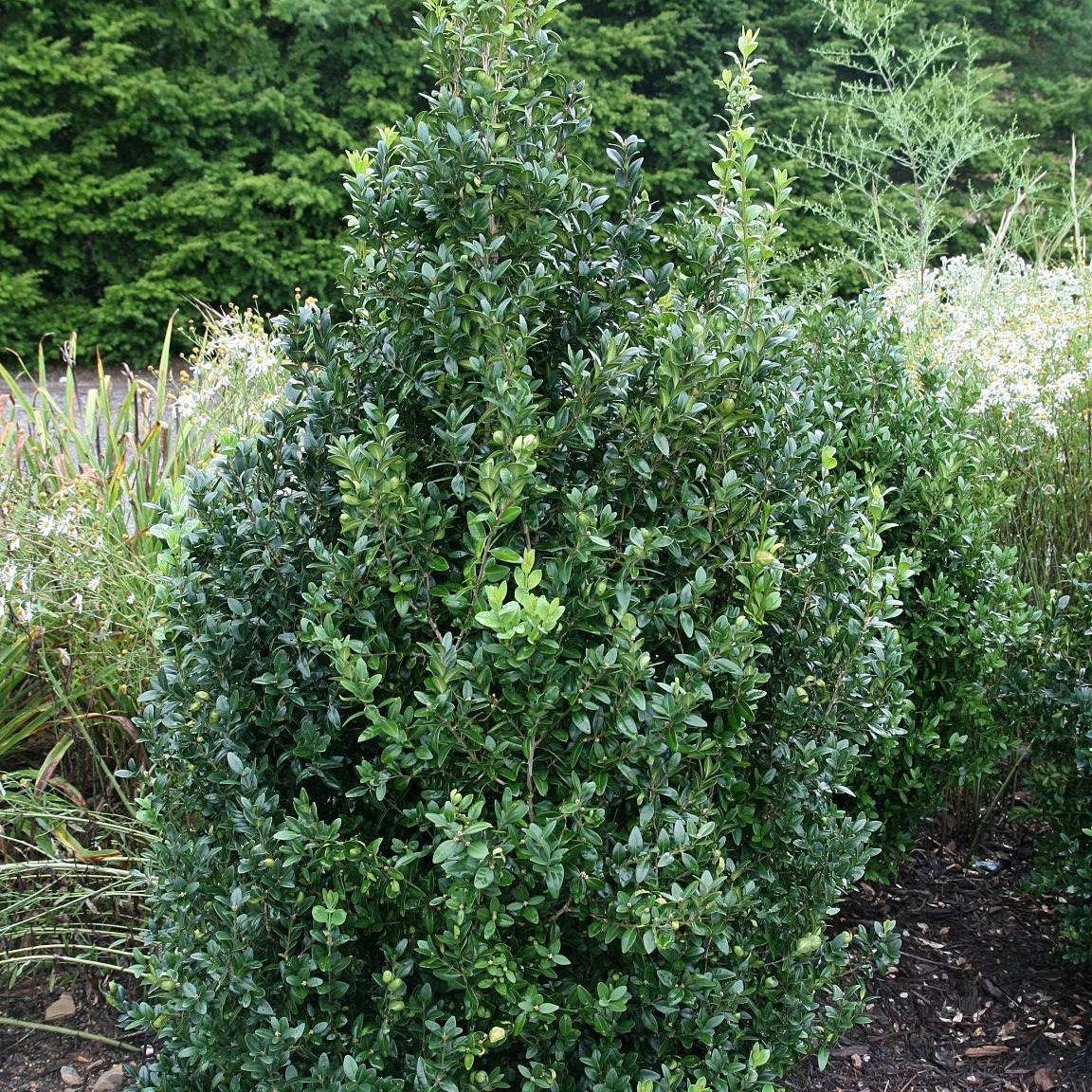
boxwood
Buxus sempervirens 'Fastigiata'
boxwood
Buxus sempervirens 'Flora Place'