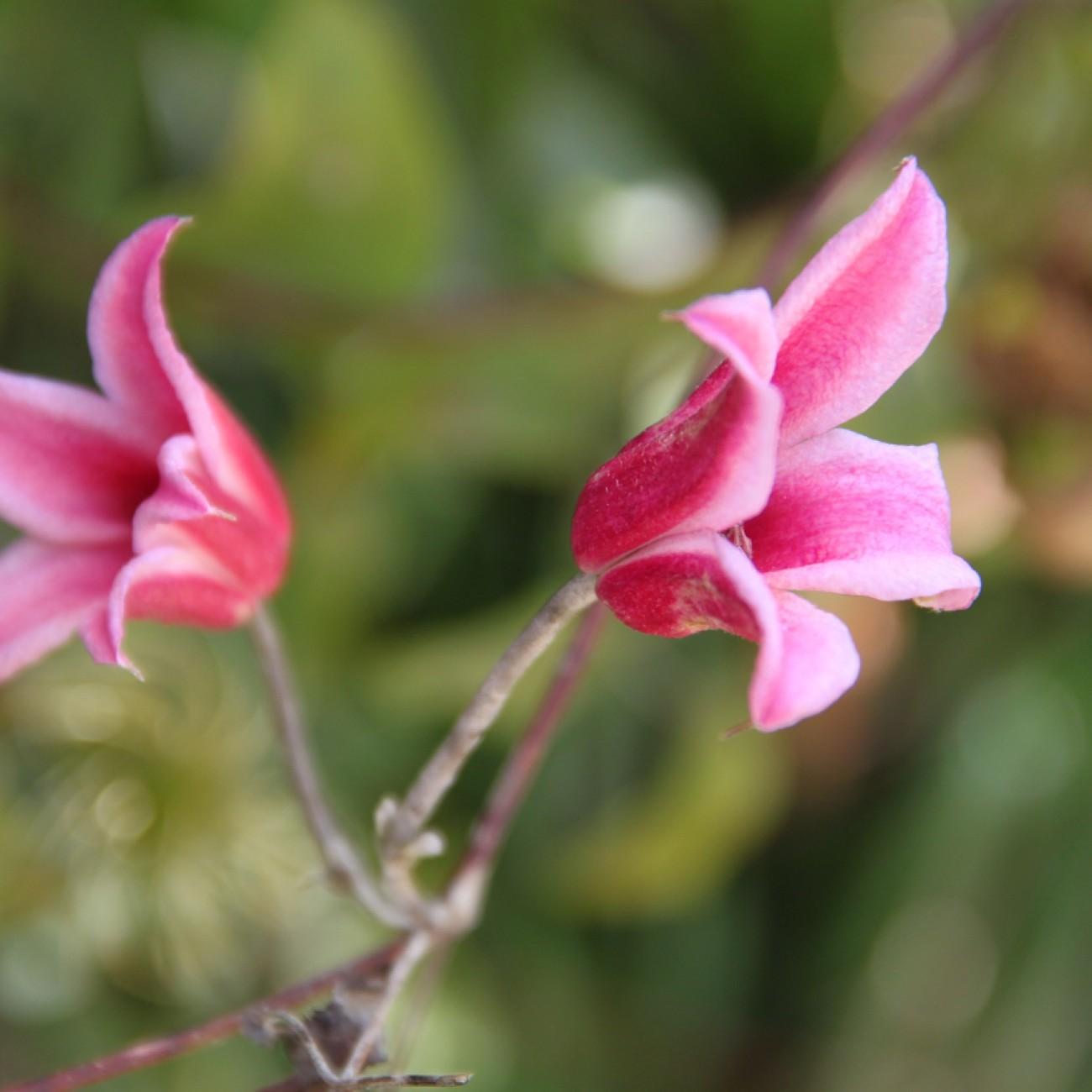
clematis
Clematis 'Duchess of Albany'
Overview
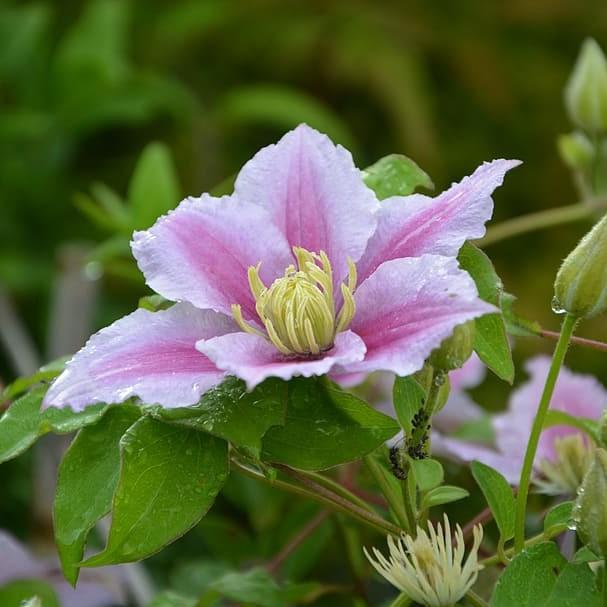
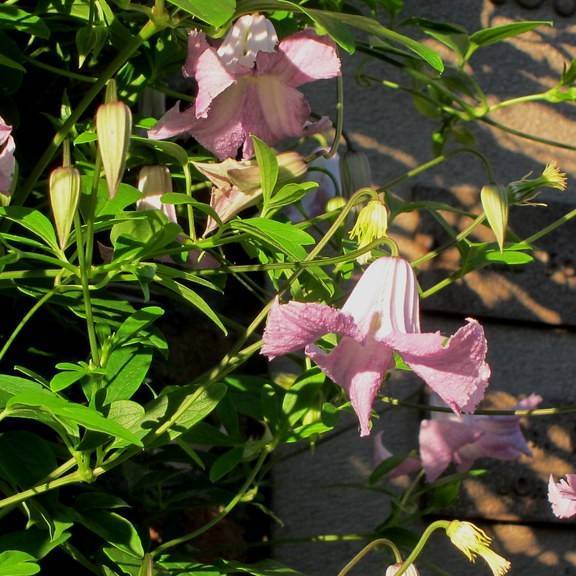
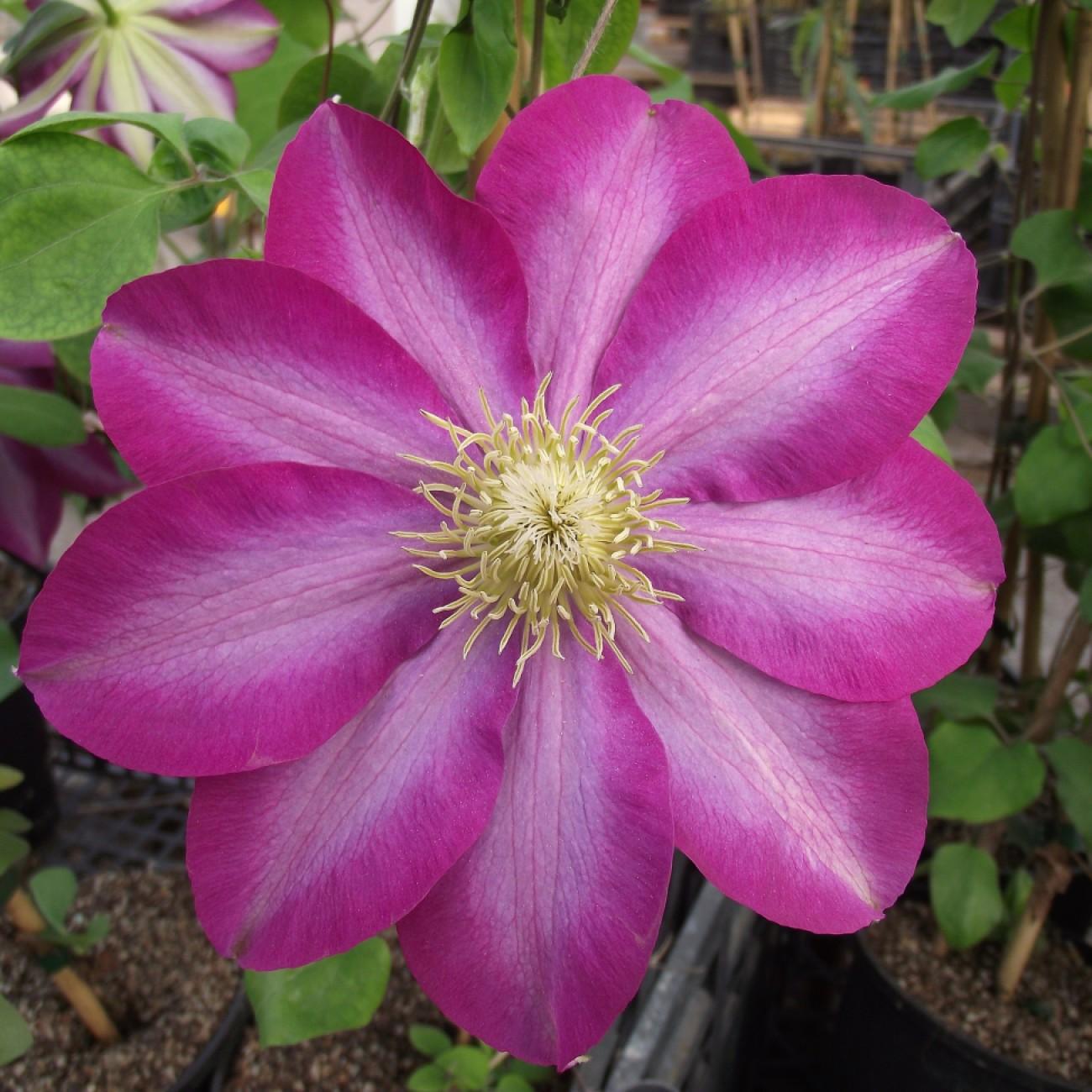
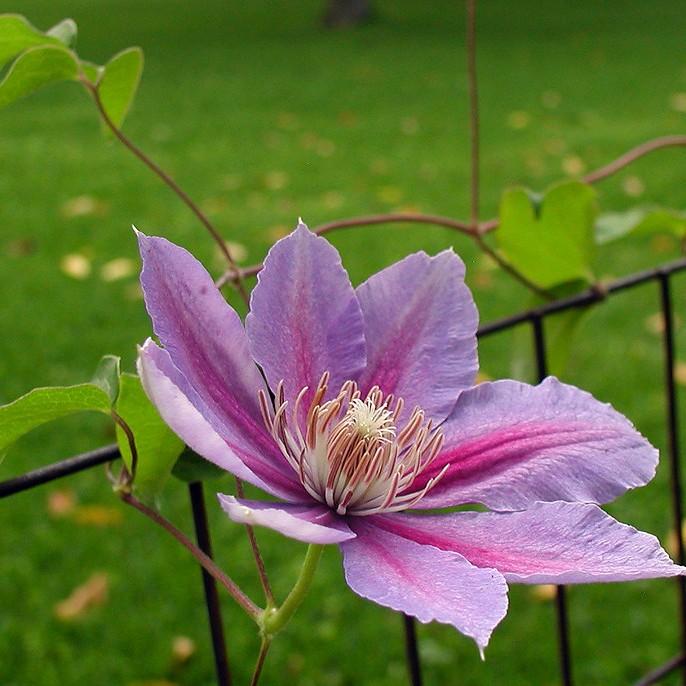
The Clematis 'Duchess of Albany' is an amazing climbing plant that will bring vivid colors to your garden. With its dazzling mauve-pink flowers blooming in early summer and its deep, dark green foliage, it's a stunning plant for any garden. It produces an abundance of glorious, long-lasting flowers that cover an arbor, pergola, or trellis with an explosion of color. It can also be planted in containers or used as a groundcover. This versatile and hardy plant brings life to any landscape and requires little maintenance. Even more, its fragrant flowers attract birds and butterflies which add to the overall ambiance of the garden.
Care Guide
Watering
This stunning clematis species (Clematis 'Duchess of Albany') should be watered weekly in the summer months, increasing to twice per week if the weather is particularly hot or dry. Be sure to water the soil deeply so that the roots can access the moisture, rather than just lightly sprinkling near the surface. In the winter months, reduce watering to once per month or even less. It should not be watered if the ground is frozen or if the temperatures have recently dropped sharply. To check for dryness, simply push your finger into the soil. If it’s dry, it’s time to give it a drink!
Light
Clematis 'Duchess of Albany' requires approximately 6 hours of indirect sunlight per day. Full sun is not recommended as this may cause the foliage to yellow, but too little light can result in fewer and smaller blooms. The best location to plant this species is in a location that receives morning sun. This allows the vine to benefit from the morning rays while avoiding the afternoon heat of the day.
Temperature
Hardiness zone 4–8.
Pruning
Clematis 'Duchess of Albany' should be pruned once a year in late winter or early spring, just before new growth begins. Beginning a few inches above the soil line, remove any dead or damaged shoots, as well as any thin, spindly stems. Cut back any old, flowering shoots to within a few inches of the main stem. This will help promote the formation of newer, stronger stems. Trim any remaining long stems by a third to encourage branching and the formation of more blooms. However, make sure not to cut back into areas of the plant that contain both old and new stems, as this could cause damage to new growth. Finally, remove any deadhead flowers from the plant in order to encourage continuous blooming throughout the season.
Propagation
Layering Propagation, Cutting, Division, Grafting Propagation
Related plants
Other plants you might like if you grow clematis.