clematis
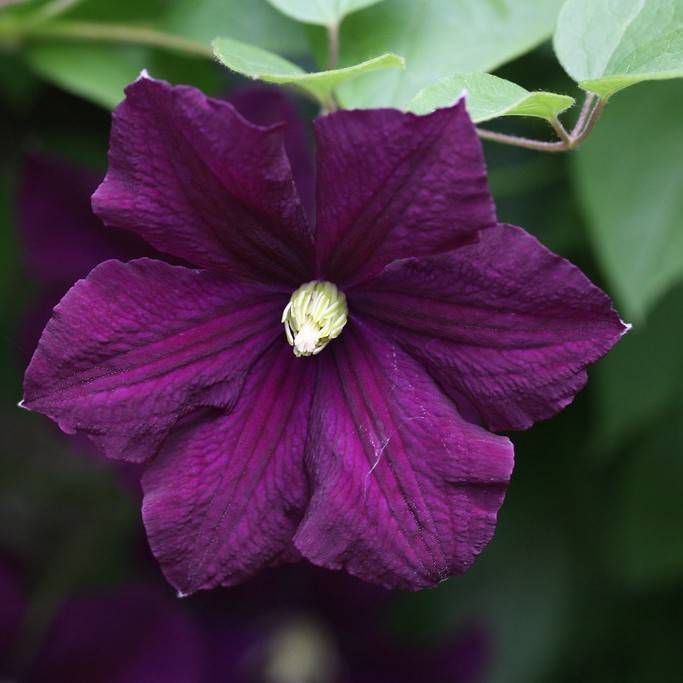
Clematis 'Etoile Violette'
Overview
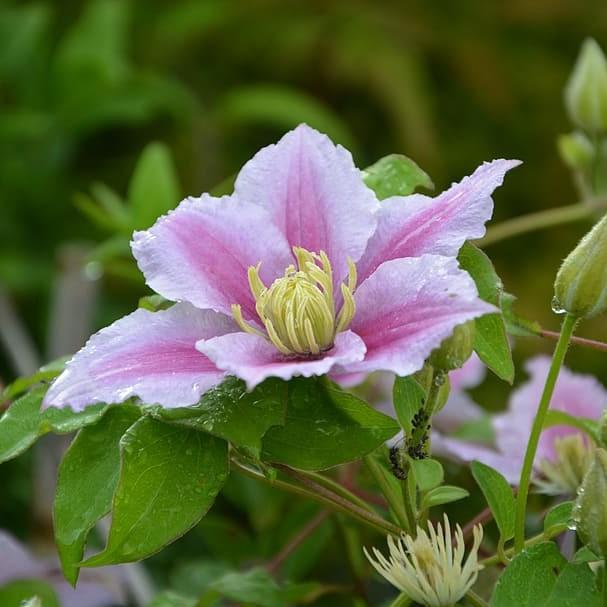
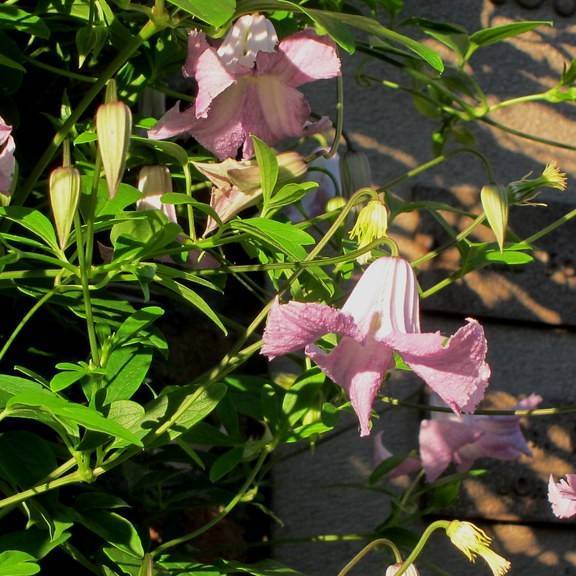
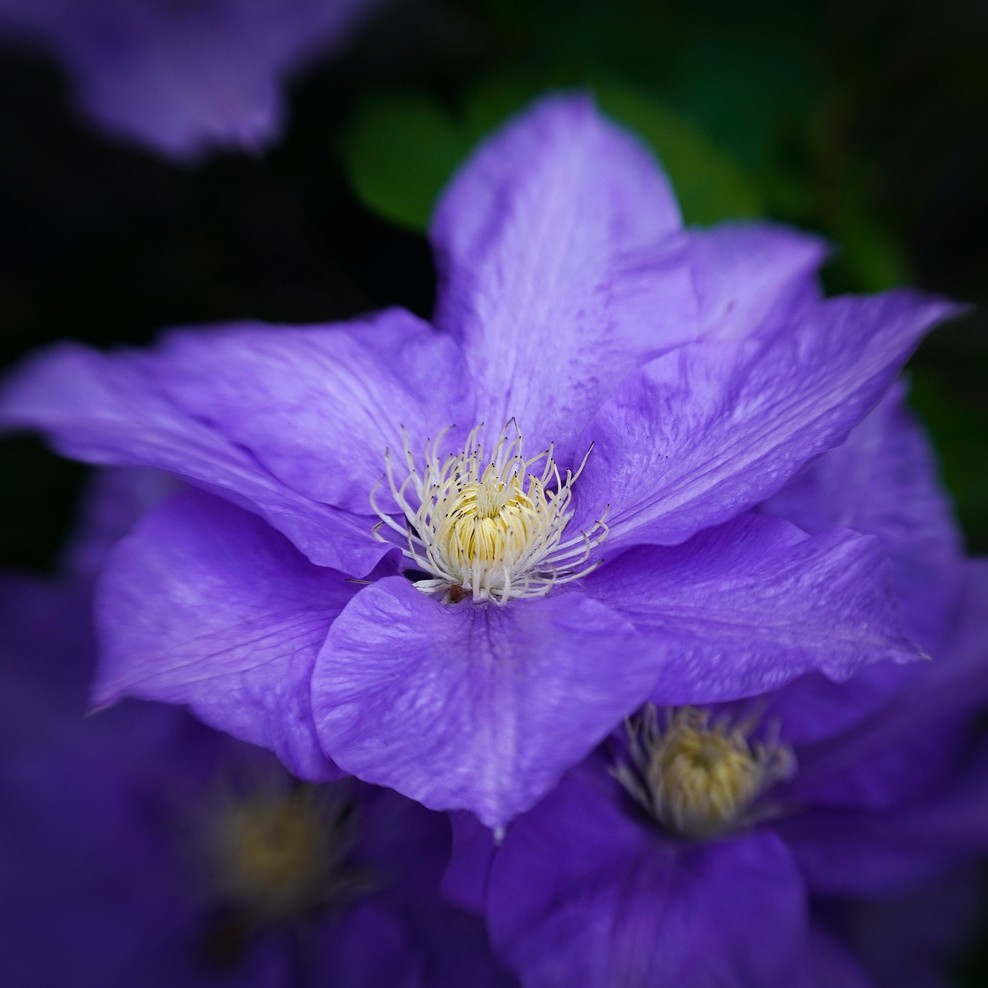
The amazing Clematis 'Etoile Violette' is a stunning sight to behold in the garden. Its darkly mysterious, velvety flowers are gloriously eye-catching in shades of deep violet and mauve, with a fluffy central boss of creamy stamens. What's more, it produces abundant blooms from late spring to mid-summer. Perfect for containers and trellises, it's voraciously vigorous and incredibly hardy, making it a low-maintenance favorite. With its gorgeous flowers, depth of color, and remarkable resilience, Clematis 'Etoile Violette' is truly an unforgettable and incredible plant.
Care Guide
Watering
Water Clematis 'Etoile Violette' approximately every 3 to 4 days in the summer months and once per week in the cooler months. Water deeply, focusing the water at the base of the plant. During extended periods of dry weather you may need to increase regular watering, aiming for moist but not wet soils. Maintaining moist soil is especially important in the early months of spring, to help establish vigorous growth. When the temperatures start to rise in late spring and summer, reduce the amount of watering, especially on established plants. Over-watering can cause root rot.
Light
Clematis 'Etoile Violette' needs full to partial sunlight for ideally 6- 8 hours a day in order to thrive. While it can tolerate partial shade, it will produce more flowers with direct sunlight. This means that it should be placed in a sunny spot that is sheltered from the wind, in order to ensure the best blooms. Additionally, Clematis 'Etoile Violette' should be watered regularly for optimal development.
Temperature
Hardiness zone 4–8.
Pruning
Pruning a Clematis 'Etoile Violette' can help it become a vigorous and well-branched plant. Pruning should be done in early spring, before new growth begins. It is best to prune back vigorous shoots to near ground level. For plants grown in less sheltered areas, the shoots can be pruned hard in late winter, and at least 2-thirds of the top growth can be cut off at the same time. This encourages fewer, but more robust growths for more abundant flowering. Pruning should be done with sharp pruning shears and always cut just above a pair of leaf buds. Dead or damaged stems should be removed as they appear.
Propagation
Layering Propagation, Cutting, Division, Grafting Propagation
Related plants
Other plants you might like if you grow clematis.