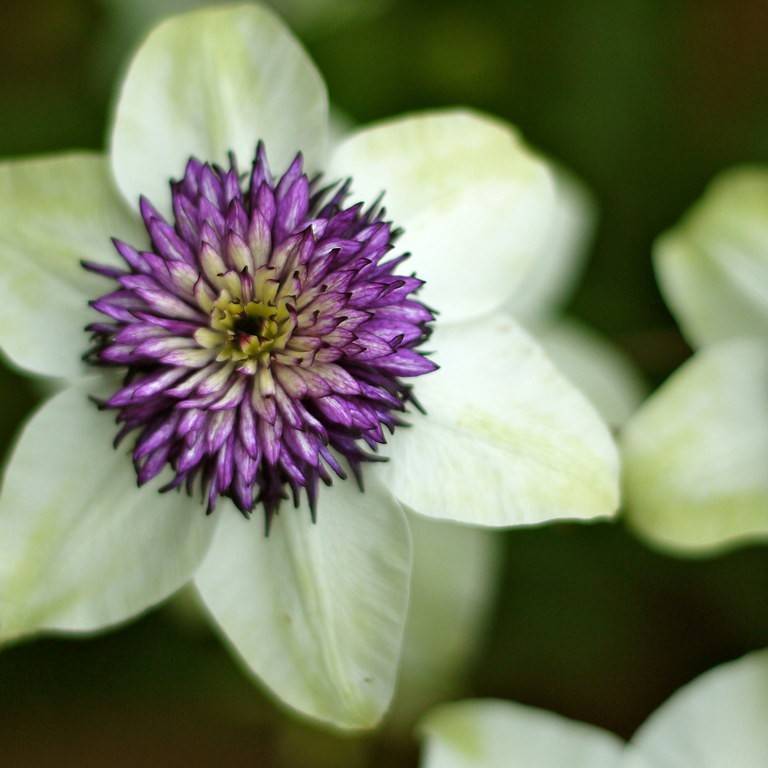
clematis
Clematis florida var. sieboldiana
Overview
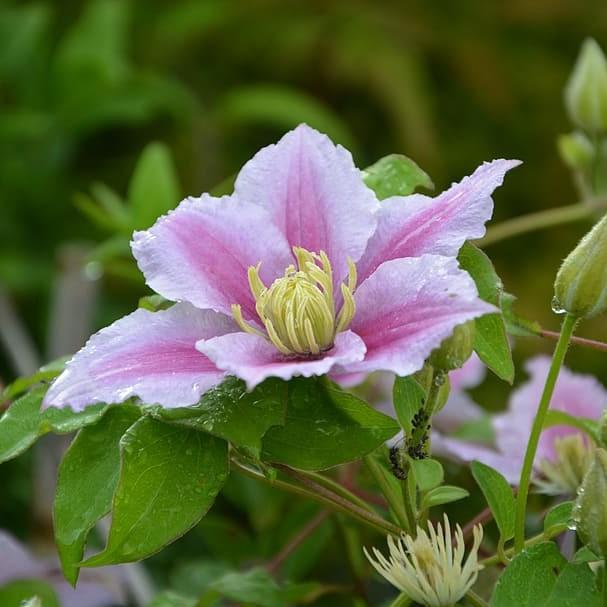
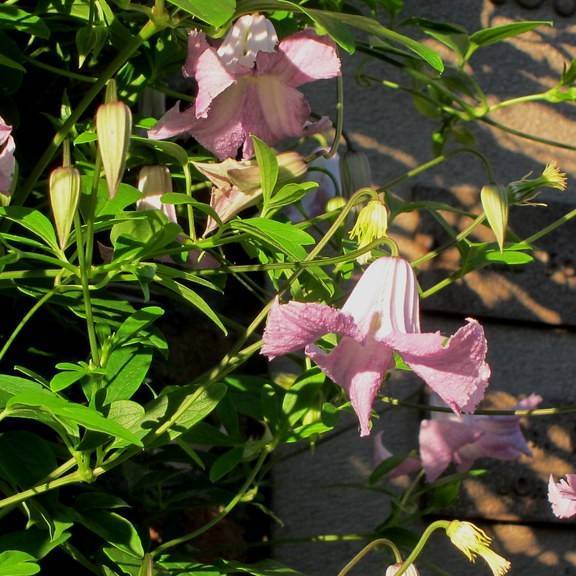
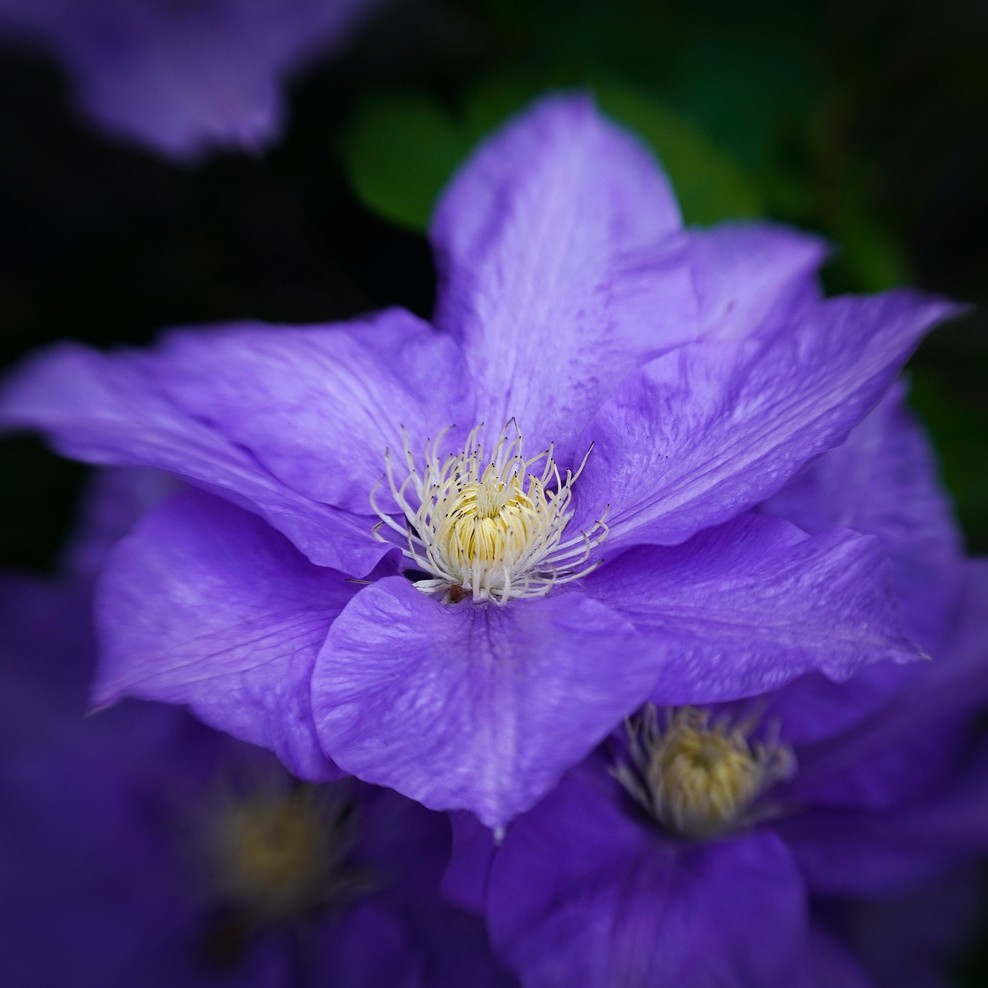
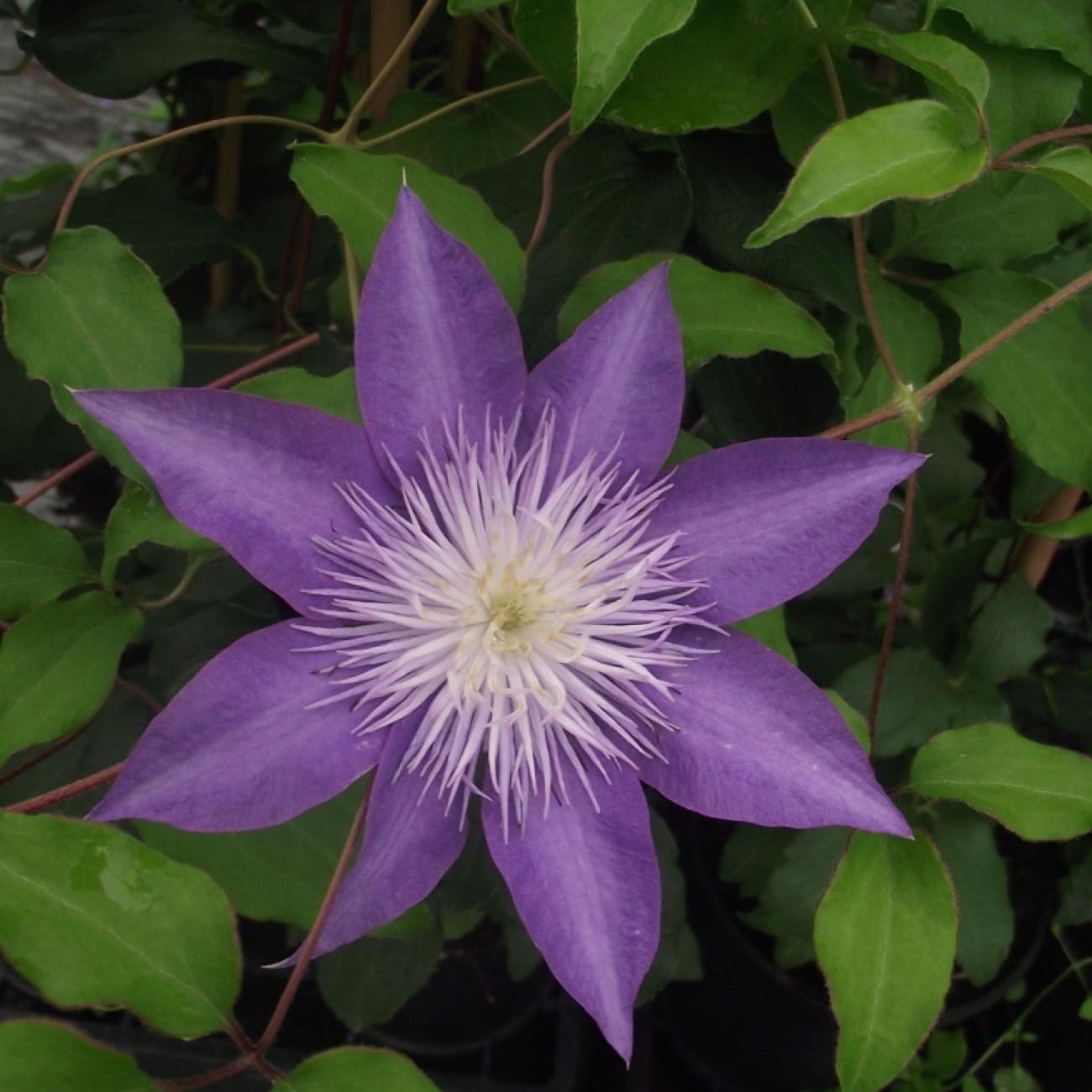
The Clematis florida var. sieboldiana is an amazingly beautiful vine. It produces lush foliage and an abundance of gorgeous white, star-shaped flowers. It blooms twice in a season, first in spring and again in fall. It thrives in the sun and is a great addition to gardens and landscaping designs. It is surprisingly hardy and can tolerate some harsh weather conditions. Its blooms attract hummingbirds and butterflies, adding to the beauty of any setting. It’s easy to care for and can become a treasured addition to any home.
Care Guide
Watering
Clematis (Clematis florida var. sieboldiana) should be watered deeply once a week, preferably in the morning or early evening. Watering should be done until moisture is consistently observed 1-2 inches deep in the soil. During periods of hot summer weather or dry conditions, your clematis will likely require more frequent watering. Make sure the soil is never too soggy, as this can lead to root rot.
Light
Clematis (Clematis florida var. sieboldiana) is a fast-growing, sun-loving vine. It is best grown in full sun (at least 6 hours of direct sunlight each day) to achieve optimal growth and blooming. When provided with adequate sunlight, this plant will bloom from late spring to early autumn. In part shade, the blooms may not be as full or the flowering season may be shortened. This plant requires plenty of sunlight and will reach its full height and spread in a sunny location.
Temperature
Hardiness zone 6–9.
Pruning
Pruning of clematis (Clematis florida var. sieboldiana) is important for its health and for producing robust blooms. The amount and timing of pruning depends on when it blooms. This particular variety blooms on old wood from late spring to early summer and can be pruned lightly in early spring. Remove any dead, diseased, or damaged stems. Do not prune later than the end of July because this will remove flower buds. When pruning, cut the stems back to healthy buds, leaf nodes, or just above the soil level if there are no healthy buds. Remove any branches that might be crossing and thin the plant to create air flow and reduce disease potential. Finally, fertilize the plant to promote new foliage and flowers.
Propagation
Layering Propagation, Cutting, Division, Grafting Propagation
Related plants
Other plants you might like if you grow clematis.