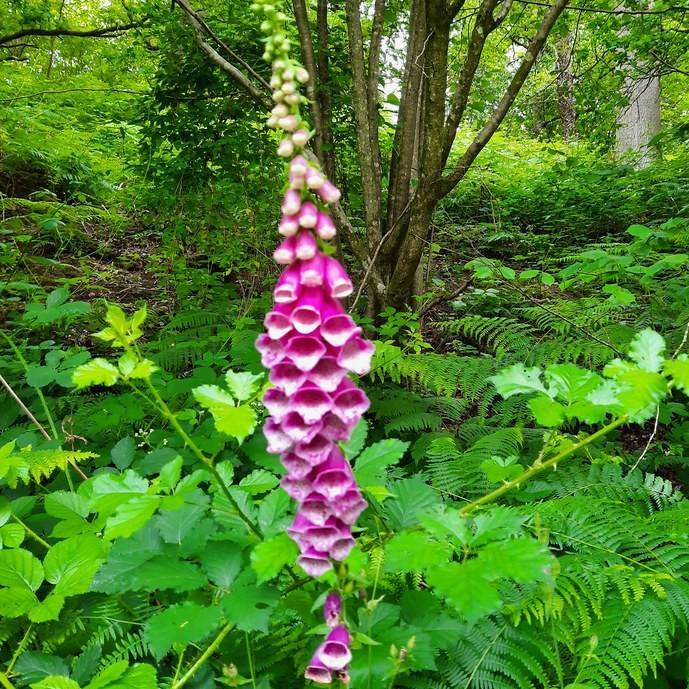
common foxglove
Digitalis purpurea 'Candy Mountain'
Overview
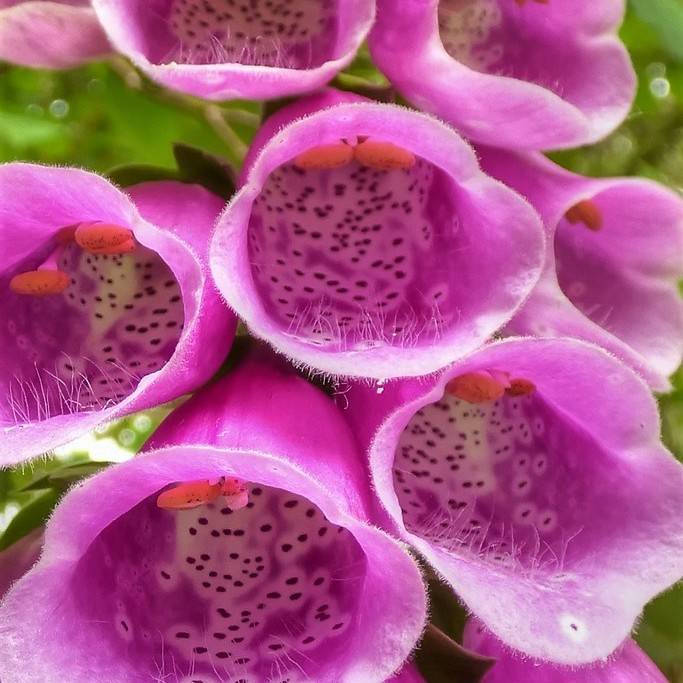
The common foxglove is a showstopper! Its tall spires are crowned with clusters of bell-shaped, pinkish-purple flowers that look simply stunning. This "Candy Mountain" variety is especially remarkable for its colorful flowers that seem to blend from one hue to the next. Pollinators are sure to be attracted to its sweet nectar. Its fragrant leaves emit a pleasant, earthy scent. With its eye-catching good looks and its useful medicinal properties, common foxglove is a marvelous addition to any garden.
Care Guide
Watering
Common foxglove (Digitalis purpurea 'Candy Mountain') should be watered once a week, applying enough water to evenly moisten the soil to a depth of at least 2 inches. The soil should not be overly saturated. Watering can be done more often, especially during periods of high temperature and low rainfall, to make sure the soil stays moist. Too much water may quickly lead to overcrowding and fungal diseases. Water early in the morning so that the leaves have the opportunity to dry out before evening.
Light
Common foxgloves (Digitalis purpurea ‘Candy Mountain’) require full sun to partial shade for optimum growth. This plant species typically needs 6 hours of sunlight per day in order to flower and thrive. It is important to note that too much direct sunlight can burn the foliage, so some protection from the midday sun may be beneficial. With the right balance of sun and shade, plants should show improved flower production and total health.
Soil
Humus rich, Well-drained
Temperature
Hardiness zone 4–8.
Pruning
Common foxglove (Digitalis purpurea 'Candy Mountain') should be lightly pruned late in the fall after its blooms have finished and while it is still green. During the winter, the plant may experience some dieback, which can be cut back to the base of the plant. Once all dieback has taken place, the remaining stalks should then be thoroughly pruned. This pruning should take place in late spring after any frost danger has passed. Pruning this plant should be kept light and take place only if necessary to shape the plant or if it has become sparse.
Propagation
Seed Propagation
Uses & Symbolism
Attracts: Hummingbirds.
Diseases & Pests
Common pests: Deer resistant, Rabbit resistant, Drought resistant.
Related plants
Other plants you might like if you grow common foxglove.
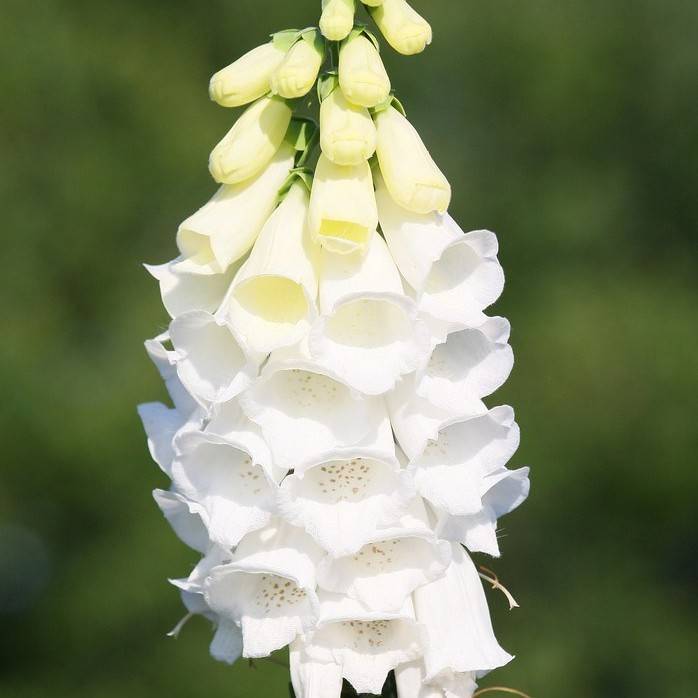
common foxglove
Digitalis purpurea f. albiflora
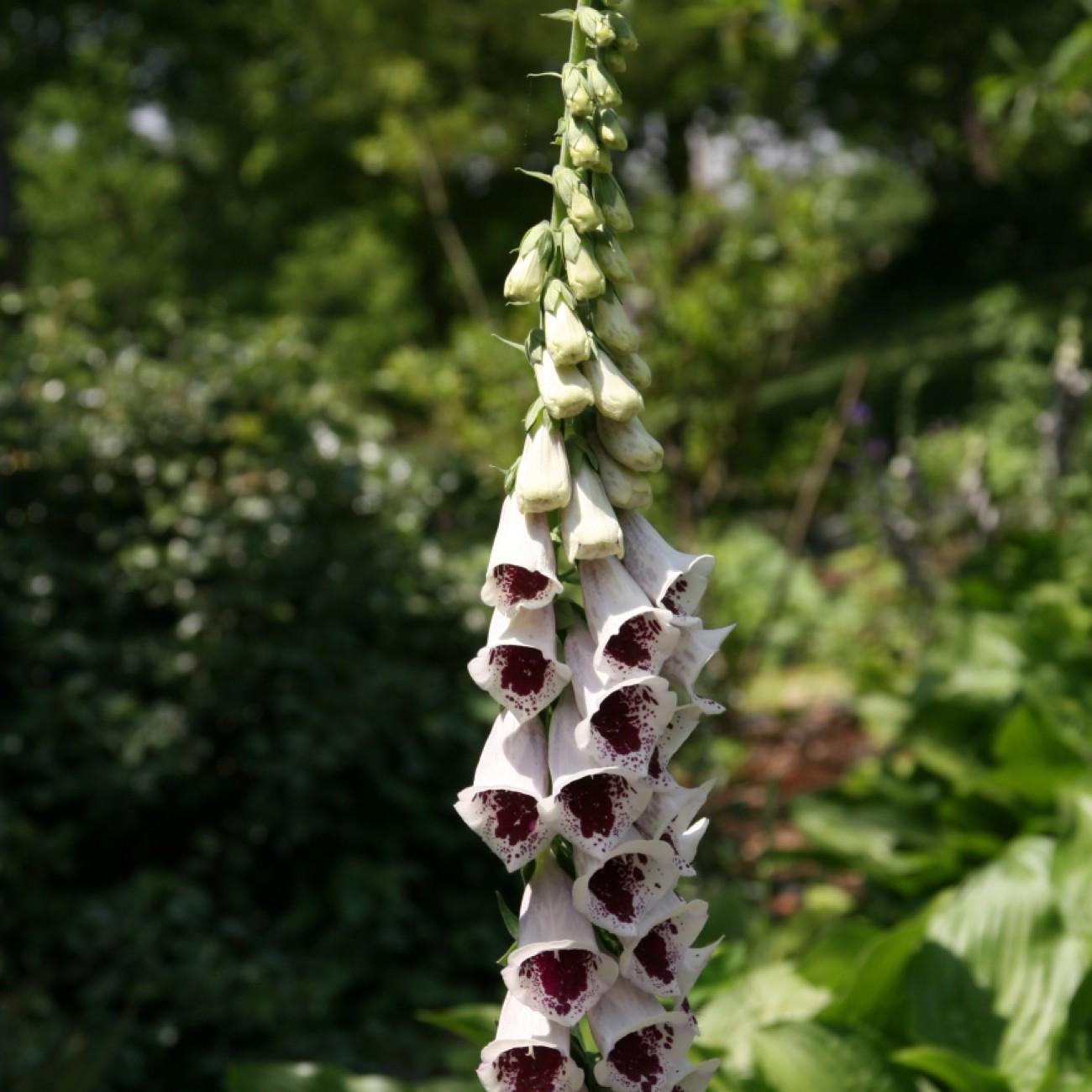
common foxglove
Digitalis purpurea 'Pam's Choice'
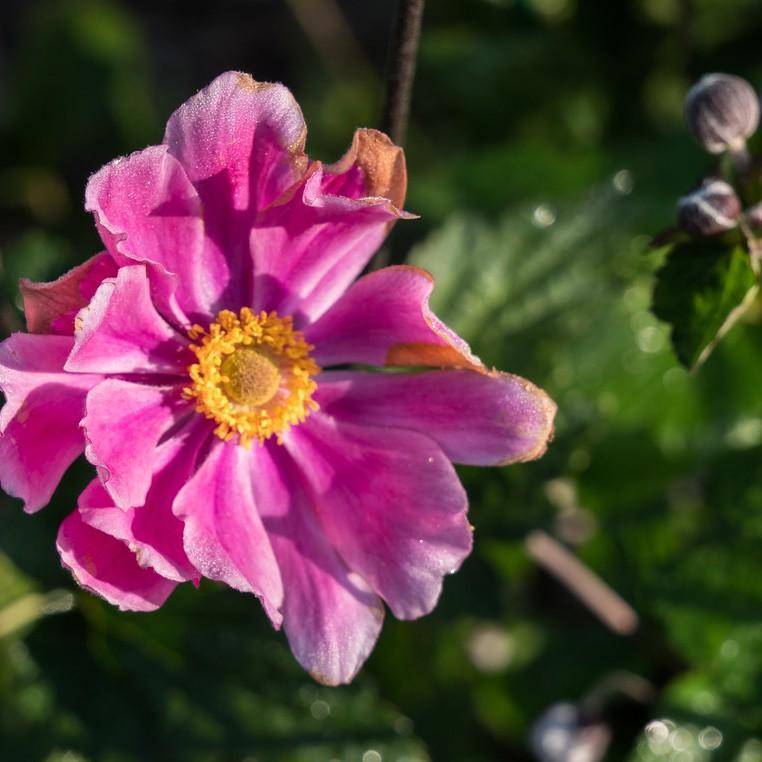
windflower
Anemone lesseri
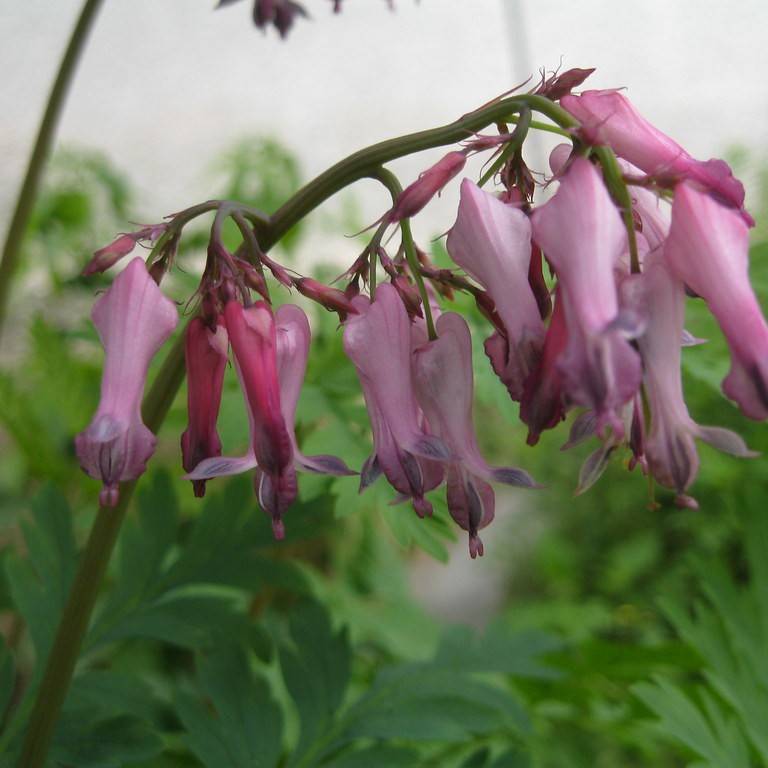
bleeding heart
Dicentra eximia
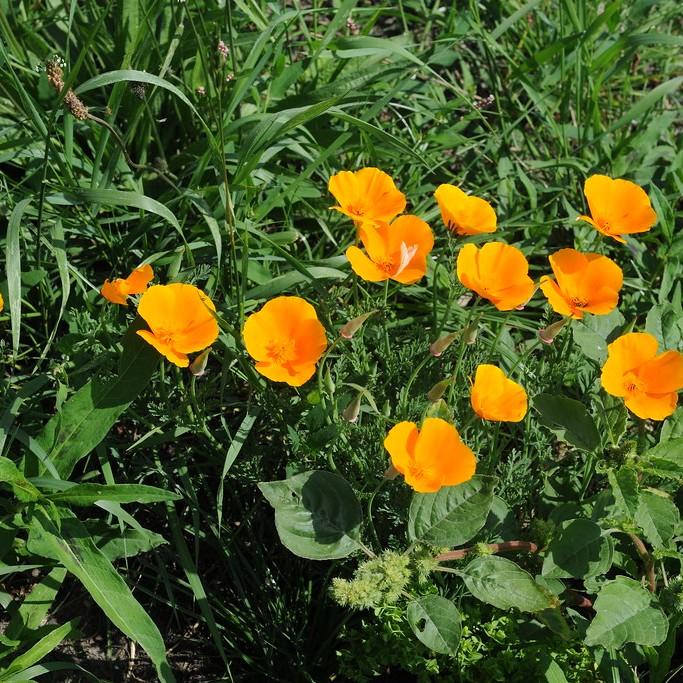
California poppy
Eschscholzia californica
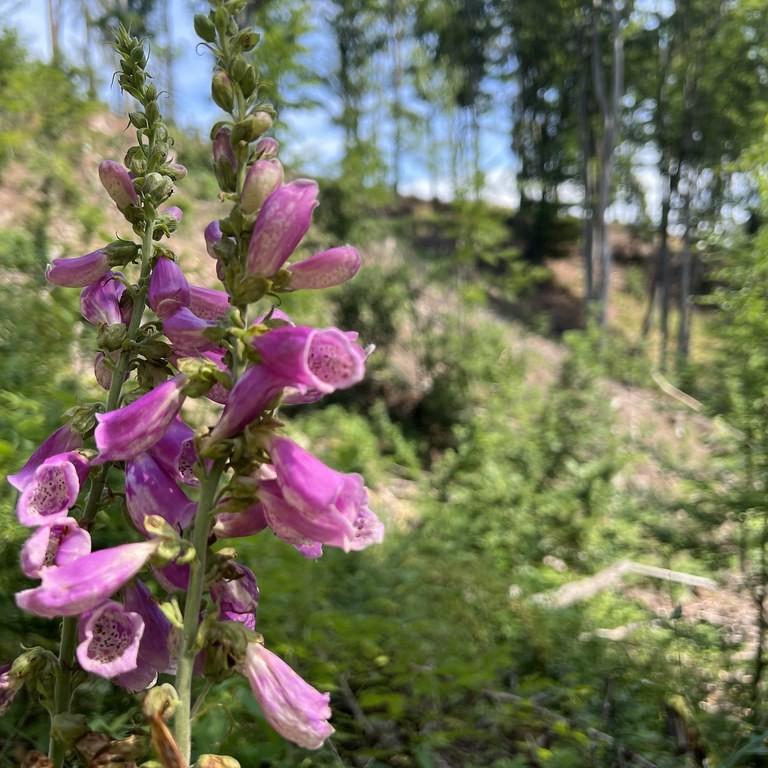
common foxglove
Digitalis purpurea
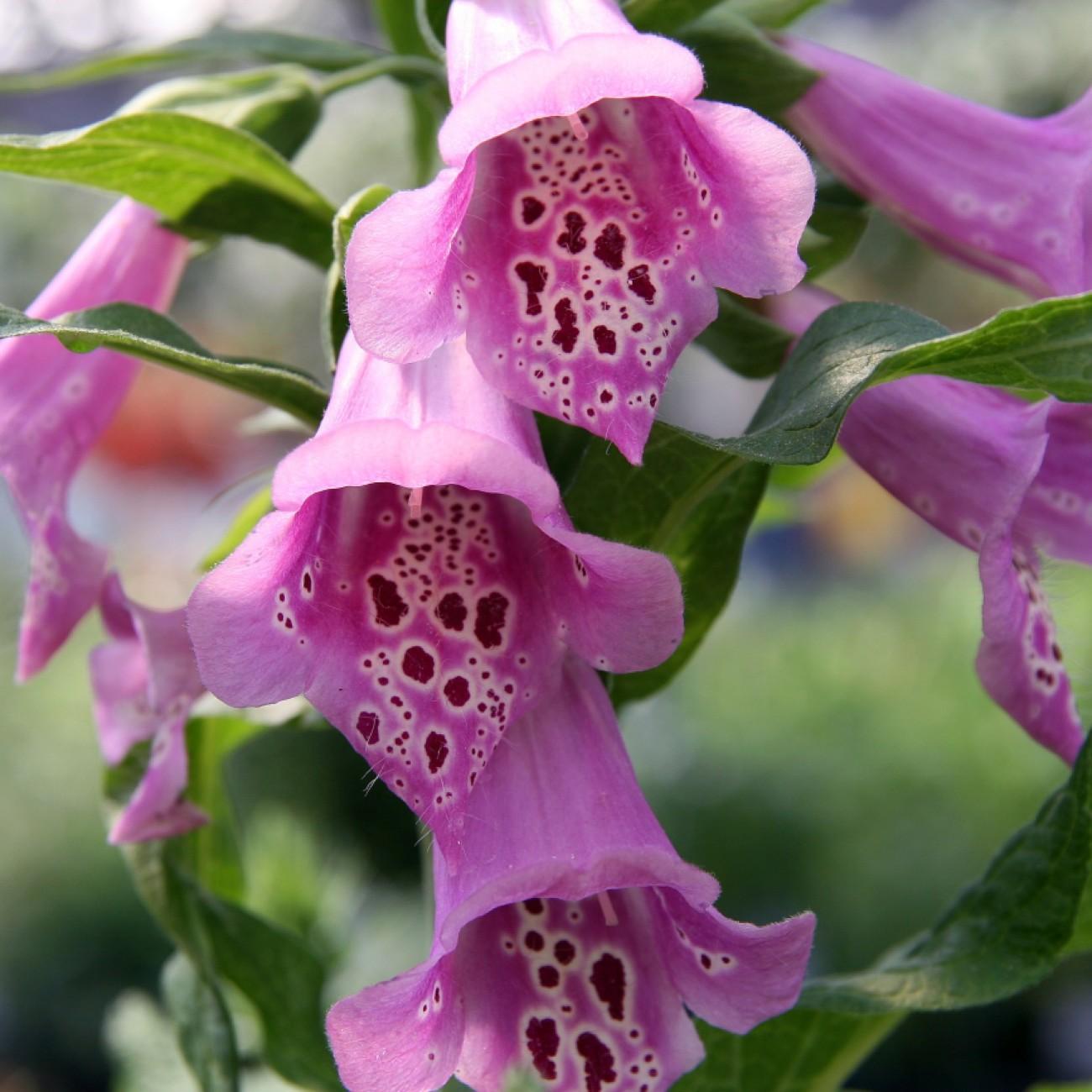
common foxglove
Digitalis purpurea (Excelsior Group)
common foxglove
Digitalis purpurea (Foxy Group)