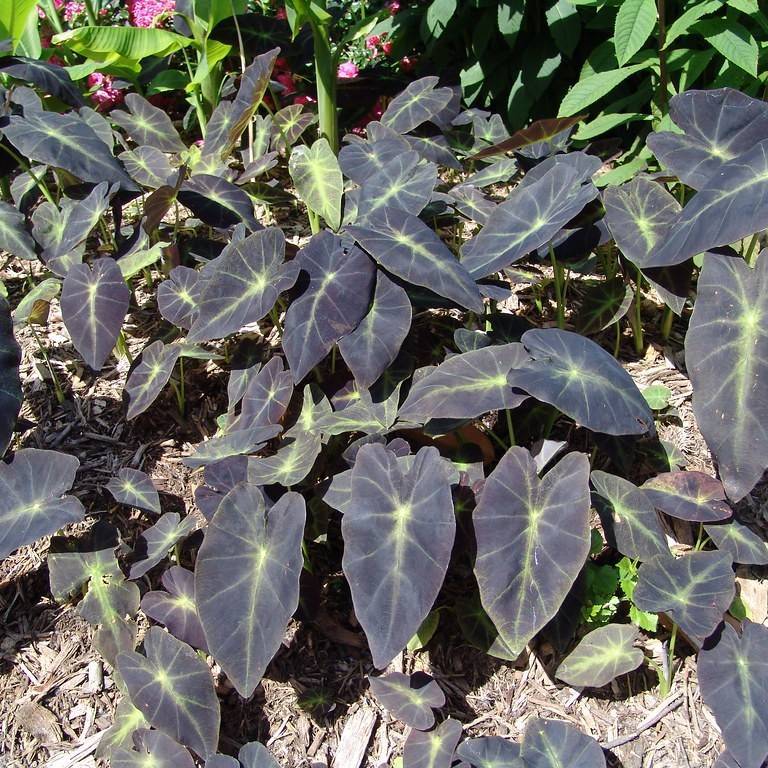
taro
Colocasia esculenta 'Black Magic'
Overview
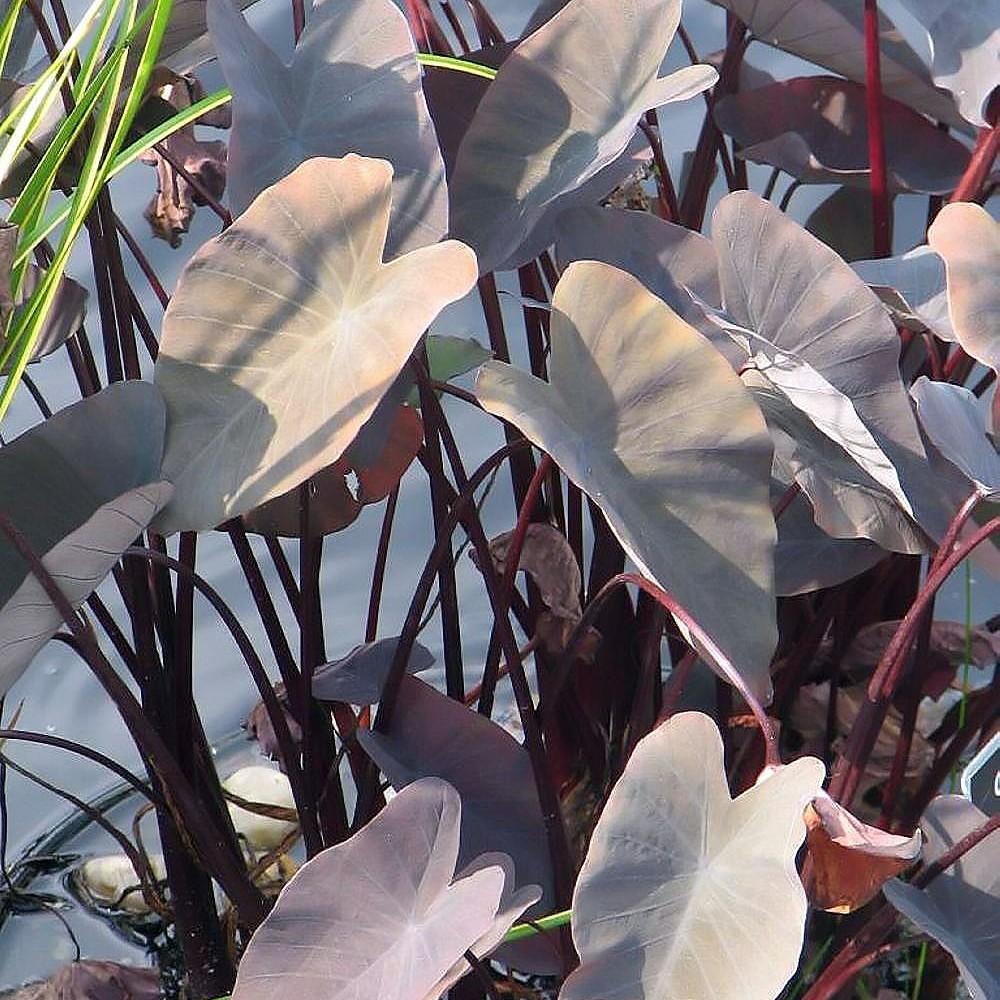
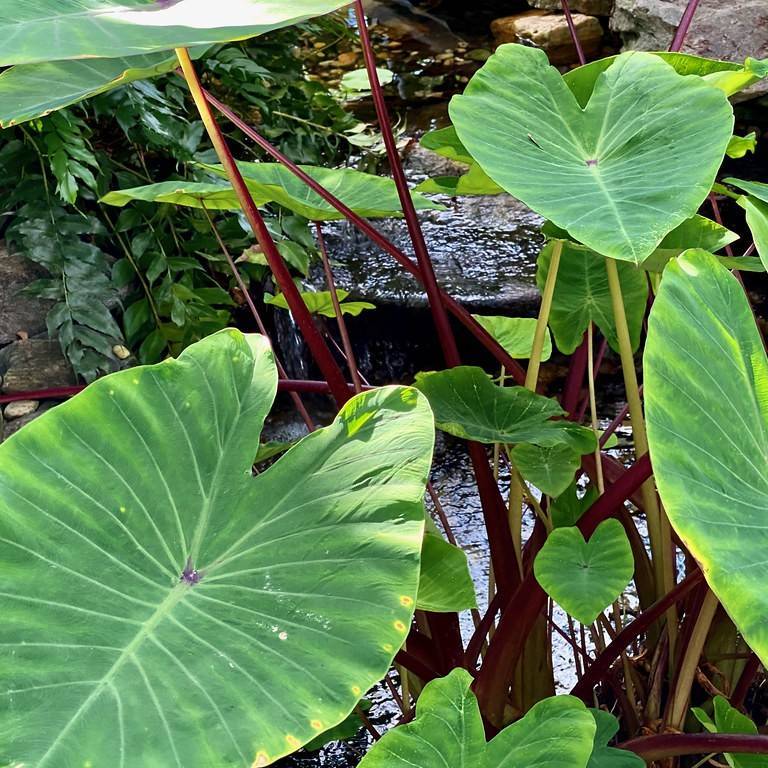
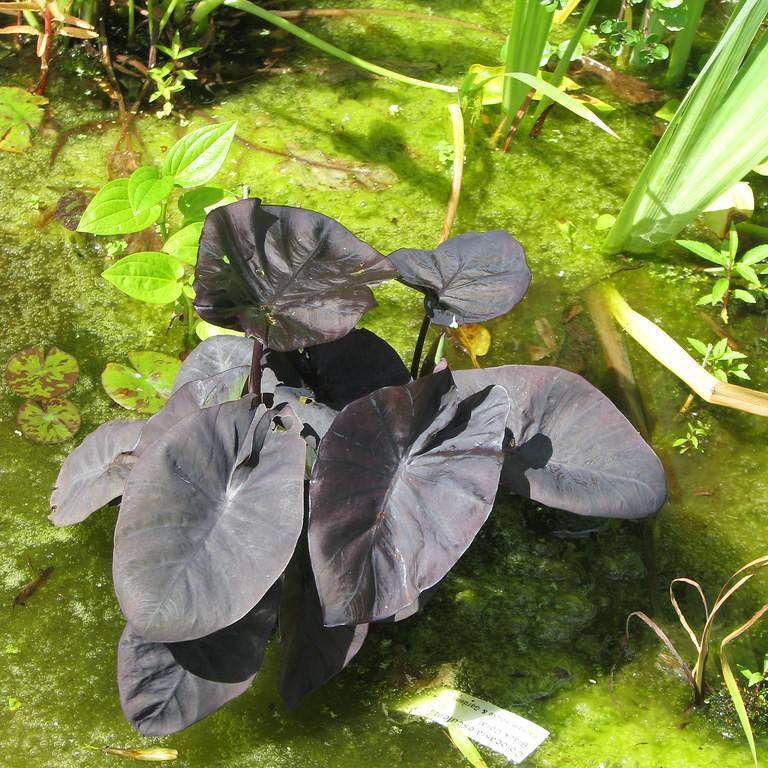
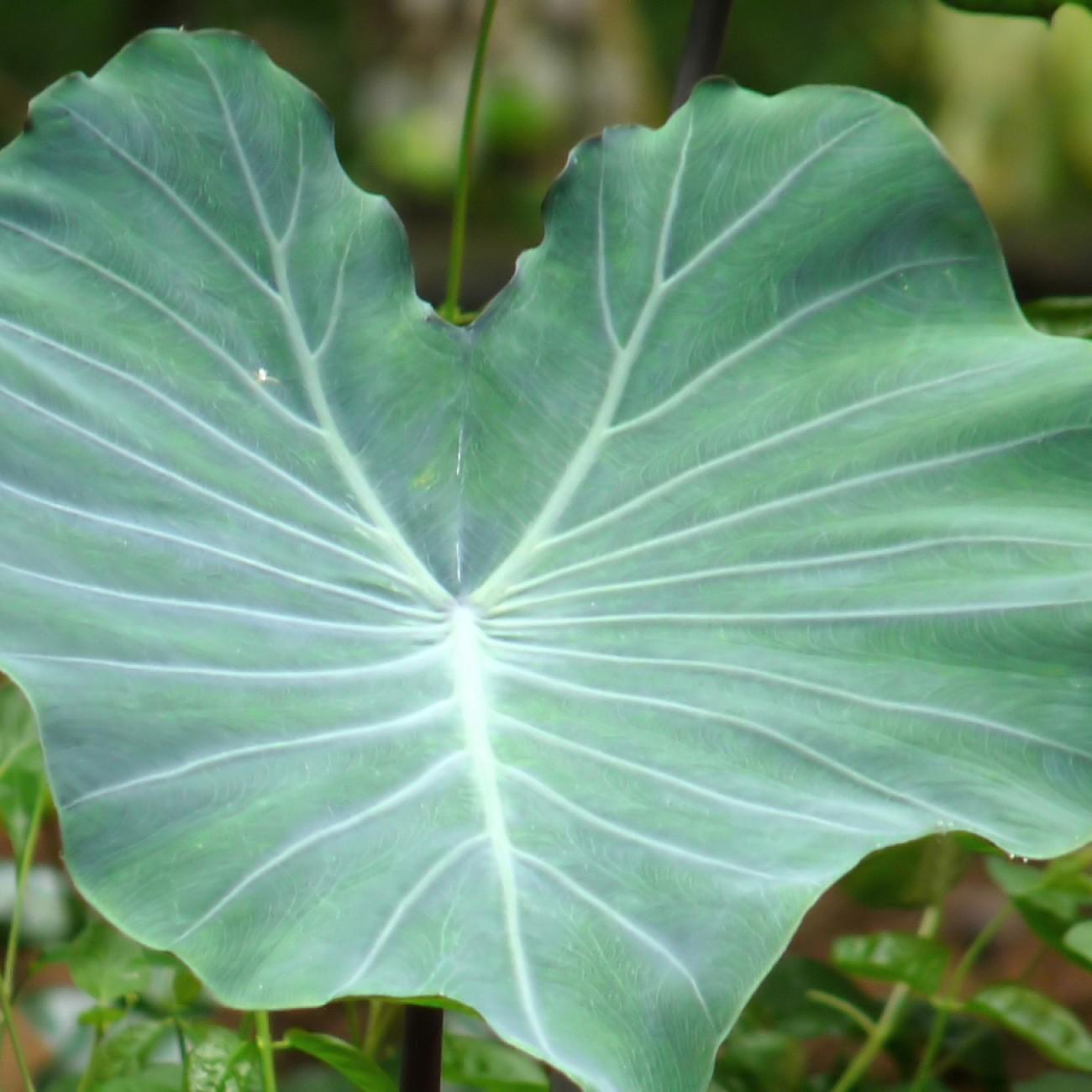
Taro (Colocasia esculenta 'Black Magic') is an amazing plant species. With its large, black-purple foliage, this distinct taro variety adds an exotic look to any garden or indoor space. Plus, its deep, nutrient-rich soil and vibrant shade gives it a unique depth to its green leaves. From salads to stews, to baked goods and desserts, its edible root can provide flavor and nutrition to your favorite dishes. Furthermore, it is a hardy plant that can grow in various climates - perfect for both indoors and outdoors. Whether in containers or in the ground, taro is an easy and pleasing species to care for, and offers beauty and a range of culinary possibilities.
Care Guide
Watering
Taro (Colocasia esculenta 'Black Magic') should be watered deeply about 1-2 times a week during the growing season, providing enough water to thoroughly saturate the soil to a depth of 12-18 inches. During hot, dry summer weather, plants may need to be watered more frequently. In winter, when the plant is dormant, taro should be only watered every other week, allowing the soil to partially dry out in between.
Light
Taro (Colocasia esculenta 'Black Magic') is a tropical plant species that should be provided with ample sunlight in order to thrive. It requires at least 4 to 6 hours of direct sunlight each day, though more sunlight can be beneficial for its best growth. The best light for taro is in the morning, between 8AM and 11AM, as the intensity of sunlight is less damaging to its foliage. Taro should not be exposed to direct sunlight during the hottest part of the day, between 11AM and 4PM, as this may cause leaf burn. Instead, the plants should receive bright indirect sunlight. Taro also benefits from afternoon sunlight, between 4PM and 7PM, which helps to promote blooming.
Soil
Acidic, Bog, Humus rich
Temperature
Hardiness zone 8–10.
Pruning
In general, pruning for taro (Colocasia esculenta 'Black Magic') is best done in spring. You should remove any dead leaves and stems that have been damaged by cold weather. If the taro plant has become too large for its container, you can prune off the top growth and the roots to encourage branching and the plant to stay contained and healthy. Prune back the side leaves that are growing out of the main stem so that the plant has an even shape. You should also remove any flowers stalks before the blooms open, as these can sap the energy from the plant. Finally, you can lightly trim back any weak or broken stems to help promote new growth. Pruning should only be done when necessary, as taro is a slow growing plant and can be damaged if it's pruned too heavily.
Propagation
Division
Diseases & Pests
Common pests: Mites, Root rot, Virus, Pest resistant, Disease resistant .
Related plants
Other plants you might like if you grow taro.