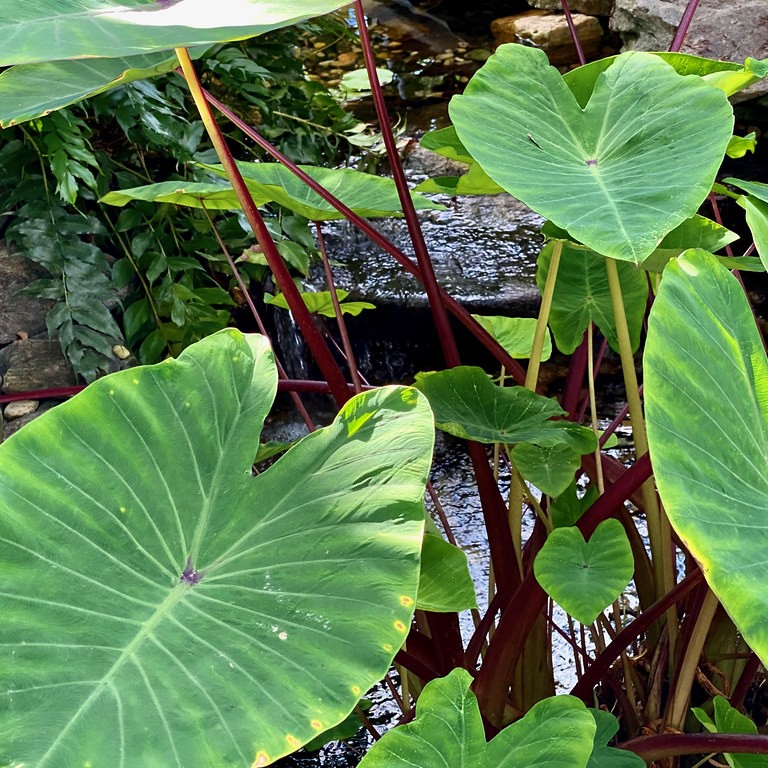
taro
Colocasia esculenta 'Hawaiian Punch'
Overview
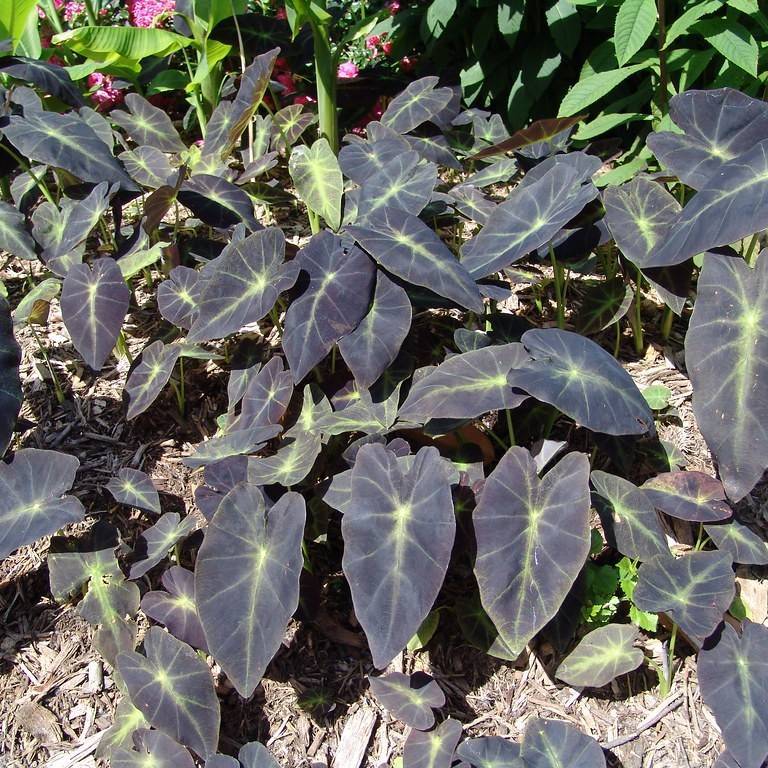
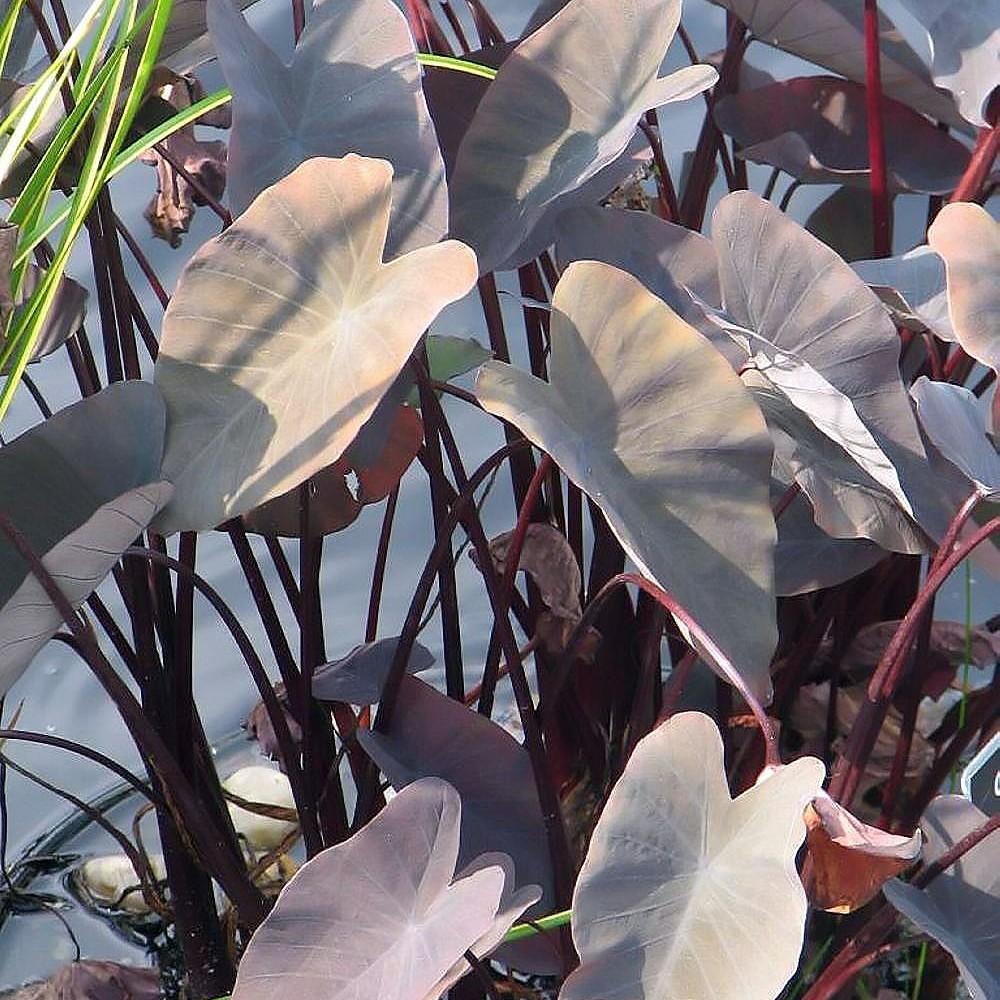
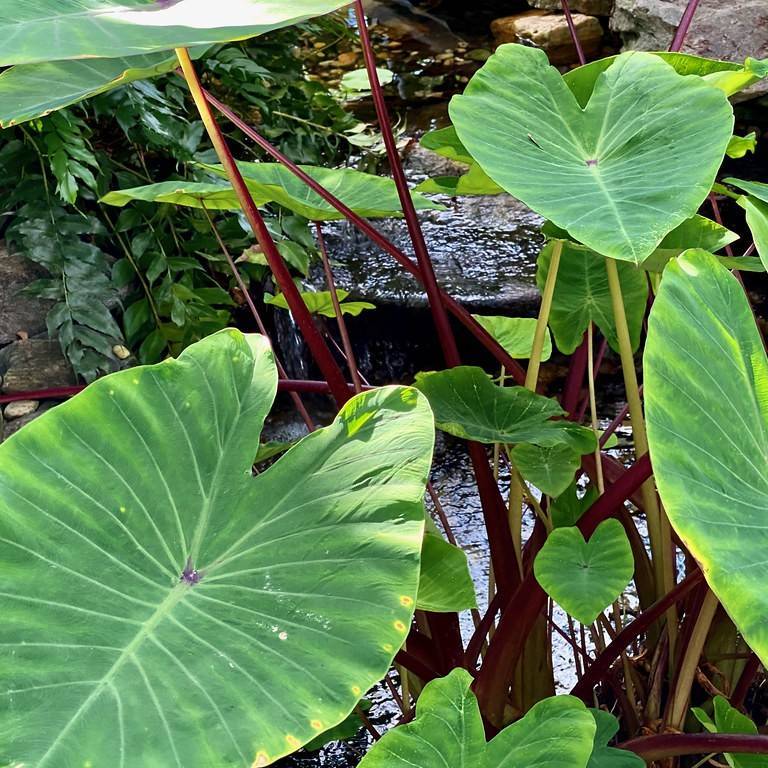
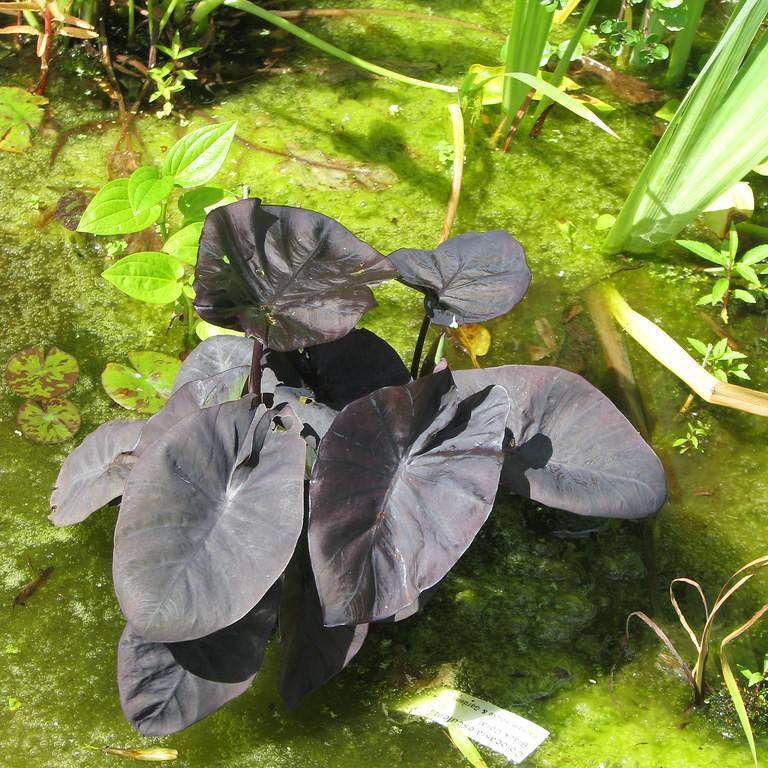
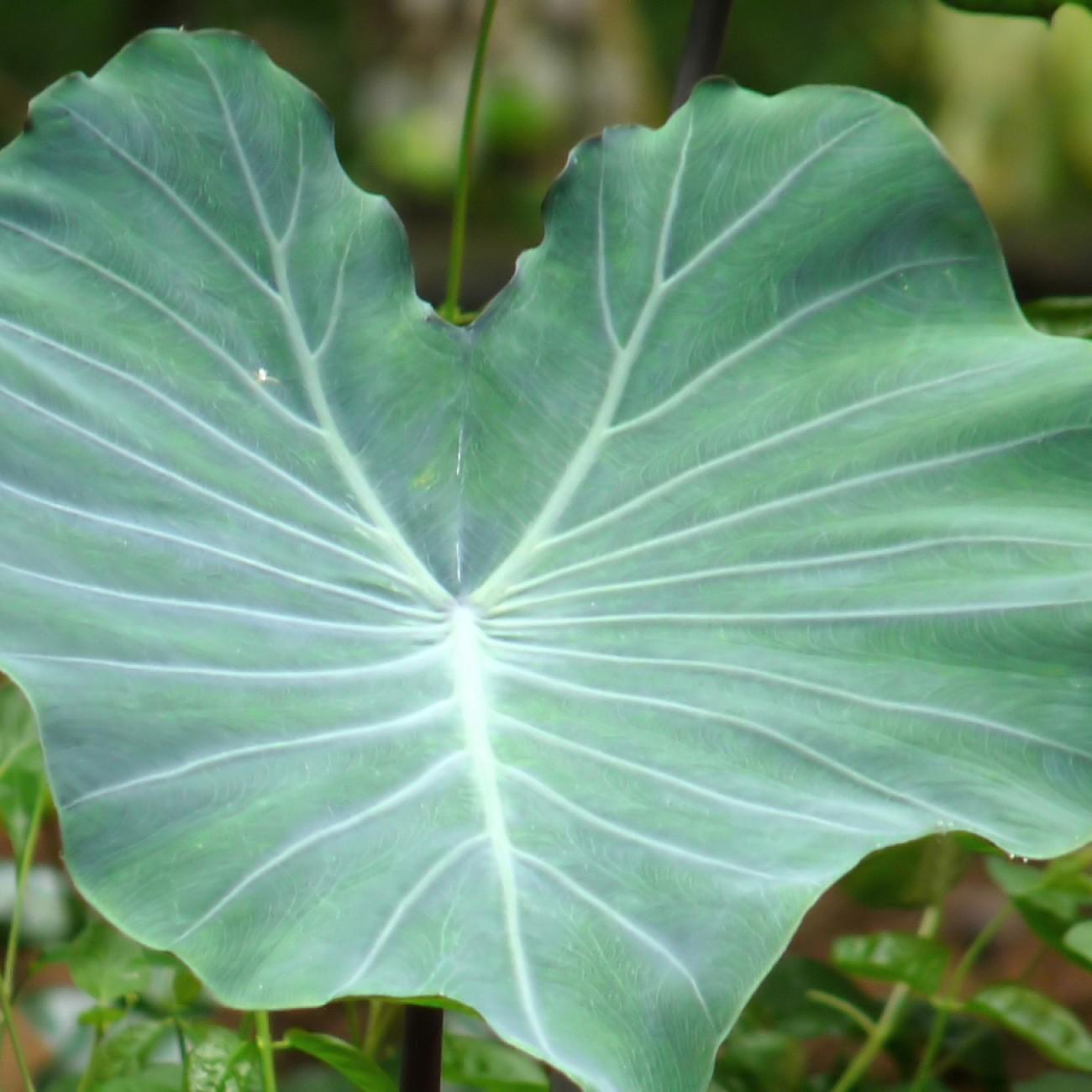
Taro (Colocasia esculenta 'Hawaiian Punch') is an amazing plant. It is an ornamental variety of taro, known for its amazing foliage of green and purple, providing a contrast of colors. It has large heart-shaped leaves that can reach up to 90cm in length and has a remarkable texture, perfect for water gardens or large planters. The heat resistant taro is vigorous and fast growing. It can be grown inshade or partial sun and will thrive in moist soils, making it ideal for use as a pond or bogplant. Taro is versatile and excellent for many culinary uses such as smoothies, chips, and fermented dishes. If you're looking for a unique and dramatic ornamental plant that offers many benefits, taro (Colocasia esculenta 'Hawaiian Punch') is an excellent choice.
Care Guide
Watering
Taro should be watered thoroughly every 1-2 weeks. During the growing season it’s important to ensure that the soil around the plant stays moist. Aim to keep the soil damp, but not soggy. In general, you should provide 1-2 inches of water at each watering session. During periods of hot, dry weather, you can water the plants more often to help keep them healthy.
Light
Taro (Colocasia esculenta 'Hawaiian Punch') is considered a shade-loving plant and does best with bright, indirect sunlight. This means the plant should be placed in a spot where it gets partial sunlight and plenty of diffuse light. During the morning hours, when the sun is low in the sky, the plants should be provided direct sunlight for a few hours. Then the plant should be moved to a spot with bright, indirect sunlight or kept in a sunny spot with protection from the mid-day sun. During the evening hours, when the sun is low in the sky, it should once again receive a few hours of direct sun. As a general rule of thumb, the plant should receive around 5 hours of sunlight daily.
Soil
Acidic, Bog, Humus rich
Temperature
Hardiness zone 8–10.
Pruning
Taro (Colocasia esculenta 'Hawaiian Punch') should be pruned once a year during the late spring or early summer. Pruning should be done to maintain the desired size and shape of the plant while also stimulating leaf growth. For larger plants, thin out the foliage as well to prevent overcrowding and maximize air flow. Start by trimming any dead or damaged foliage, then proceed to shape the plant by cutting back any large and overgrown stems. Always use clean, sharp pruning tools and make sure not to remove more than 1/3 of the foliage in 1 go.
Propagation
Division
Diseases & Pests
Common pests: Mites, Root rot, Virus, Pest resistant, Disease resistant .
Related plants
Other plants you might like if you grow taro.