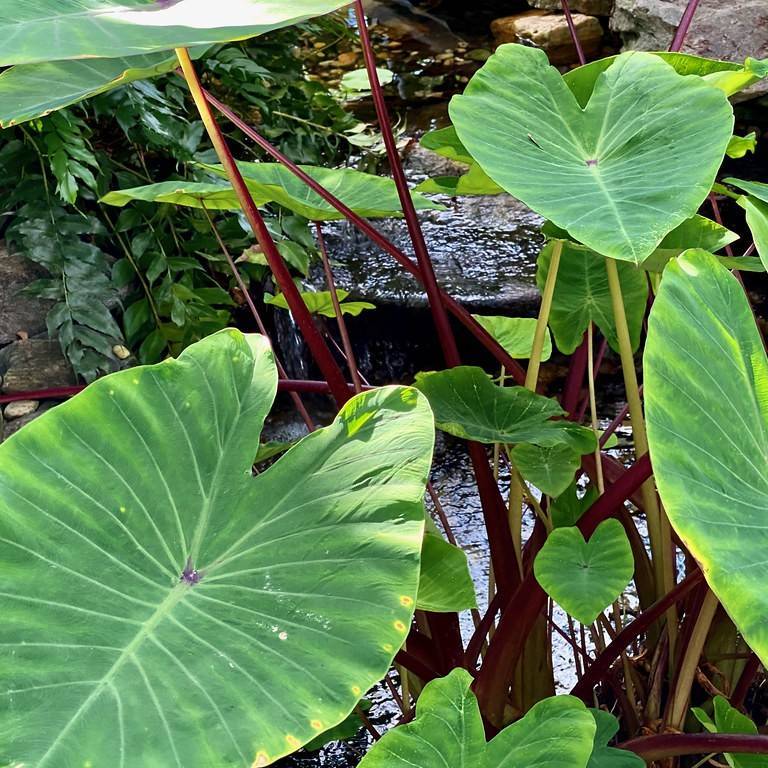
taro
Colocasia esculenta 'Blue Hawaii'
Overview
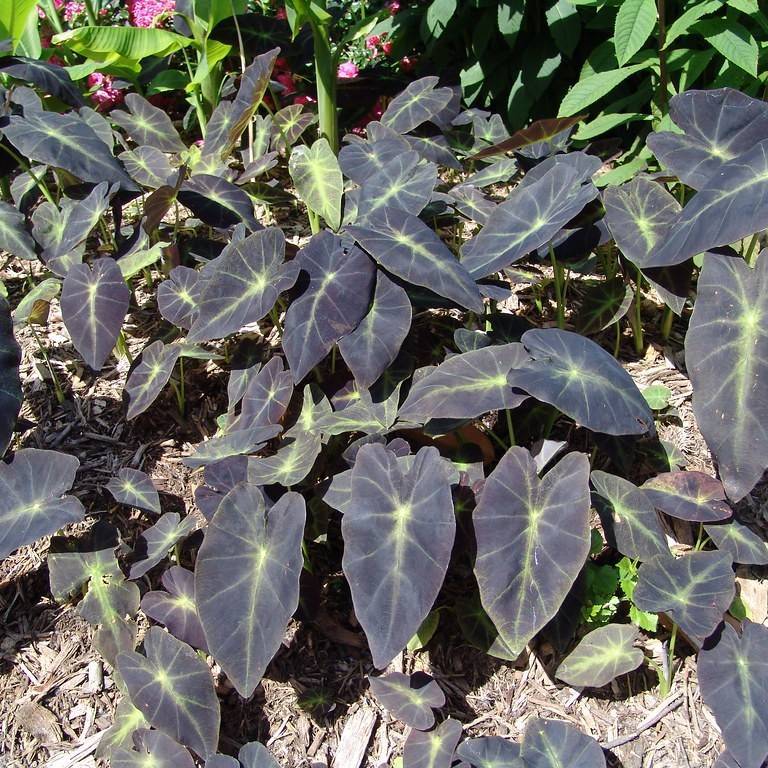
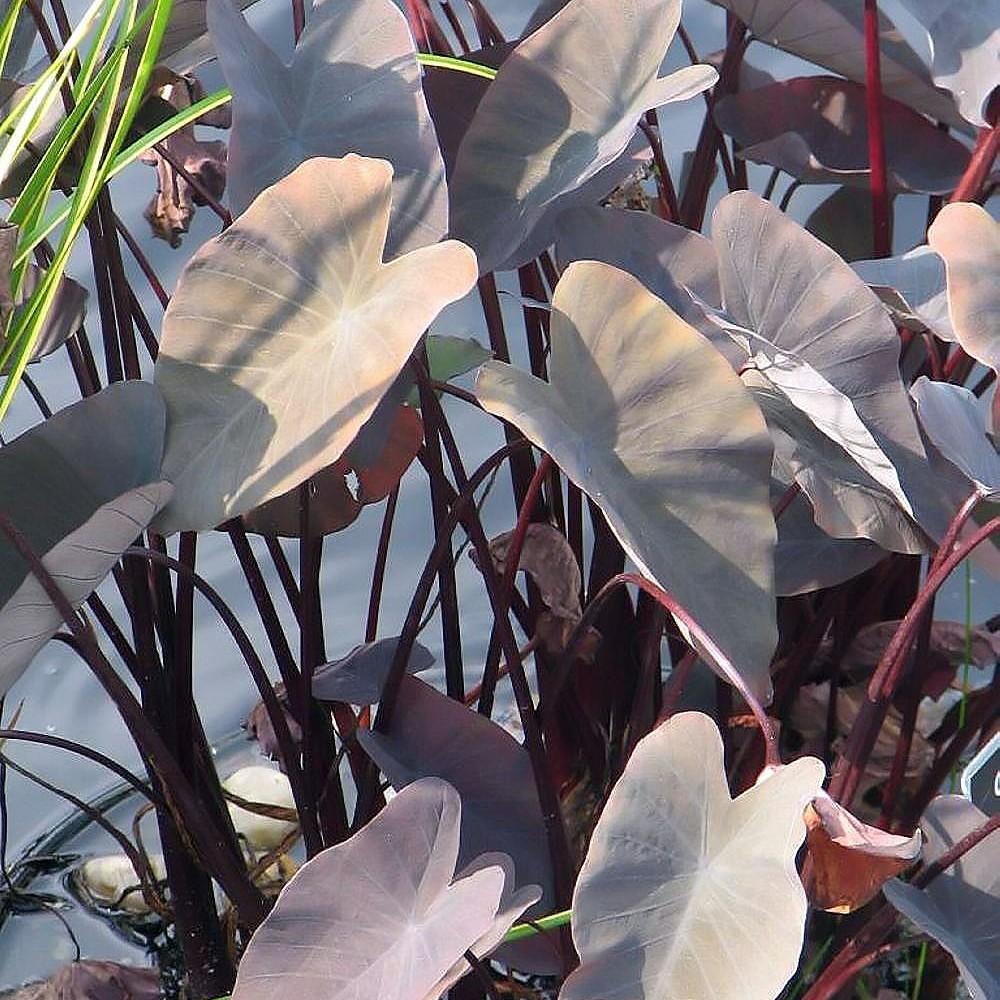
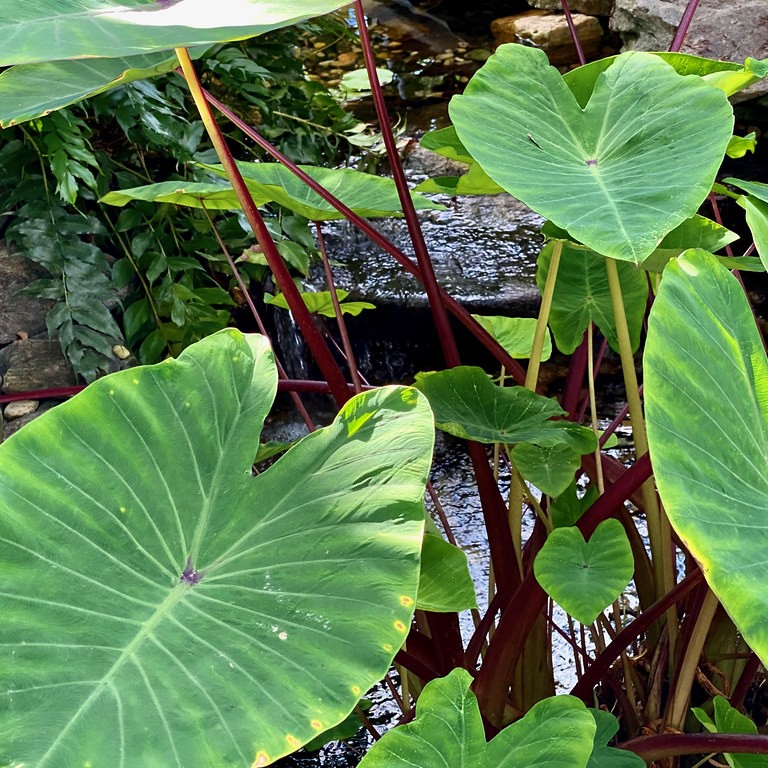
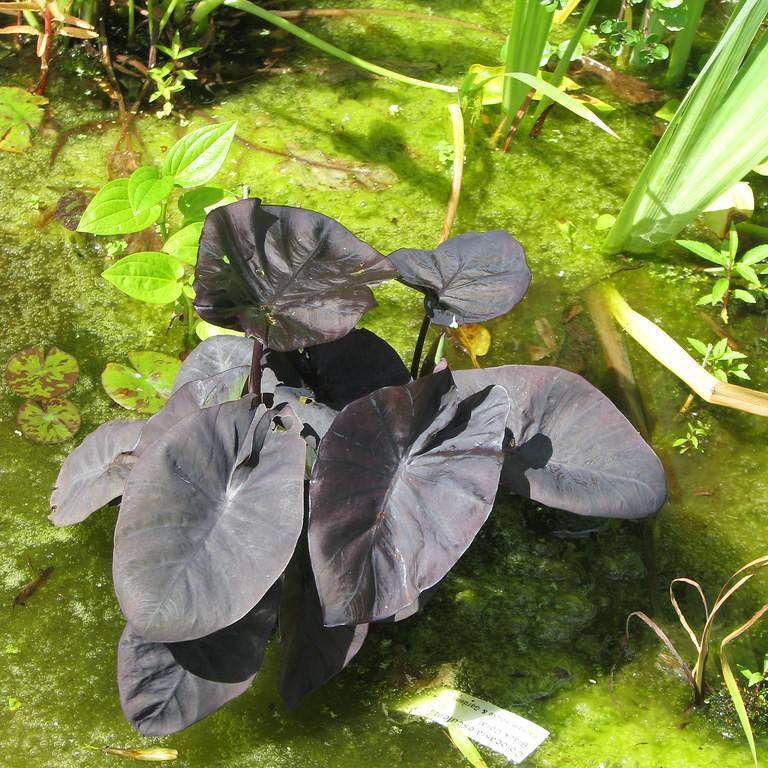
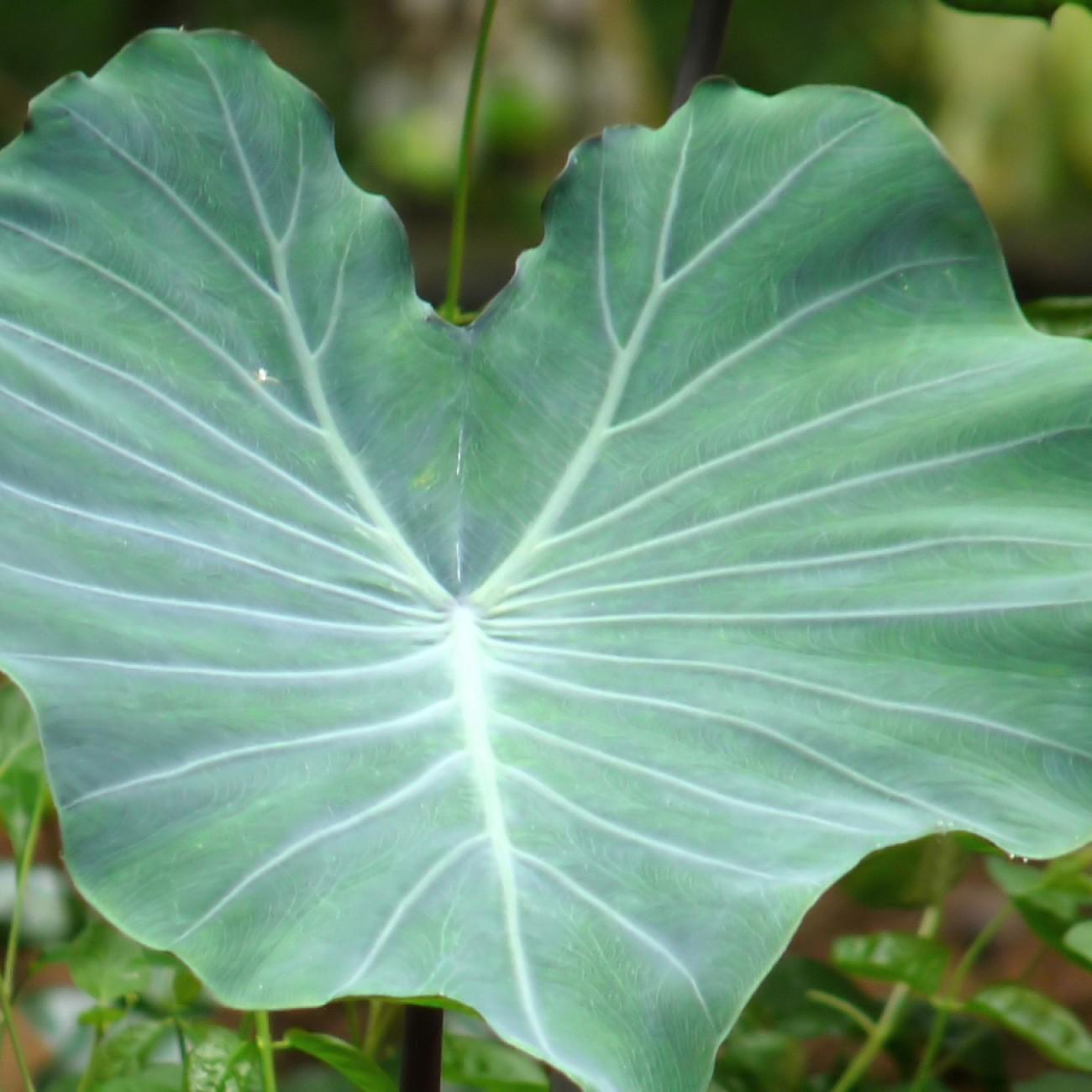
Taro (Colocasia esculenta 'Blue Hawaii') is an amazingly productive tropical vegetable plant. It is native to Southeast Asia and is highly valued for its edible underground corm and leaves. With its stunning blue-green leaves and distinctive "ears" shaped like elephant ears, it is definitely an eye-catching plant. Its leaves, shoots, and stems provide excellent nutrition—they're high in fiber, vitamins A and C, iron, and calcium. Its corm has a nutty taste and a velvety texture. Taro requires minimal care to produce an abundance of edible parts in just a few months. Once established, it can happily be grown in perennial beds or in containers. With its beauty and abundant yields, taro is a must-have for any garden.
Care Guide
Watering
Taro (Colocasia esculenta 'Blue Hawaii') should be watered regularly, but lightly. During the growing season (April to September) water once per week and water deeply enough that some of the moisture soaks into the root zone. Make sure the soil never completely dries out, but never let the soil become soggy either. During the dormant season (October to March) reduce watering frequency to every other week. It is also beneficial to lightly mist the foliage every few days.
Light
Taro needs at least 6-8 hours of direct sunlight every day. If grown in Northern climates, it is beneficial to provide taro with some form of supplemental light in order to get the best growth. In the Southern climates, it should be given late morning and early afternoon sunlight since the hottest and most intense sunlight will be during the middle of the day. If it is grown indoors, position the plant near a bright, south-facing window and rotate it occasionally for even sun exposure.
Soil
Acidic, Bog, Humus rich
Temperature
Hardiness zone 8–10.
Pruning
Taro (Colocasia esculenta 'Blue Hawaii') should be pruned once or twice a year, in either spring or in the early months of summer. The amount of pruning required will largely depend on the size and shape of the plant. Smaller specimens should be pruned more lightly, removing just the stem tips or any overly long stems. Larger plants may benefit from more extensive pruning, removing entire stems and leaves that are diseased or damaged. Pruning also helps promote bushier growth, providing more abundant harvests of early taro roots. Be sure to sterilize pruning tools (including sharp scissors or pruning shears) before and after using them to avoid spreading disease.
Propagation
Division
Diseases & Pests
Common pests: Mites, Root rot, Virus, Pest resistant, Disease resistant .
Related plants
Other plants you might like if you grow taro.