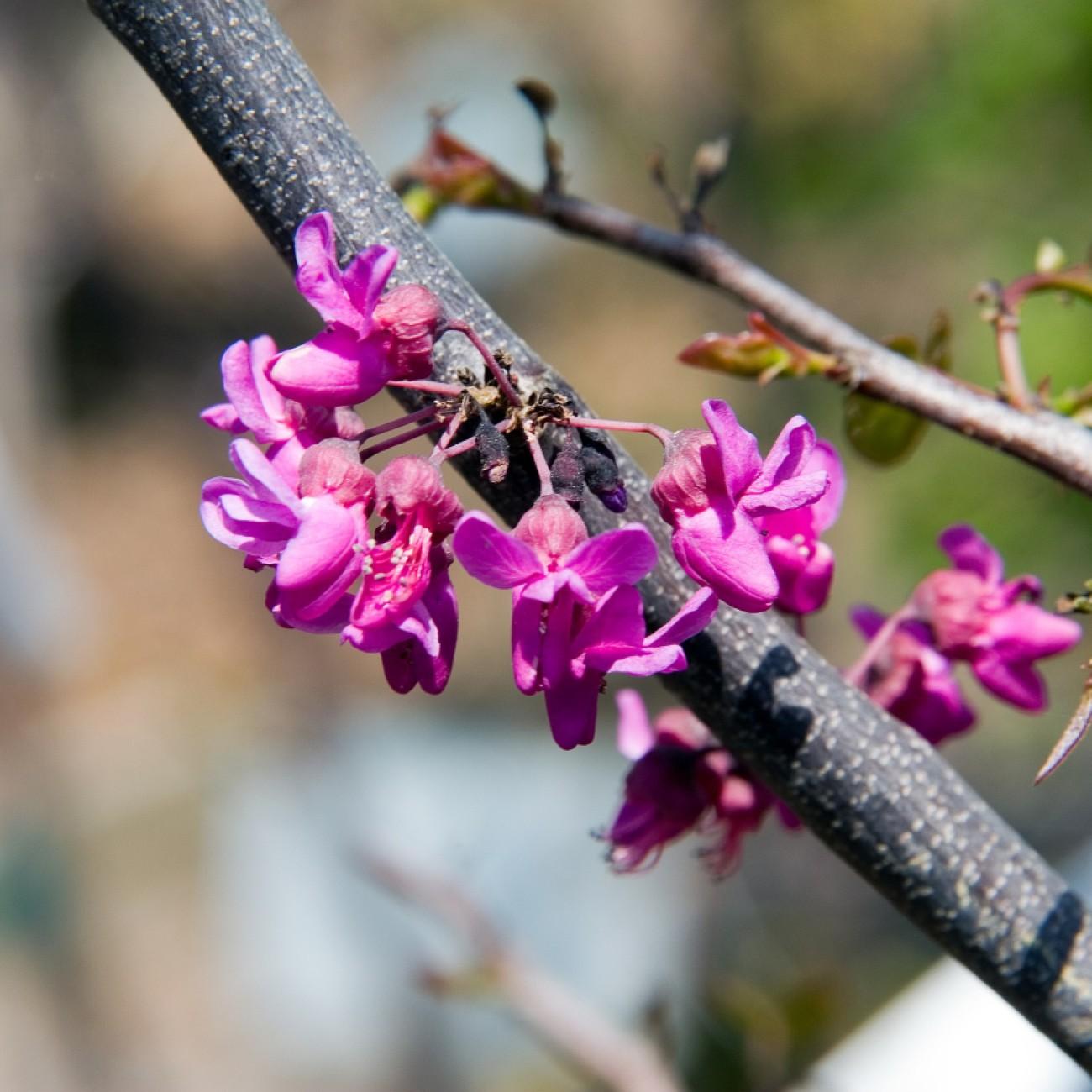
Texas redbud
Cercis canadensis var. texensis 'Oklahoma'
Overview
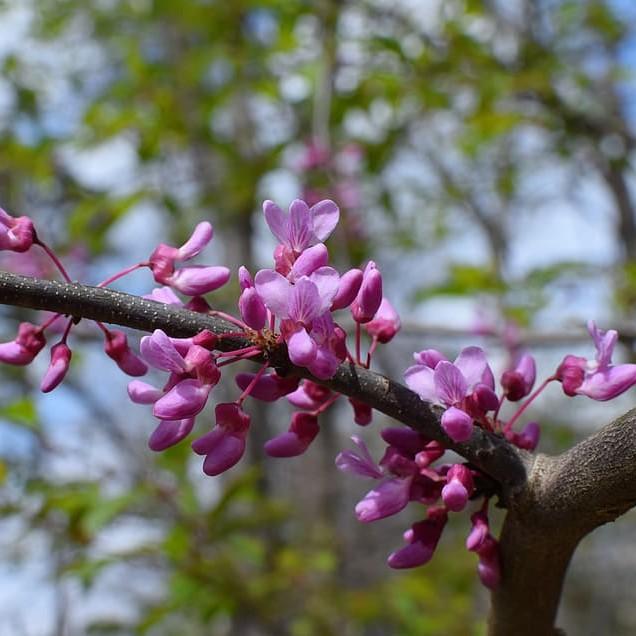
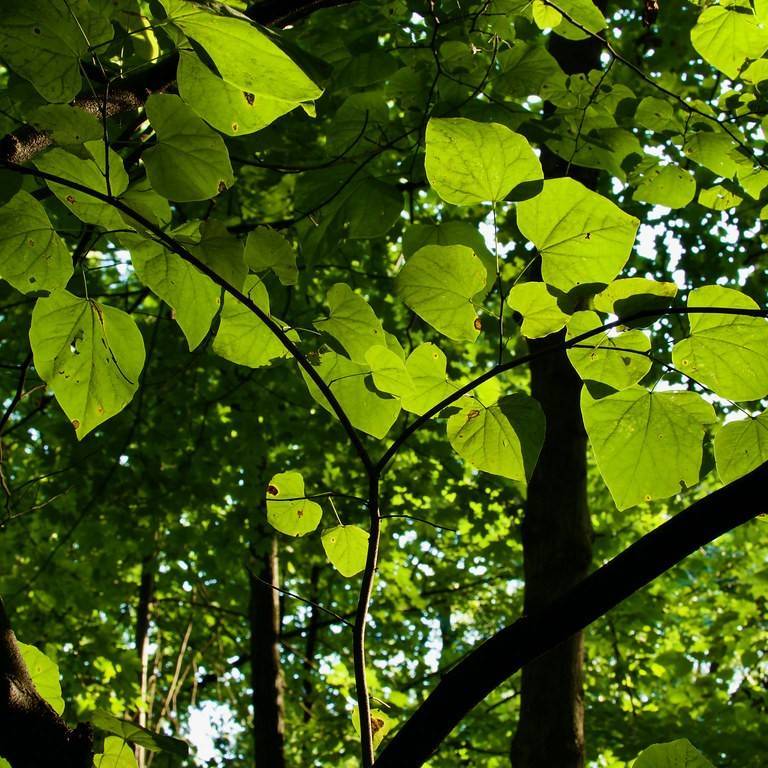
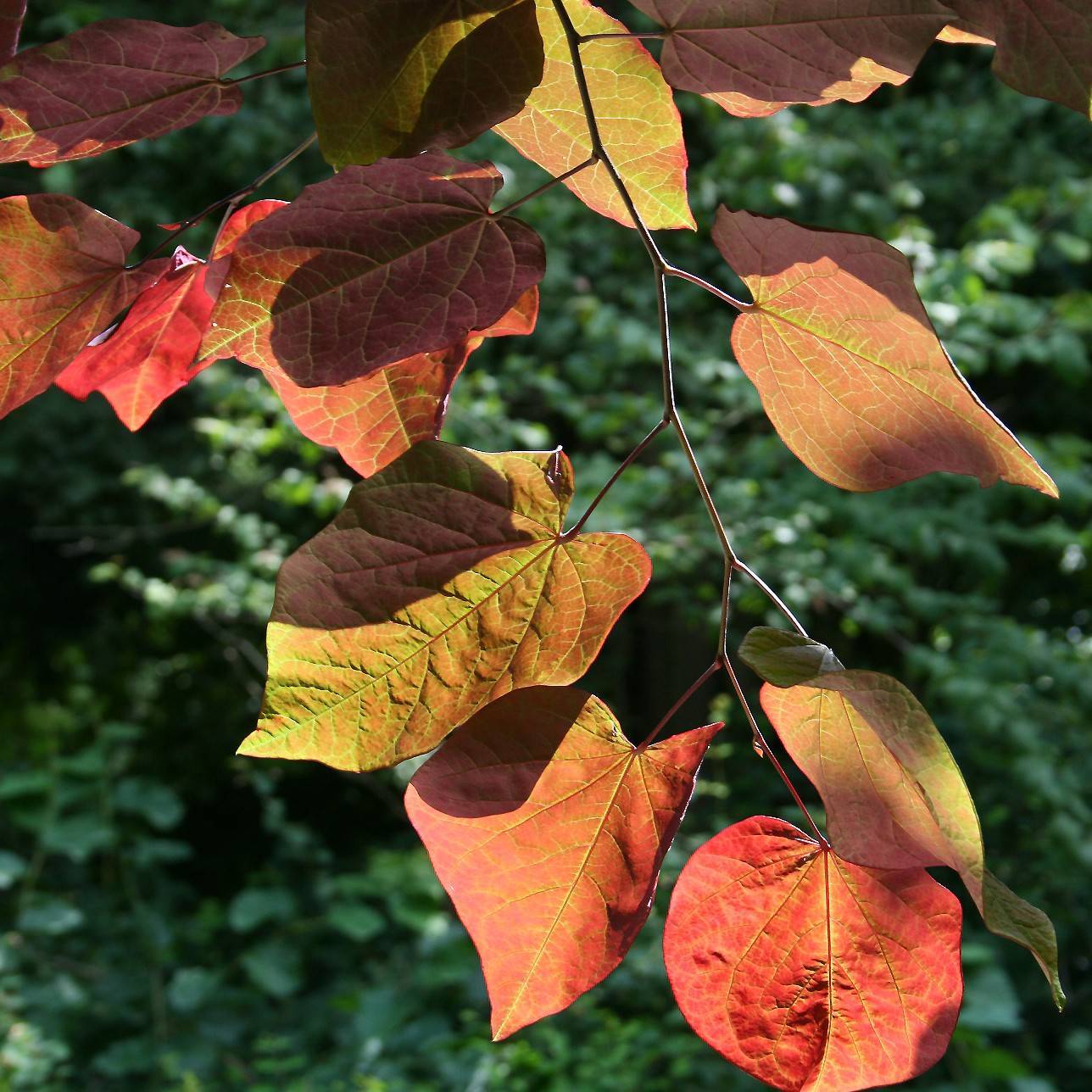
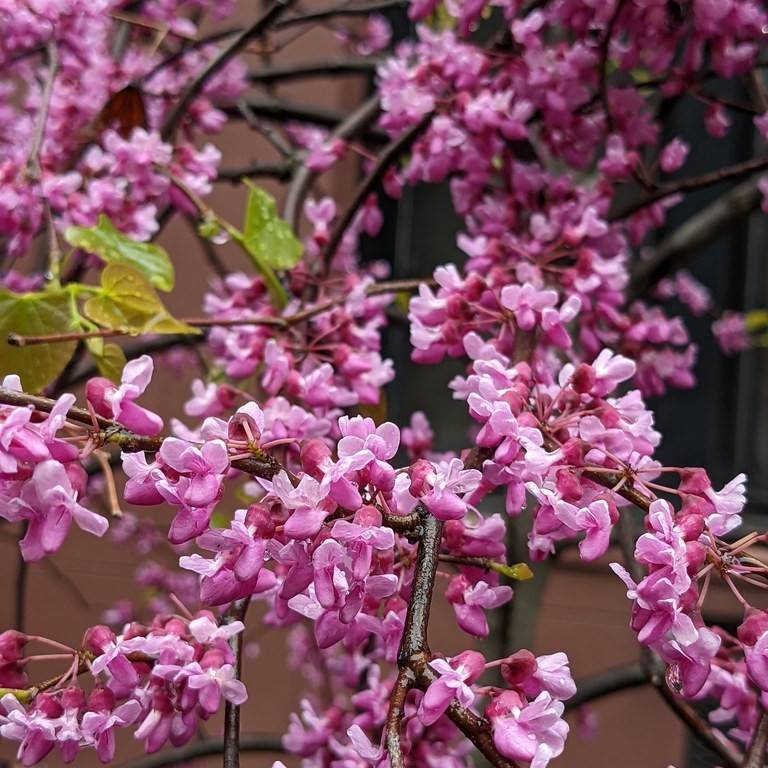
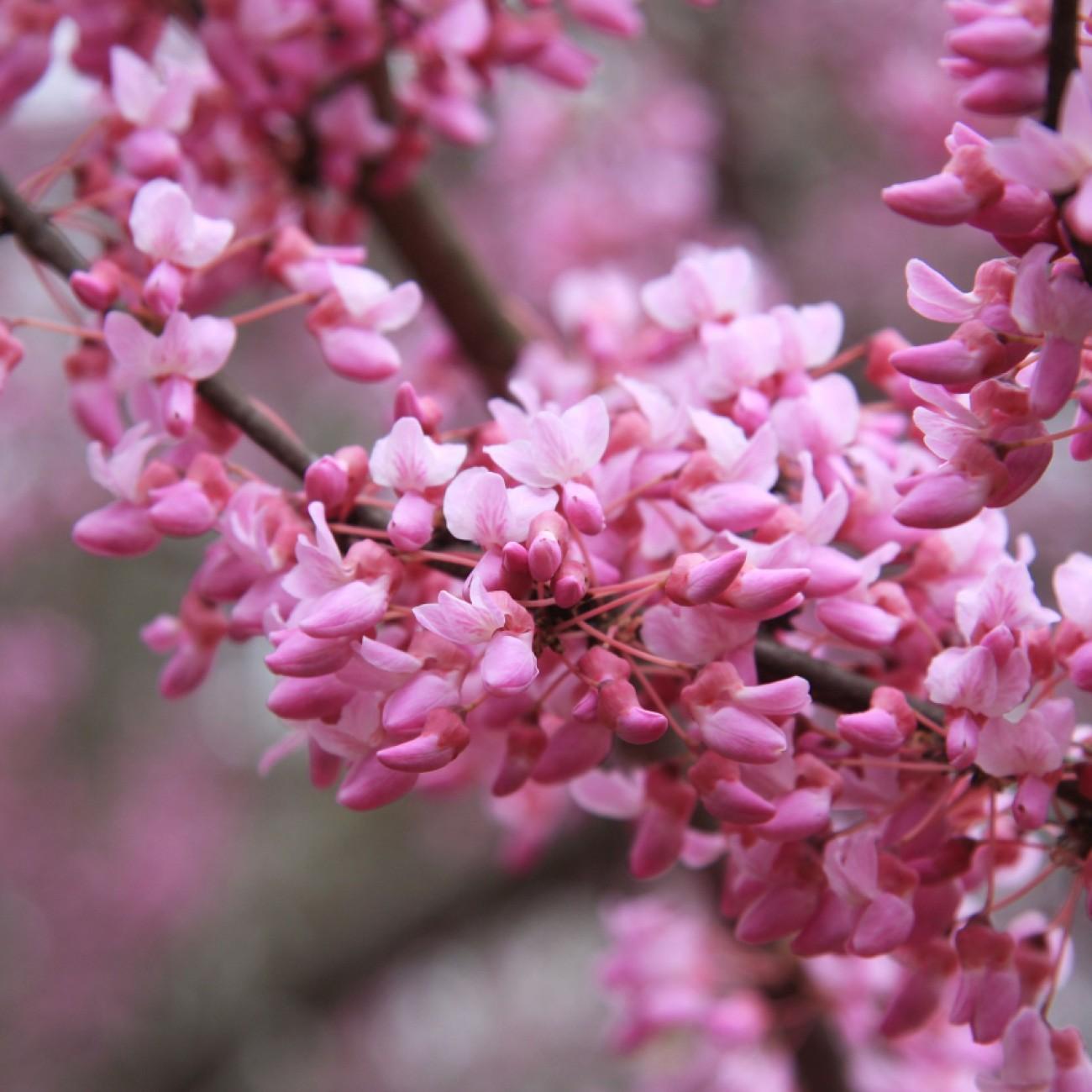
Texas redbud (Cercis canadensis var. texensis 'Oklahoma') is a stunning plant species that is native to the prairies of Texas. Its vivid, deep red buds appear in the early spring providing a captivating contrast to its bright green, heart-shaped foliage. Through fall and winter, Texas redbud expresses its beauty with clusters of pink flowers for all to admire. This hardy shrub provides brilliant color and an interesting structure to any landscape, making it an amazing addition to any garden. Above all, Texas redbud adds a unique sense of character and vibrance that is sure to wow onlookers.
Care Guide
Watering
Texas redbud should be watered immediately after planting with approximately 1 gallon of water. During the first few months after planting, water the plant every 1-2 weeks, with about 1-1.5 gallons of water each time. During the growing season (spring through summer) Texas redbud should be watered regularly, approximately every 5-7 days. During the hottest months, water the plant twice a week with about 1-1.5 gallons of water each time. During the cooler months (fall through winter) Texas redbud should receive less water, approximately once every 1-2 weeks.
Light
Texas redbud (Cercis canadensis var. texensis 'Oklahoma') prefers full sun to partial shade, about 6 to 8 hours of sunlight per day. The tree will tolerate less sunlight, but will not produce as many blooms and may not grow as tall. It is best for this plant variety to be grown in an area with good air circulation. For areas with high summer temperatures, planting trees in a location that will receive some afternoon shade is recommended for best results.
Soil
Humus rich, Well-drained
Temperature
Hardiness zone 5–5.
Pruning
Pruning Texas redbud (Cercis canadensis var. texensis 'Oklahoma') should be done during the early spring before new growth begins. It is best to remove any dead, diseased, or damaged branches or limbs at this time. If your Texas redbud has become overly large, you can prune back some of the branches to reduce its size. This will help maintain the overall shape of the tree. Prune side branches to restore structure, thin the canopy for more light penetration, or provide clearance over structures or pathways. Always prune back no more than 1-third of the total branch structure to avoid over-pruning.
Propagation
Seed Propagation, Grafting Propagation
Uses & Symbolism
Attracts: Butterflies.
Diseases & Pests
Common pests: Canker, sap rot, Scale insects, Wilt.
Related plants
Other plants you might like if you grow Texas redbud.
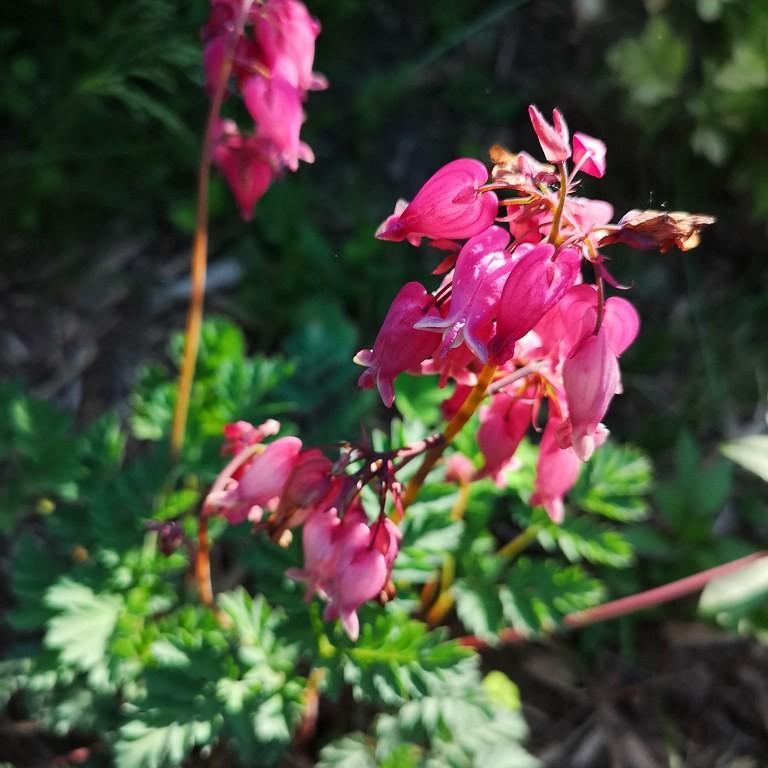
bleeding heart
Dicentra 'Luxuriant'
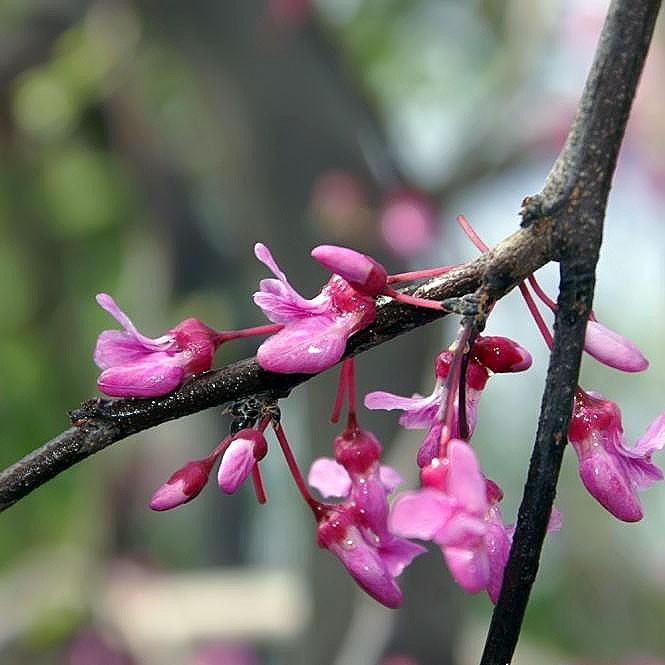
eastern redbud
Cercis canadensis 'Covey'
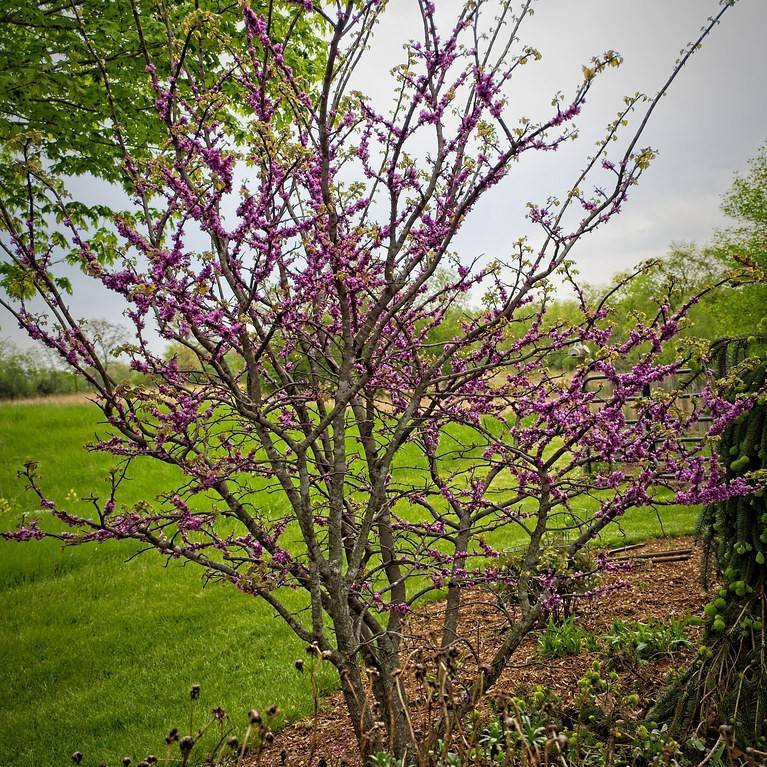
eastern redbud
Cercis canadensis f. alba 'Royal White'
eastern redbud
Cercis canadensis 'JN16' BLACK PEARL
eastern redbud
Cercis canadensis 'JN2' THE RISING SUN
eastern redbud
Cercis canadensis 'NC2016-2' FLAME THROWER
eastern redbud
Cercis canadensis 'Pink Trim' NORTHERN HERALD
eastern redbud
Cercis canadensis 'Tennessee Pink'