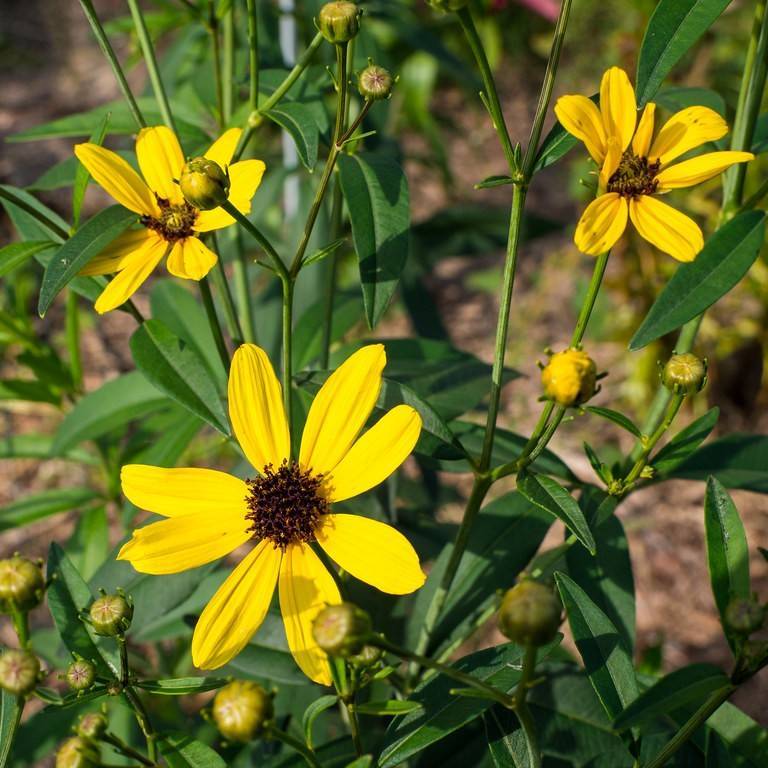
tickseed
Coreopsis tripteris
Overview
Tickseed, also known as Coreopsis tripteris, is a stunning flowering plant species. It boasts yellow-orange blooms atop 3-4 foot tall and 2 foot wide mounds of foliage. The bright colors make it an attractive addition to any property. Deer and other wildlife often find refuge in the leafy mounds of Tickseed, making it a favorite of wildlife gardeners. It is a drought and heat tolerant perennial, so it comes back faithfully each year, and its hardy nature makes it an ideal choice for beginning gardeners. Its long bloom time provides months of cheerful, cheerful blooms for bees and butterflies to enjoy. Tickseed is versatile, carefree, and a great addition for any sunny garden.
Care Guide
Watering
Tickseed should be watered thoroughly once a week during the growing season and allow the top 2 to 3 inches of soil to dry out slightly before watering again. In hot climates, water may be necessary more frequently. During the winter it is important to keep the soil slightly moist, but not wet. Be sure to water at the base of the plant, not the leaves.
Light
Tickseed plants, also known as Coreopsis tripteris, thrive in sunny, warm climates. These plants prefer full sun during the spring and summer months and should receive at least 4-6 hours of direct sunlight each day. Plants growing in slightly shaded areas may produce fewer flowers, but they should still be given plenty of bright, filtered light for best growth. For optimum health and flowering, coreopsis should be grown in full sun from late afternoon until late afternoon the following day. In early autumn or in areas where the temperatures are lower, plants can survive with 4-5 hours of sun per day, but they will need extra fertilizing and watering to ensure that they stay healthy and produce an abundance of blooms.
Temperature
Hardiness zone 3–8.
Pruning
Tickseed should be pruned twice a year, once in early spring and again in mid-summer. In early spring, prune back the entire plant by 2/3 of its height. This will keep it from getting too tall and will encourage fresh new growth. In mid-summer prune the stems to encourage new blooms as well as remove any dead or wilting foliage. Be sure to use clean and sharp pruning shears to avoid damaging the plant.
Propagation
Division, Seed Propagation, Cutting, Layering Propagation
Uses & Symbolism
Attracts: Butterflies.
Guides that mention tickseed
Related plants
Other plants you might like if you grow tickseed.
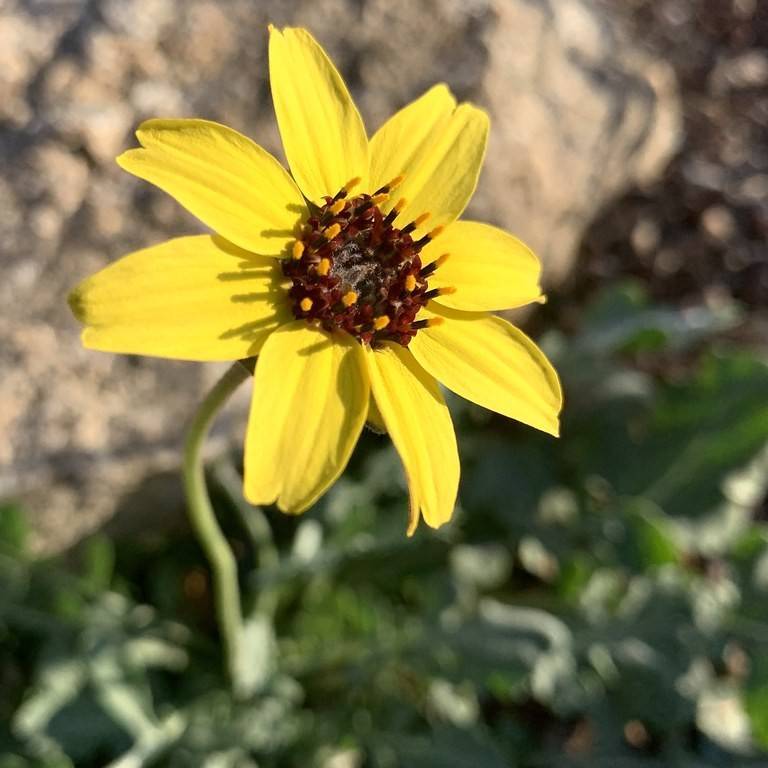
chocolate flower
Berlandiera lyrata
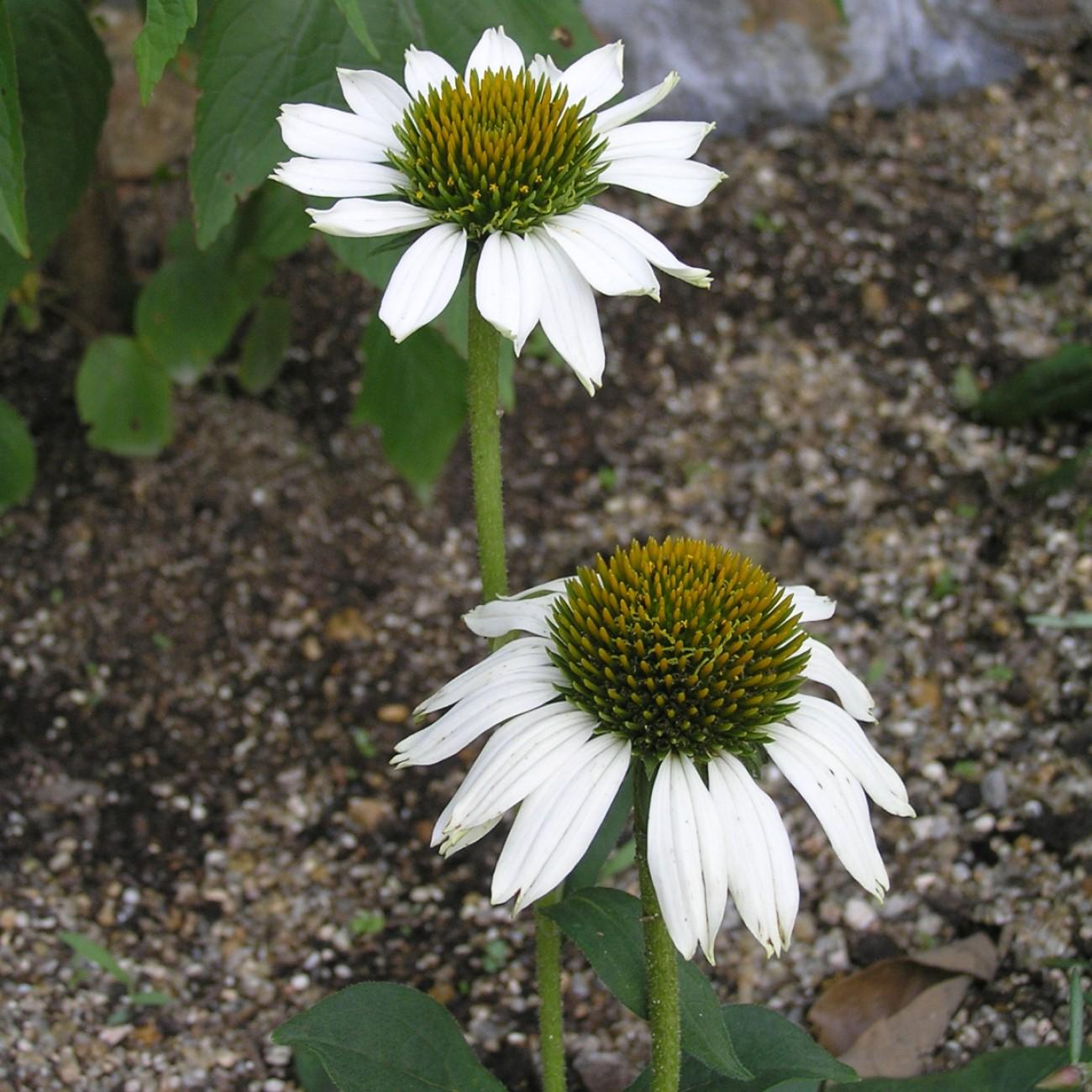
purple coneflower
Echinacea purpurea 'Amado'
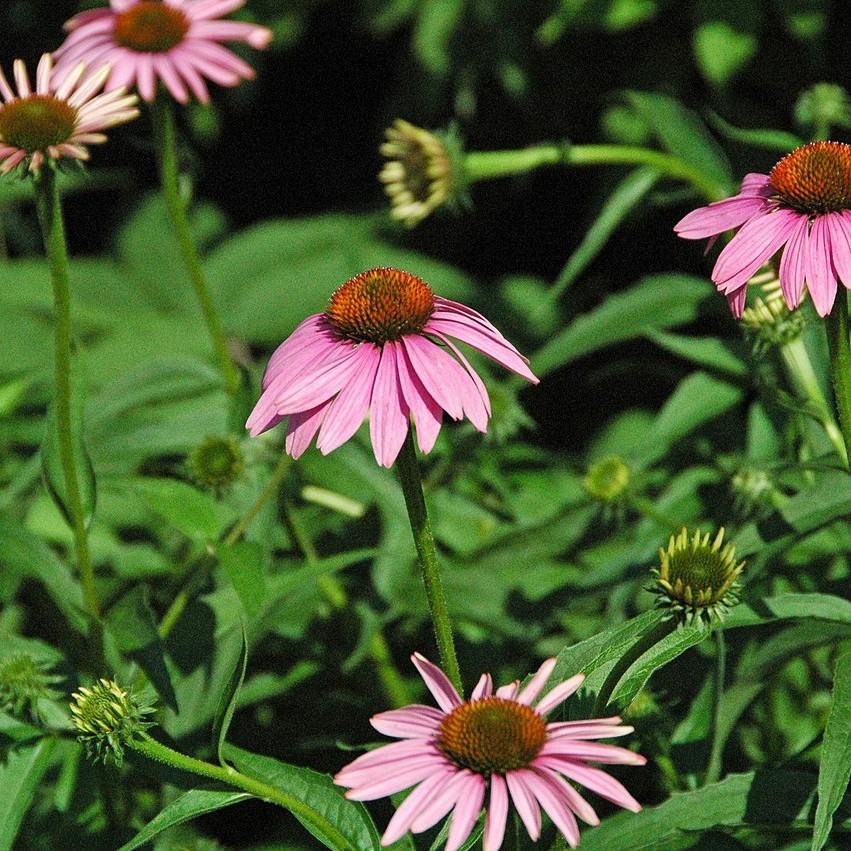
purple coneflower
Echinacea purpurea 'Lilliput'
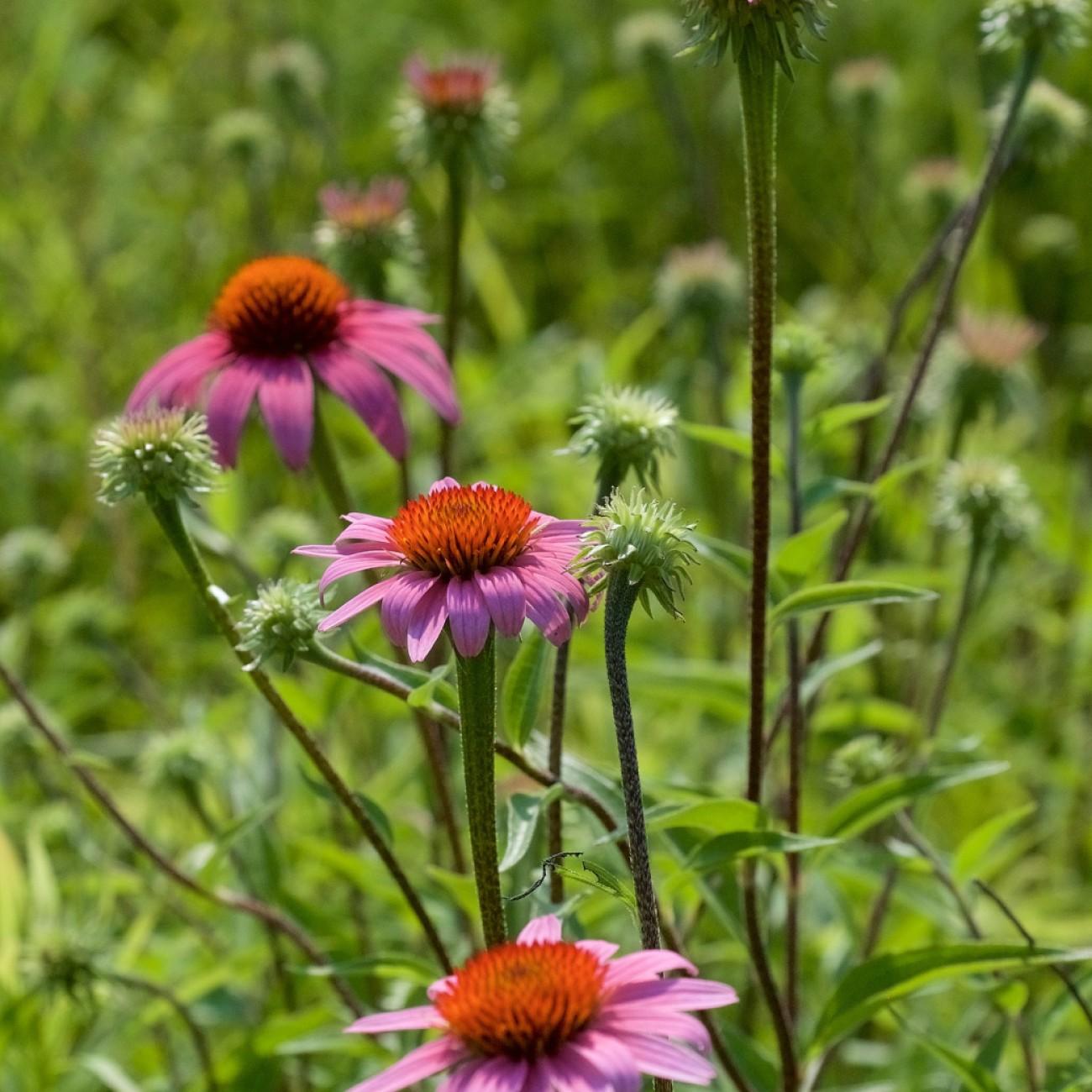
purple coneflower
Echinacea purpurea 'Little Annie'
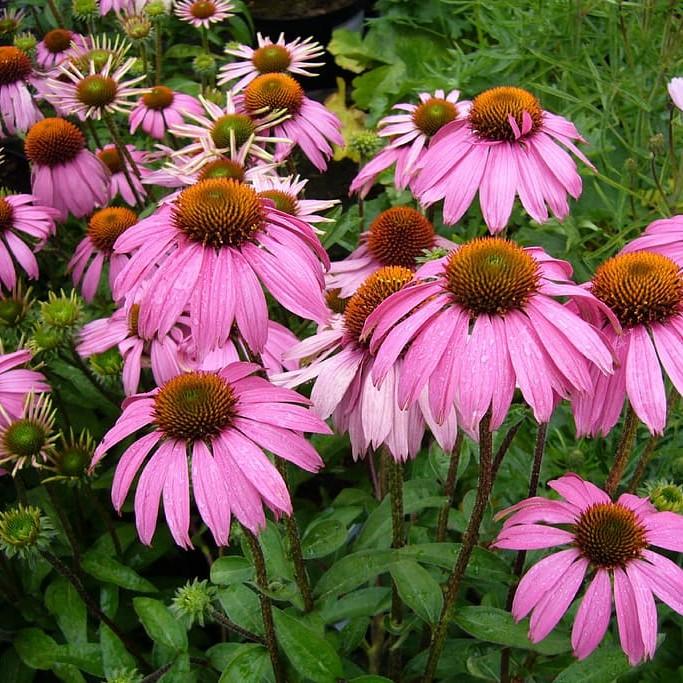
purple coneflower
Echinacea purpurea 'Little Giant'
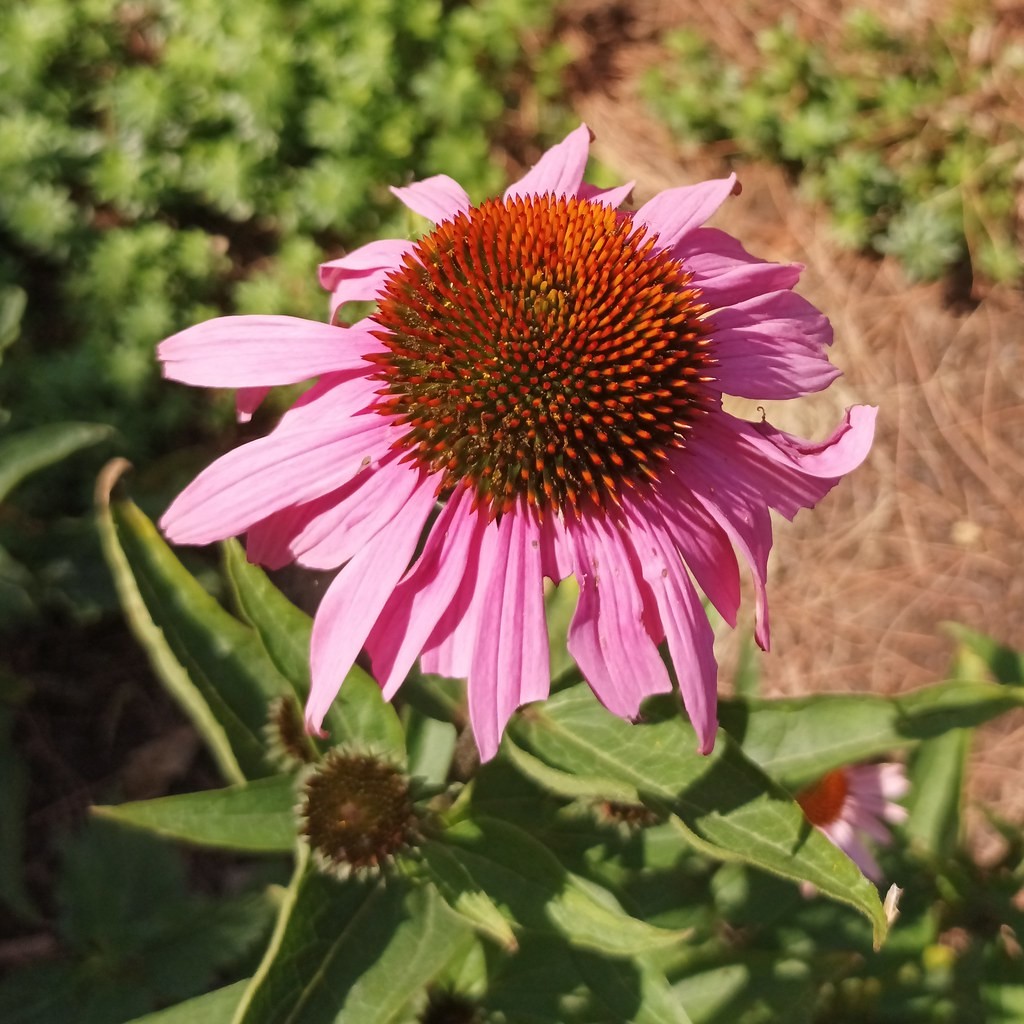
purple coneflower
Echinacea purpurea 'Mistral'
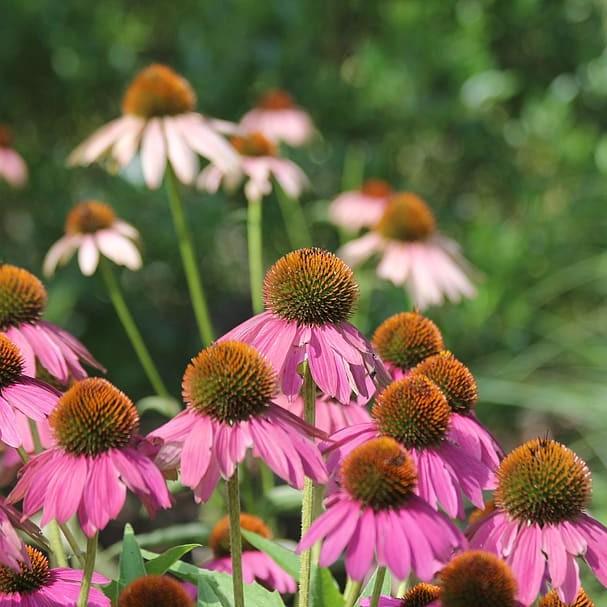
purple coneflower
Echinacea purpurea 'Prairie Frost'
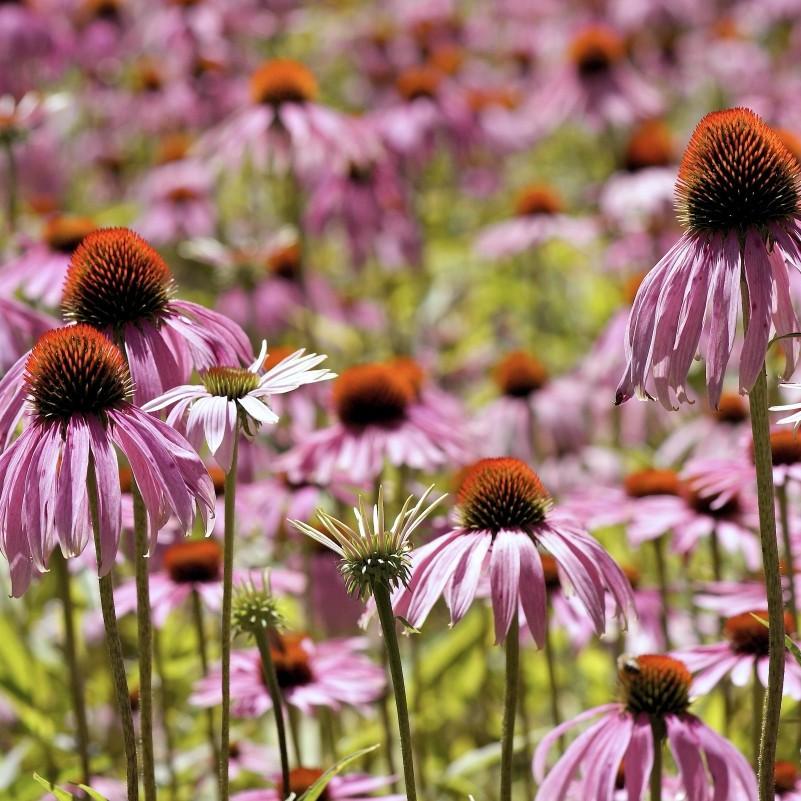
purple coneflower
Echinacea purpurea 'Prairie Giant'