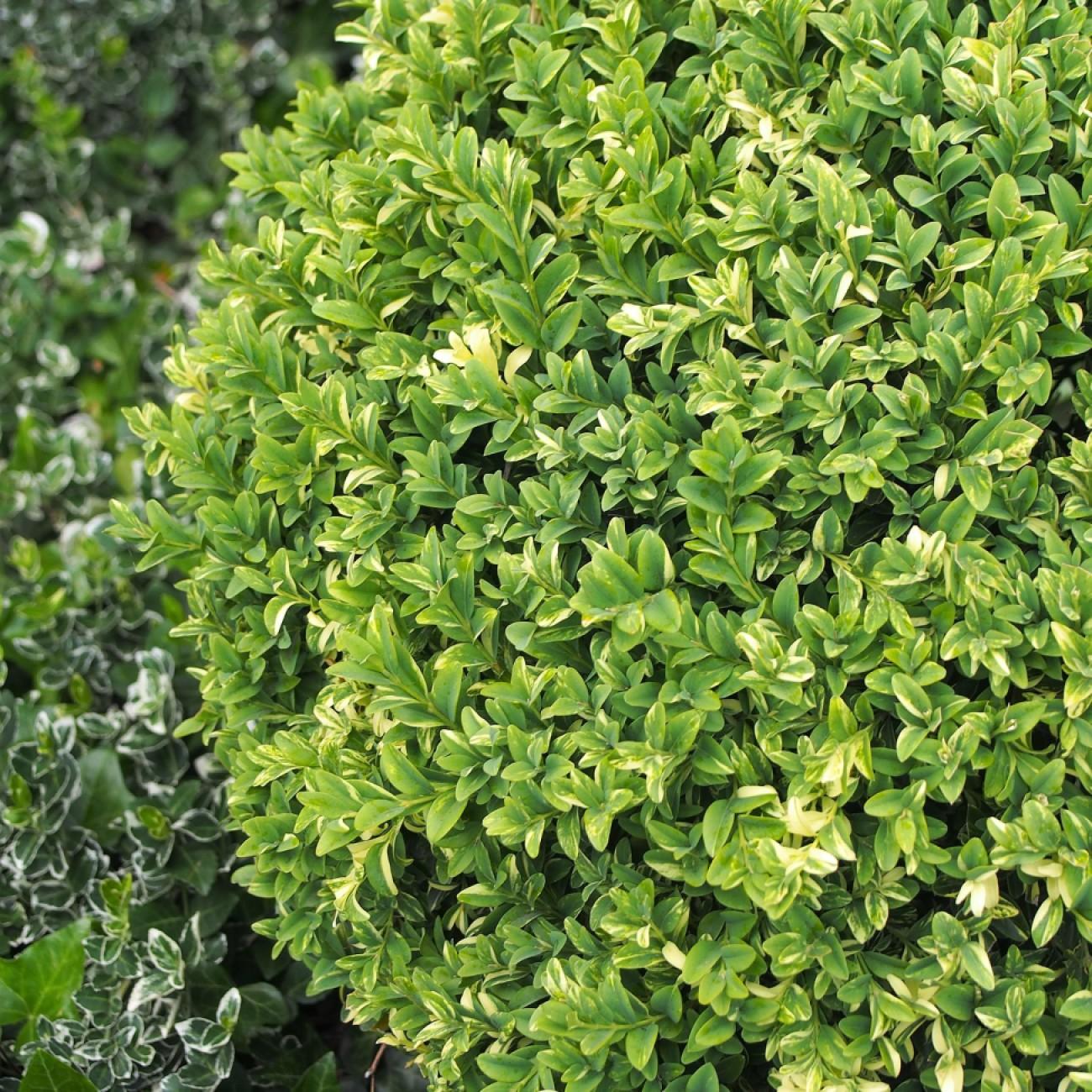
boxwood
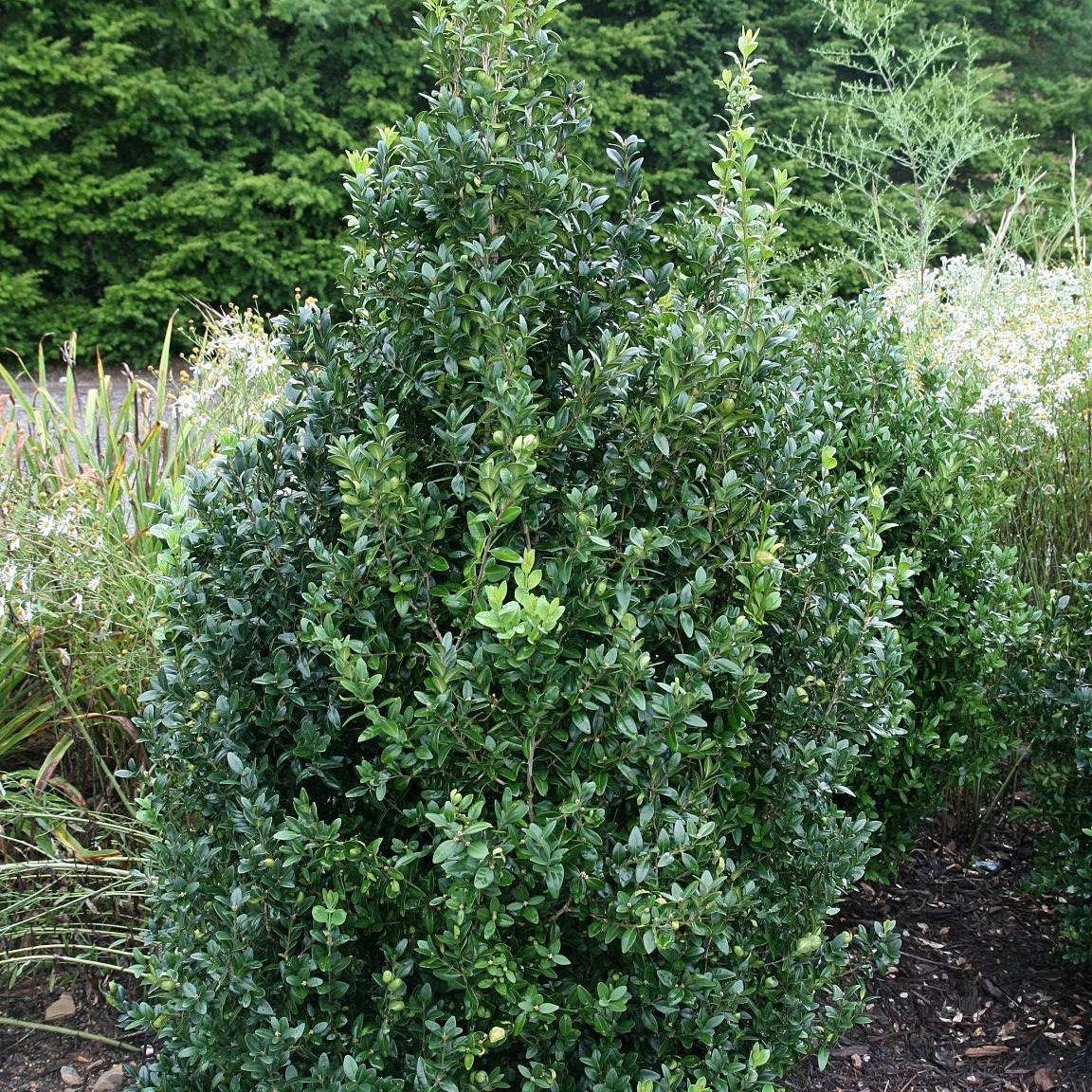
Buxus sempervirens 'Joy'
Overview
The Boxwood (Buxus sempervirens 'Joy') is an amazing plant species for many reasons. It's an evergreen shrub that generally grows to a height of 4-6 feet and produces clusters of small, fragrant white flowers that lasts from late spring through early summer. Its glossy green leaves remain on the shrub during all seasons, making it a very attractive ornamental. It's easy to maintain, requiring no pruning or special care, and is categorized as relatively drought tolerant. It's highly resistant to common pests and diseases, making it a great choice for gardeners looking for a reliable, hardy plant. It's also frequently used in topiary as it maintains its shape easily and grows in dense patches. Make Joy your go-to choice for a low-maintenance, evergreen addition to any garden.
Care Guide
Watering
Boxwood (Buxus sempervirens 'Joy') should be watered regularly during its first growing season when getting established. Water deeply to ensure that the entire root system is getting access to moisture. Aim for at least 1 inch of water per week throughout summer, especially when rainfall is low. Allow the soil to dry slightly in between waterings and water only when there is not significant rainfall. During winter, water much less frequently, only when soil becomes completely dry. If temperatures start to drop below freezing, water the plant only very lightly.
Light
Boxwood (Buxus sempervirens 'Joy') plants require full to partial sun, and should be grown outdoors in zones 6 to 9. When planting in the garden, it's best to choose a spot that gets at least 6 hours of direct sunlight for optimal growth and vigor. For plants grown indoors, a sunny window may provide enough light. If the boxwood does not get enough light, it may become too tall and leggy. During hot summer months, it is best to shield the plant from mid-day and afternoon sun to help prevent scorching of the foliage. It may also be beneficial to move the plant to a location with some afternoon shade during the summer.
Soil
Alkaline, Well-drained
Temperature
Hardiness zone 5–8.
Pruning
Boxwood (Buxus sempervirens 'Joy') should be pruned twice a year for optimum health. The amount of pruning depends on how formal of a shape you are looking to achieve and the type of growth you are dealing with. For example, hedges will require more pruning to maintain a straight line than lone-standing specimens. Typically it is best to do light pruning in early spring and then heavier pruning in late summer. In the early spring, when new growth starts to emerge, dead or damaged branches should be removed. During the late summer, when growth is at its peak, heavier pruning or shaping can be done without having to worry about damaging the plants. Always prune boxwood strategically, trying to avoid cutting too closely to the center of the plant or cutting entire branches off.
Propagation
Greenwood Cuttings, Grafting Propagation
Diseases & Pests
Common pests: Dieback, Leaf miner insect, Whitefly, psyllids, Disease resistant, Deer resistant, Rabbit resistant, Drought resistant .
Related plants
Other plants you might like if you grow boxwood.
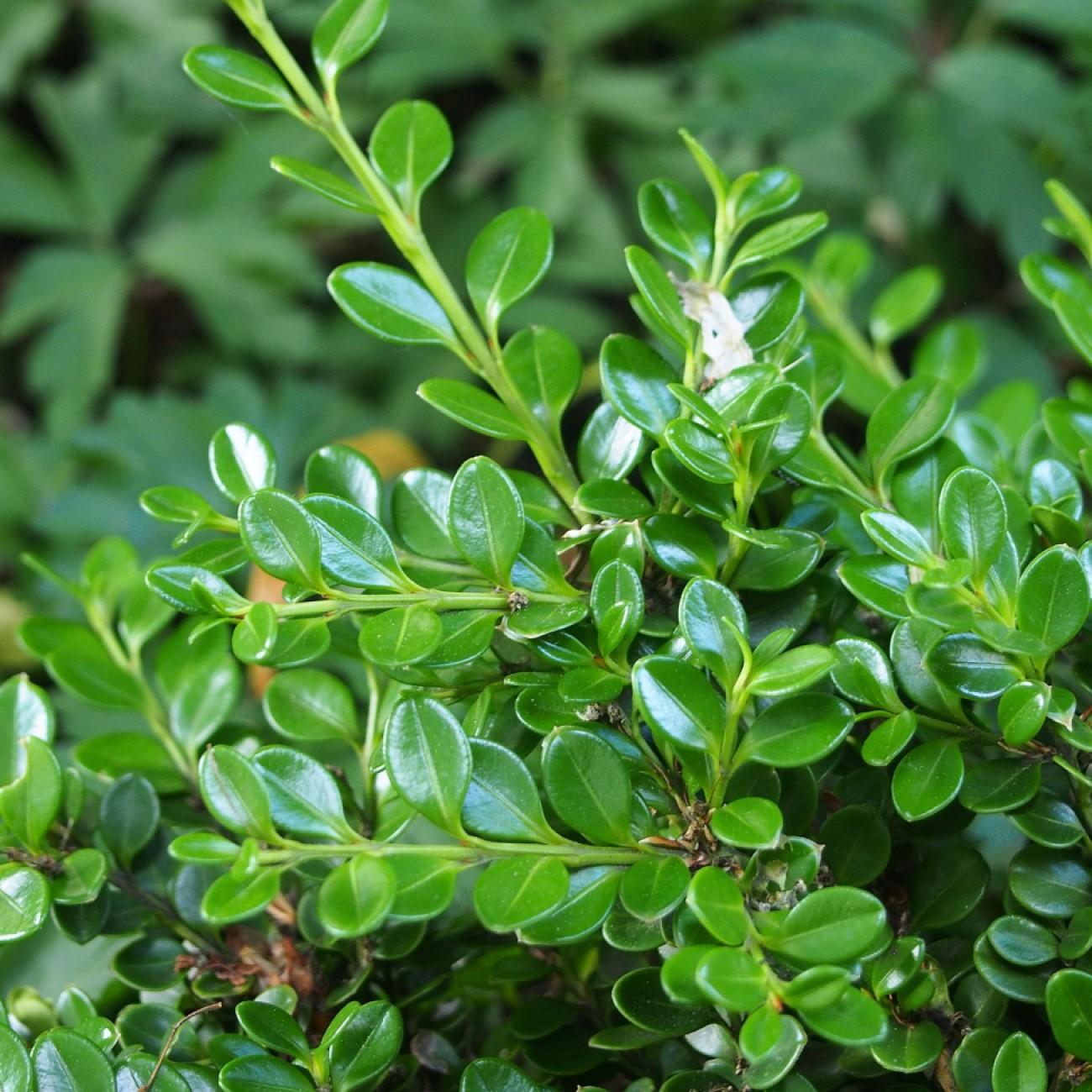
boxwood
Buxus microphylla 'Apple Green'
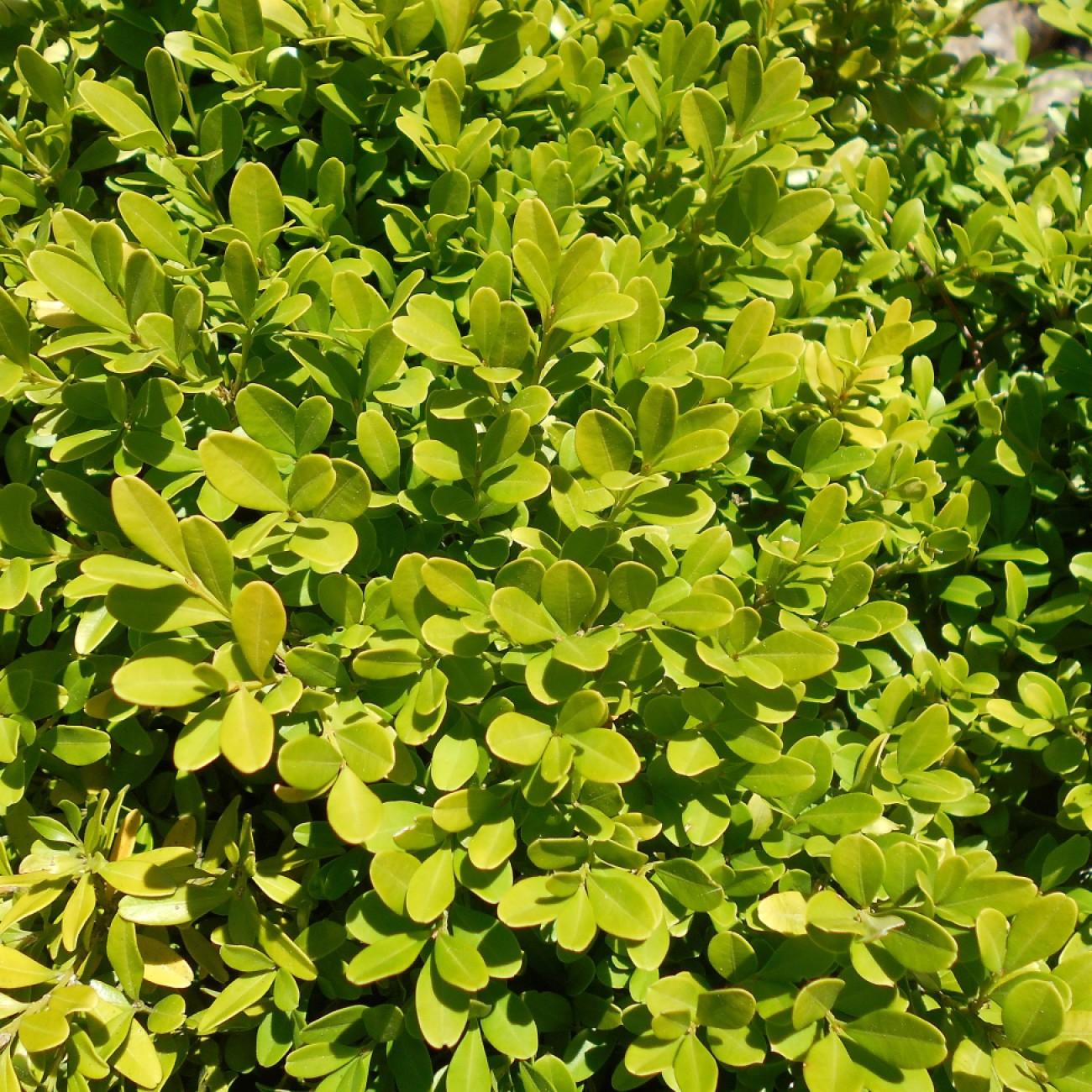
boxwood
Buxus microphylla 'Compacta'
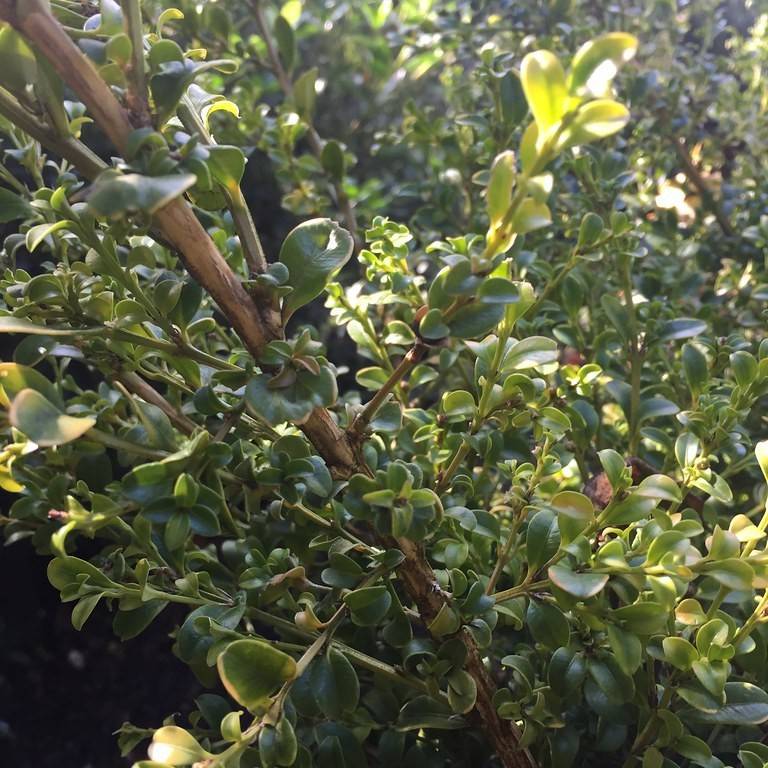
boxwood
Buxus microphylla 'Curly Locks'
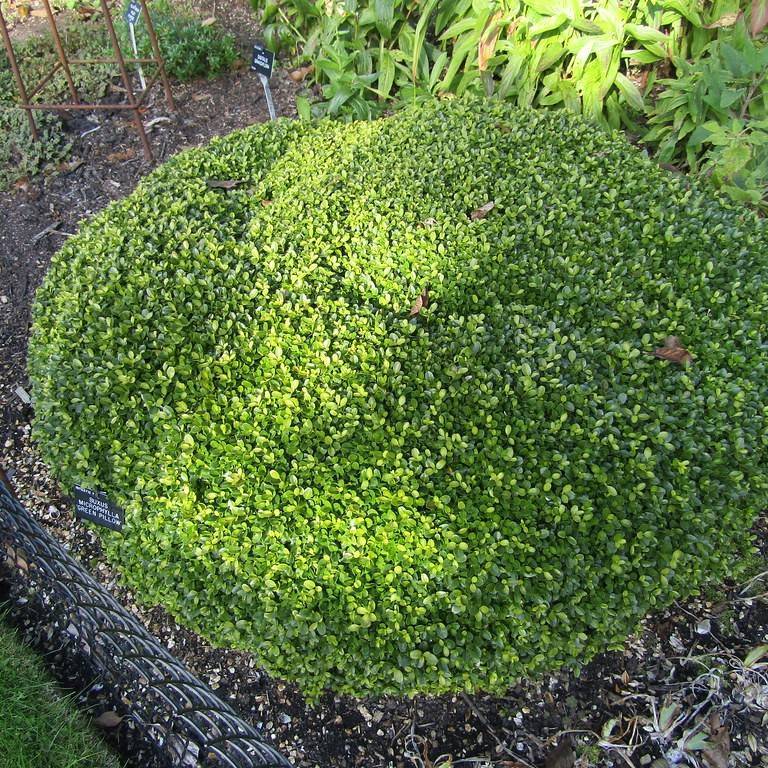
boxwood
Buxus microphylla 'Green Pillow'
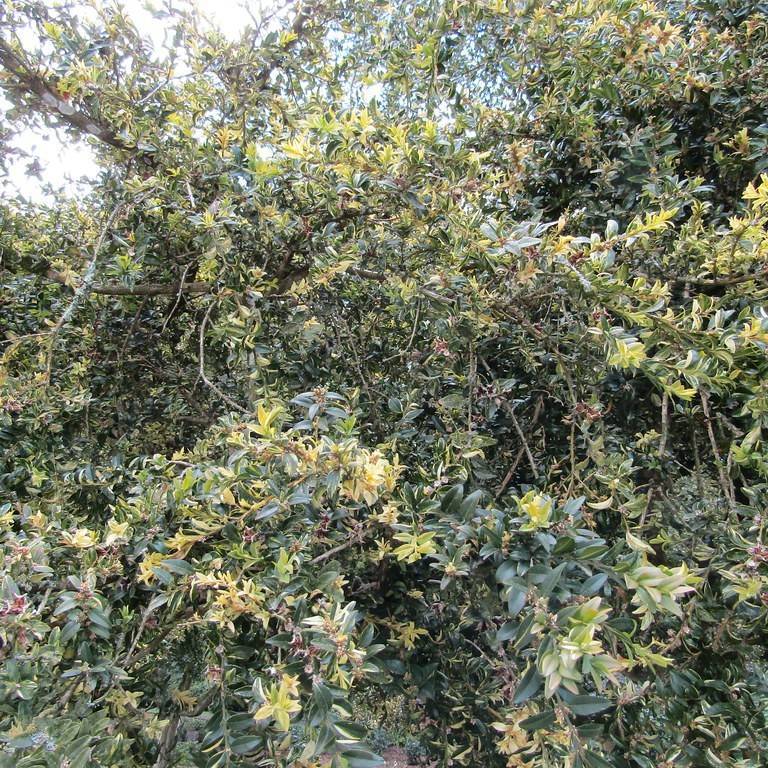
boxwood
Buxus sempervirens 'Aurea Pendula'
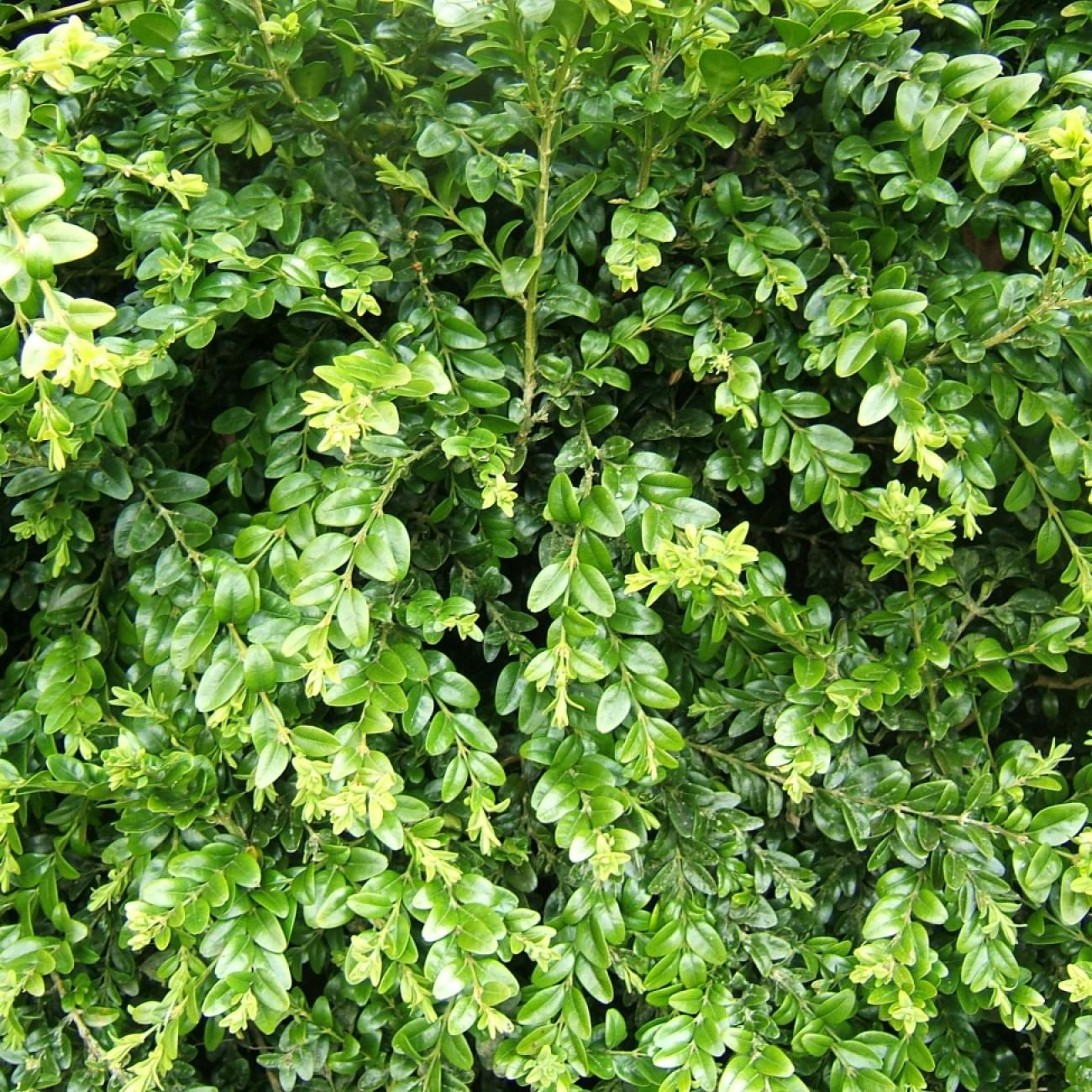
boxwood
Buxus sempervirens 'Chloe'
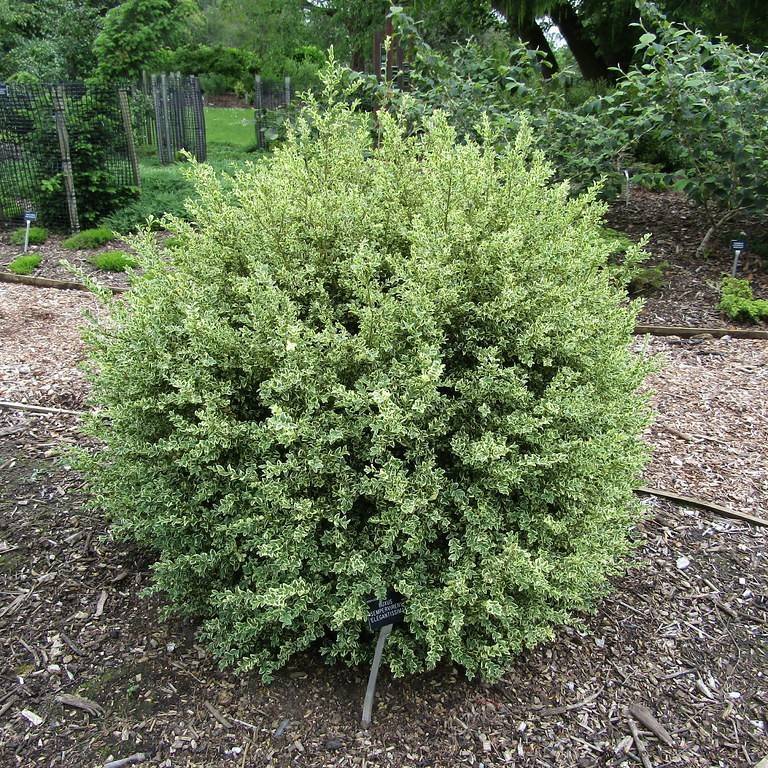
boxwood
Buxus sempervirens 'Elegantissima'
boxwood
Buxus sempervirens 'Fastigiata'