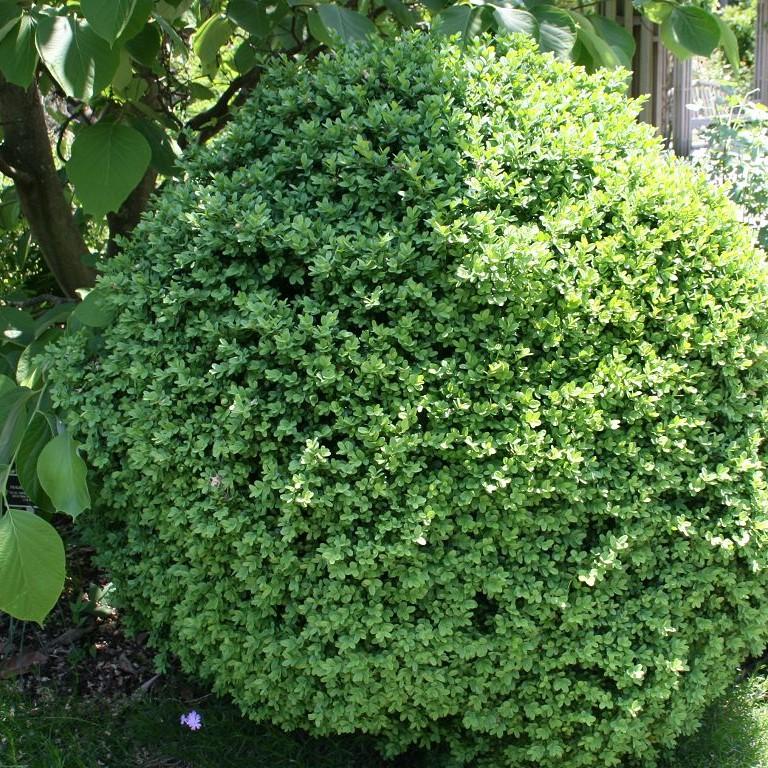
boxwood
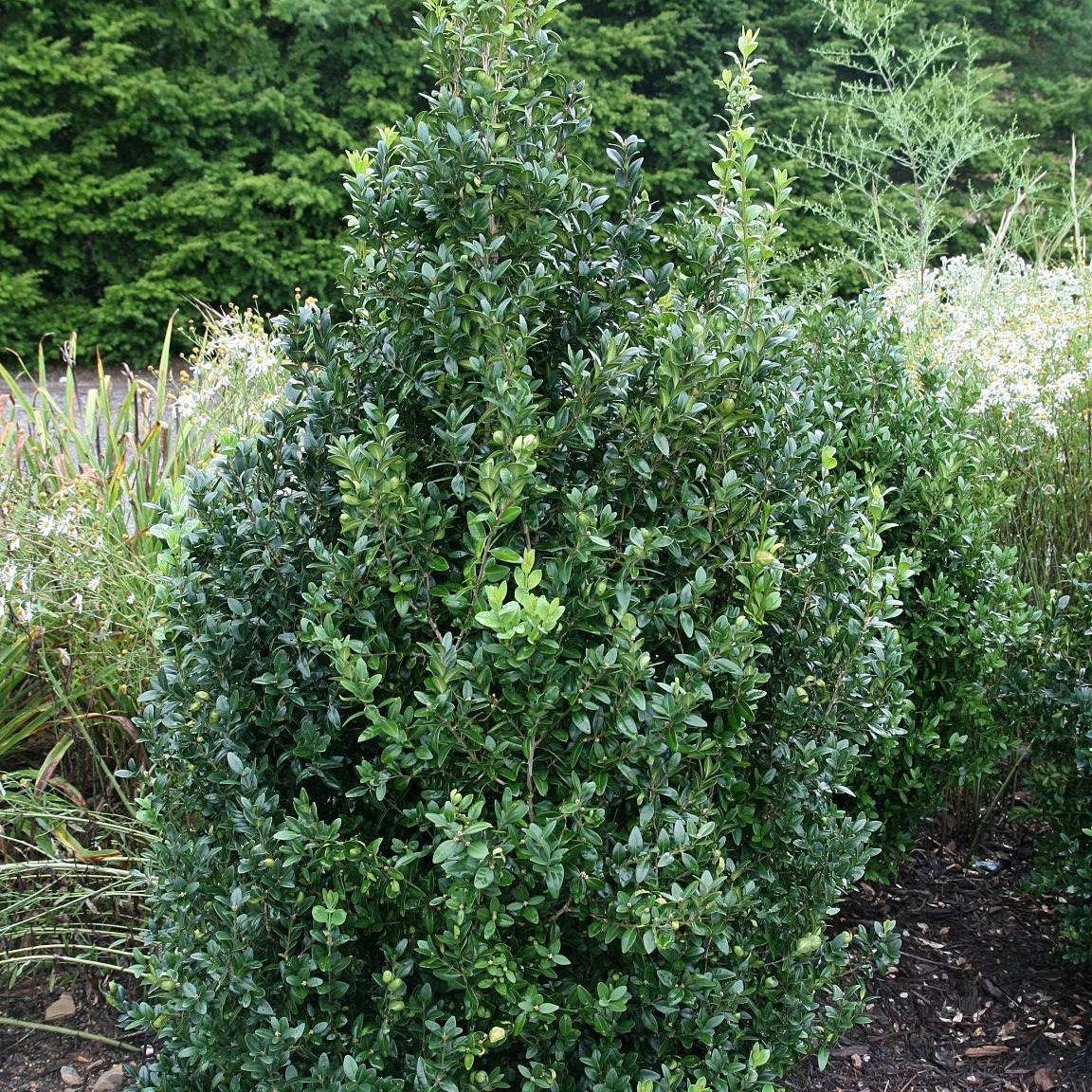
Buxus sempervirens 'Natchez'
Overview
Boxwood (Buxus sempervirens 'Natchez') is an amazing ornamental evergreen shrub. Its tight, glossy green leaves make it a wonderful backdrop in your garden, or a perfect border in your yard. It's a hardy plant, able to withstand shade, drought, and a wide range of temperatures. It's an excellent choice for bonsais, topiaries, and hedges. And with its vigorous growth, you can keep it trimmed to any size or shape you desire. An added bonus is that boxwood is practically maintenance free. Plant this versatile shrub in any garden and enjoy its year-round beauty.
Care Guide
Watering
Boxwood (Buxus sempervirens 'Natchez') should be watered thoroughly when the soil appears dry. Water about every 7-10 days during the summer, allowing the soil to dry out a little between watering. In winter, however, watering should be reduced, as boxwoods are semi-dormant and need less water. In the cooler months, water about every 14-21 days. Always check the soil before watering, as overwatering can lead to root rot.
Light
Boxwood (Buxus sempervirens 'Natchez') grows best in full sun to part shade. At least 6 hours of direct sunlight are recommended for optimal growth. However, too much sunlight can cause burning and may stunt growth. In regions with hot summers, afternoon shade is beneficial. Boxwood are broadleaf evergreens that do best in cooler climates. In warmer areas, they should be provided with some form of shade.
Soil
Alkaline, Well-drained
Temperature
Hardiness zone 5–8.
Pruning
Boxwood (Buxus sempervirens 'Natchez') is best pruned during the late spring season, when the new growth has just begun to appear. The severity of pruning depends on the desired shape of the boxwood and how much it needs to be thinned, so it is important to be conservative with pruning at first to achieve the desired result. When pruning, it is important to remove dead, damaged or diseased branches to promote healthy growth. When thinning out the plant, no more than 1 third of the hedge should be pruned away, or the remaining branches will be too sparse and subjected to sunscald. To prevent the boxwood from becoming too tall or wide, tip-prune the lateral branches and shorten the branches on the top of boxwood to desired lengths. To maintain a desired shape, prune the sides of the boxwood to the desired shape or size.
Propagation
Greenwood Cuttings, Grafting Propagation
Diseases & Pests
Common pests: Dieback, Leaf miner insect, Whitefly, psyllids, Disease resistant, Deer resistant, Rabbit resistant, Drought resistant .
Related plants
Other plants you might like if you grow boxwood.
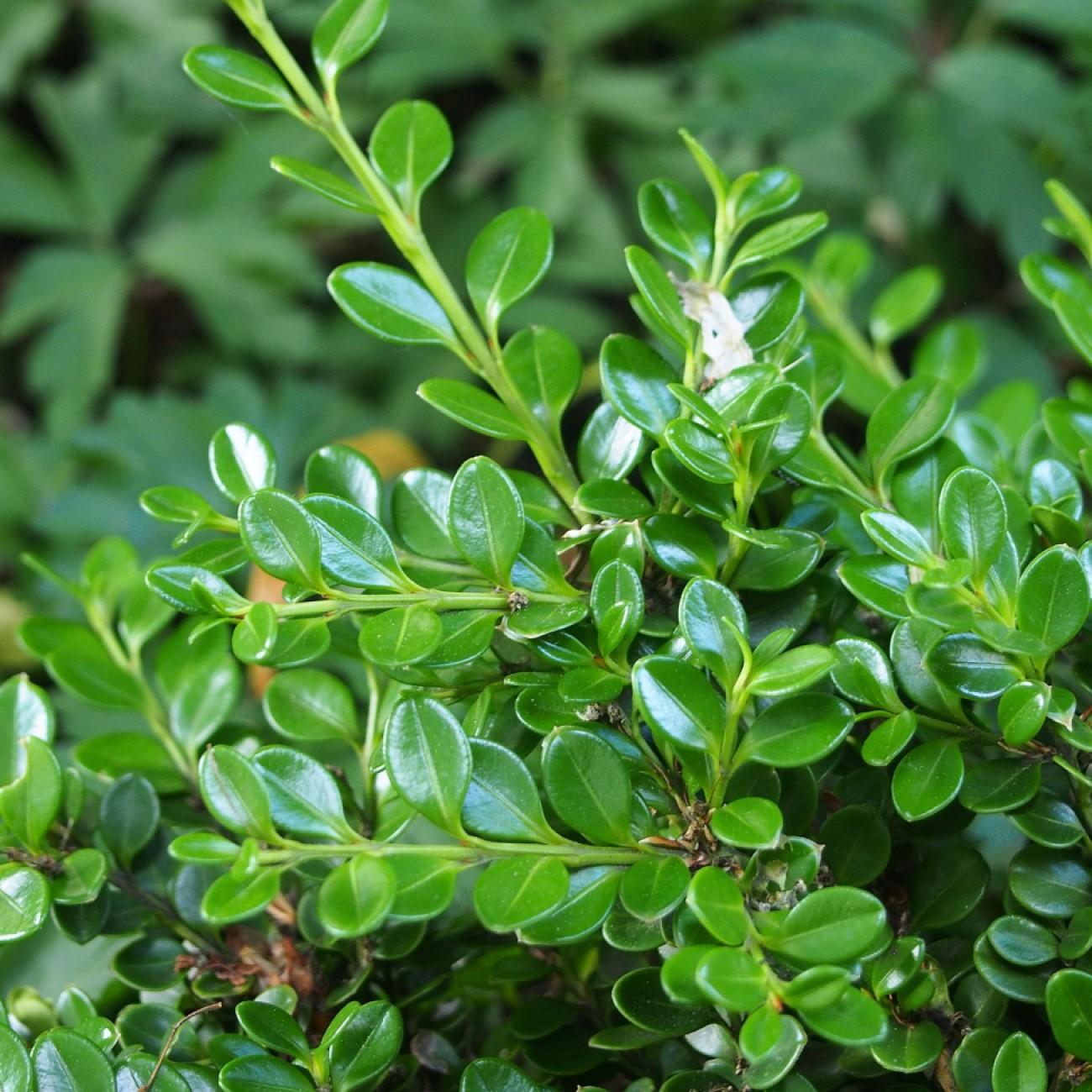
boxwood
Buxus microphylla 'Apple Green'
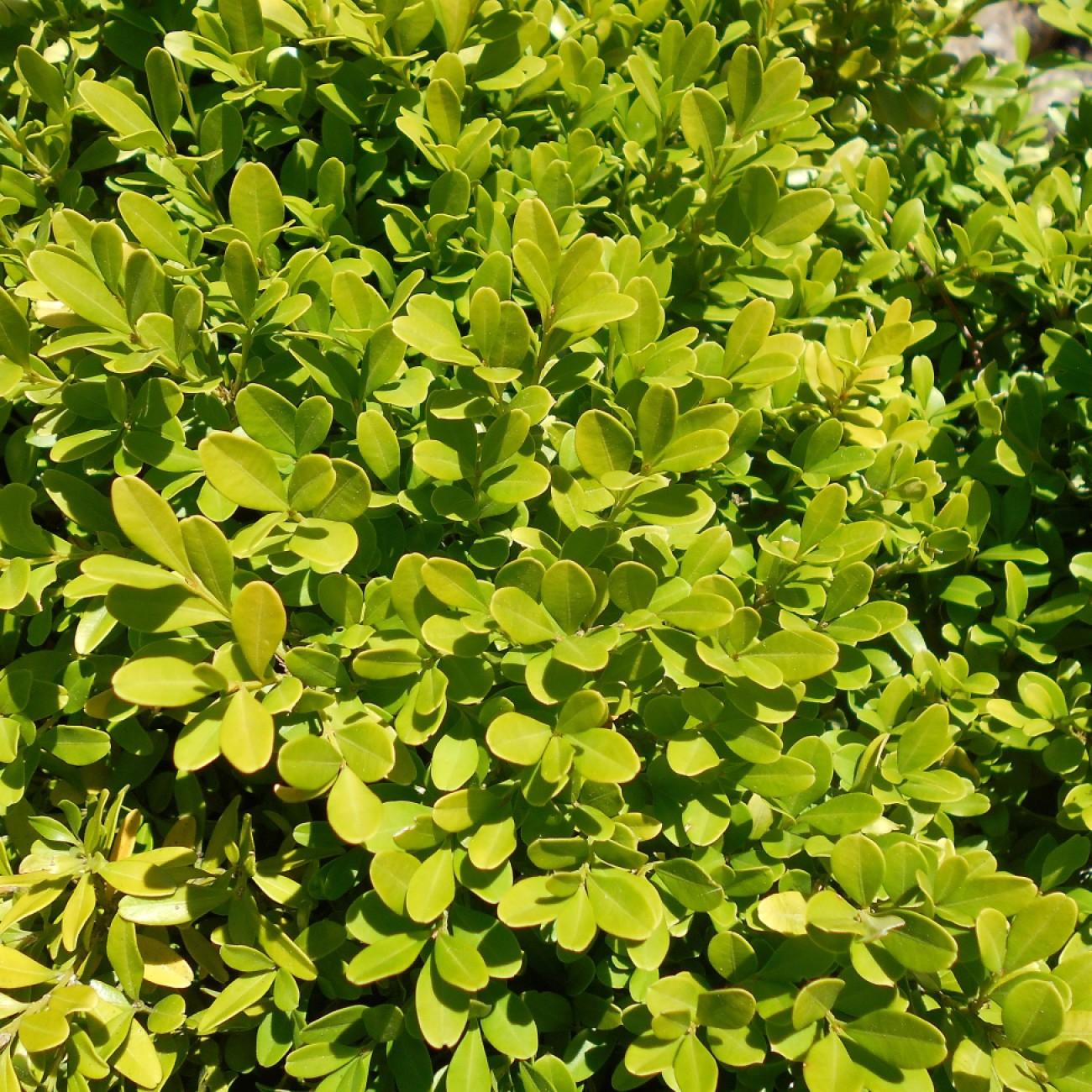
boxwood
Buxus microphylla 'Compacta'
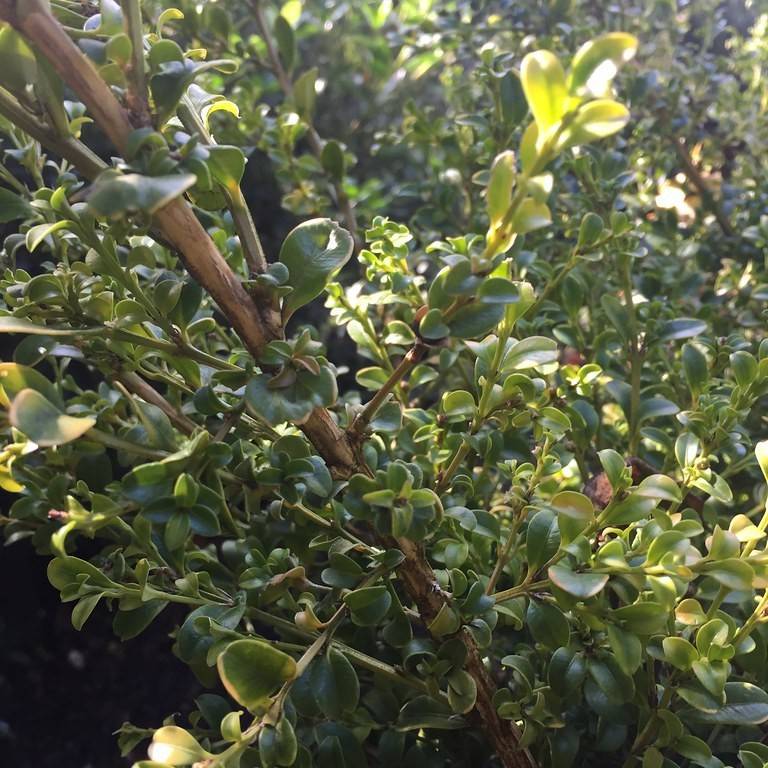
boxwood
Buxus microphylla 'Curly Locks'
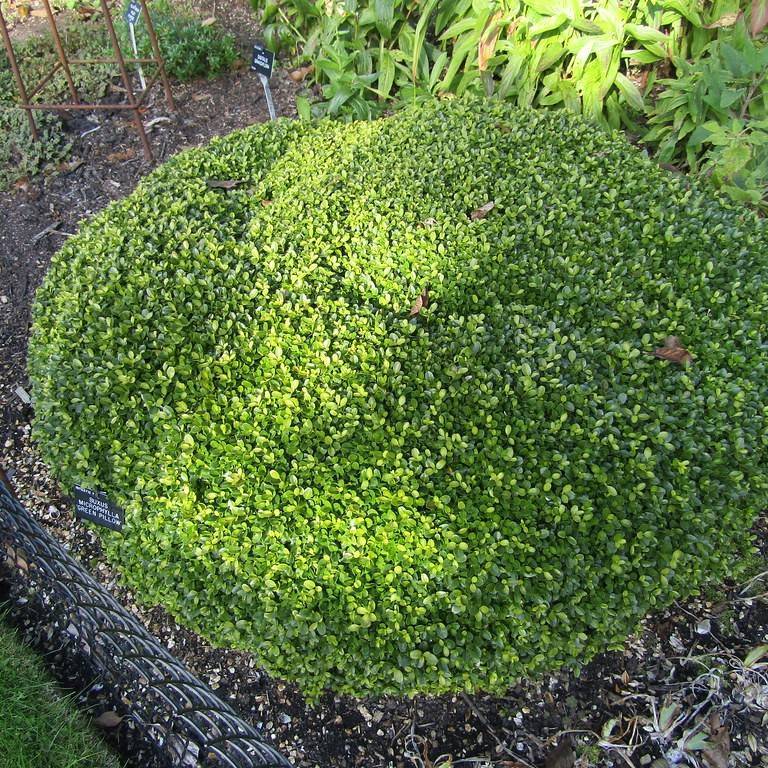
boxwood
Buxus microphylla 'Green Pillow'
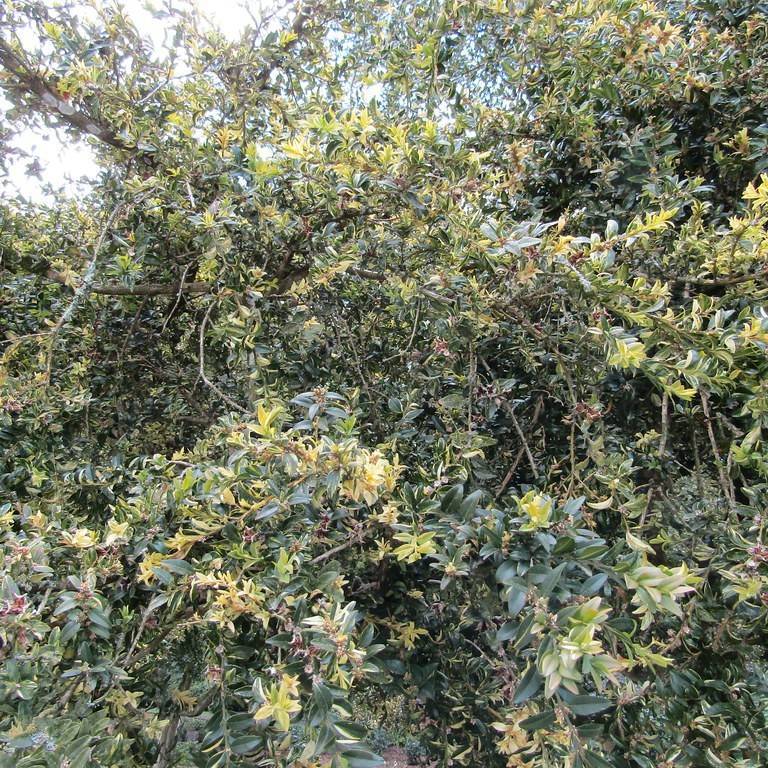
boxwood
Buxus sempervirens 'Aurea Pendula'
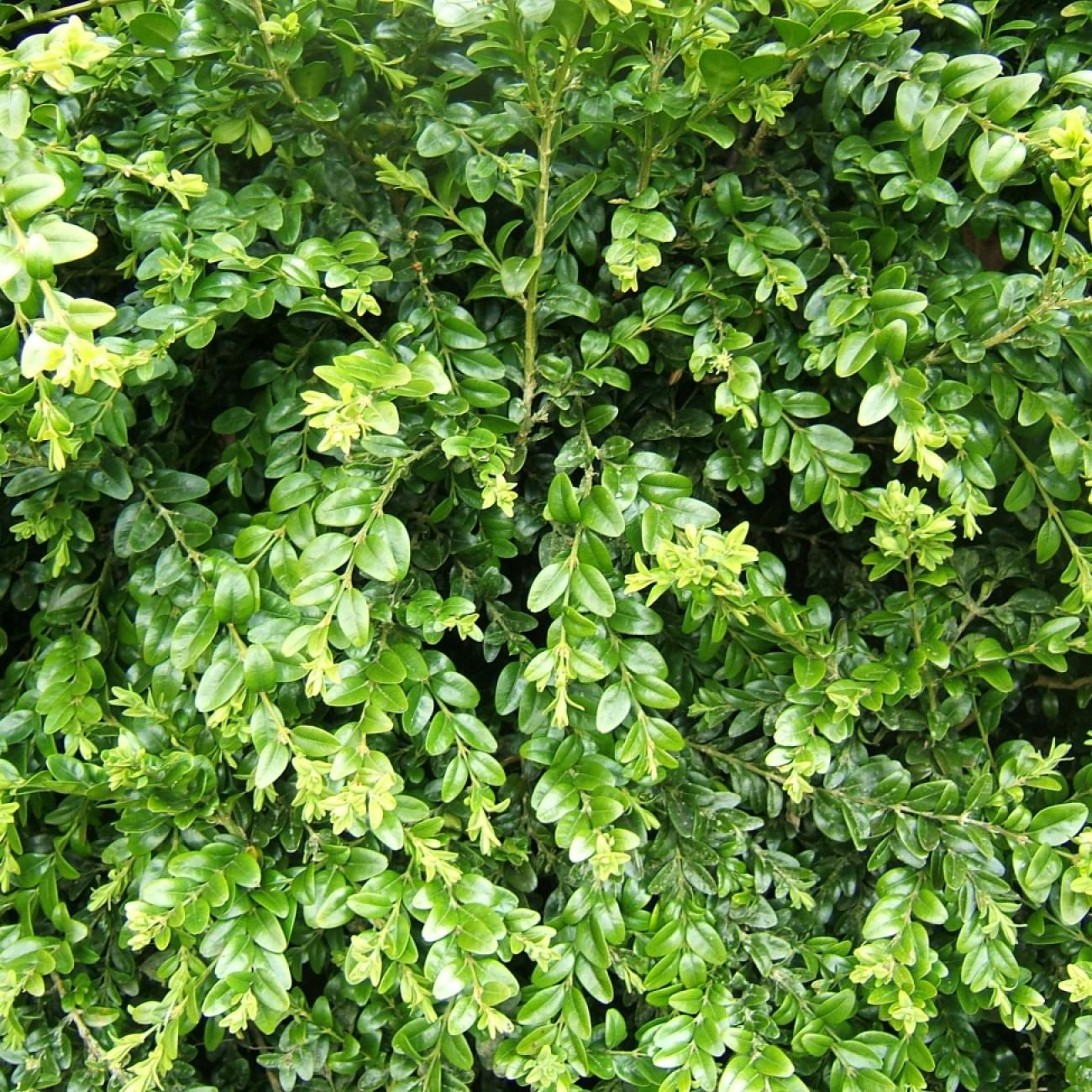
boxwood
Buxus sempervirens 'Chloe'
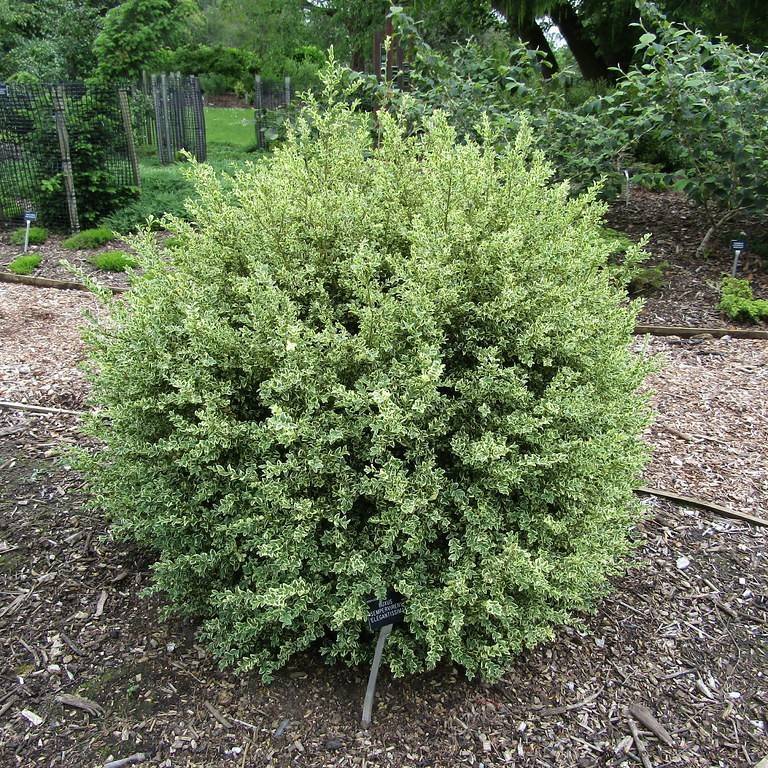
boxwood
Buxus sempervirens 'Elegantissima'
boxwood
Buxus sempervirens 'Fastigiata'