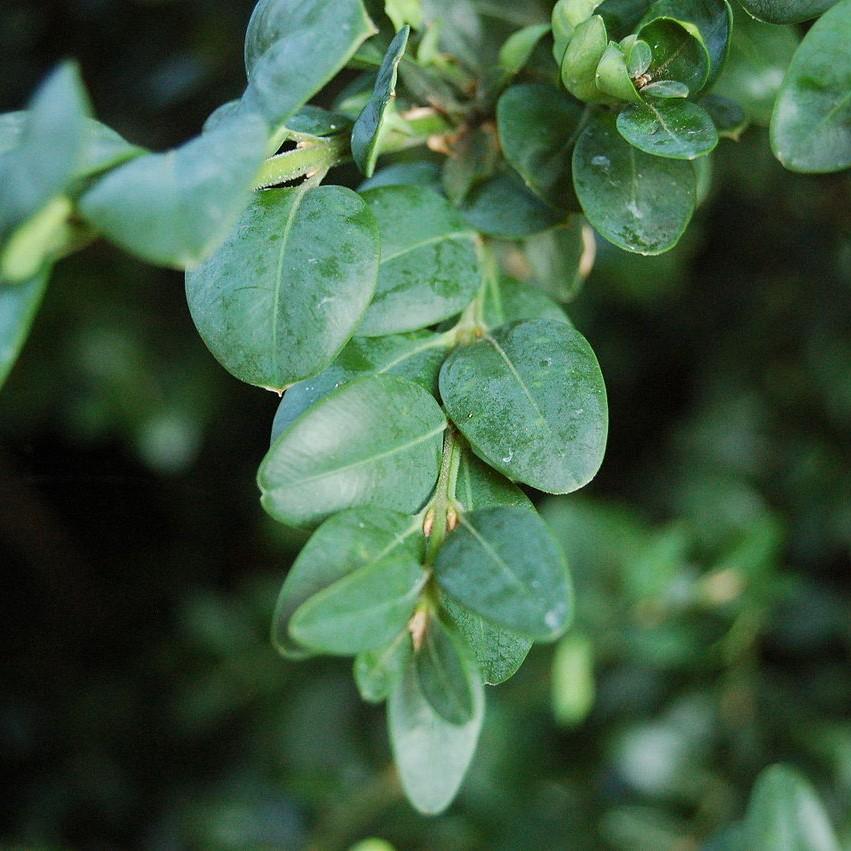
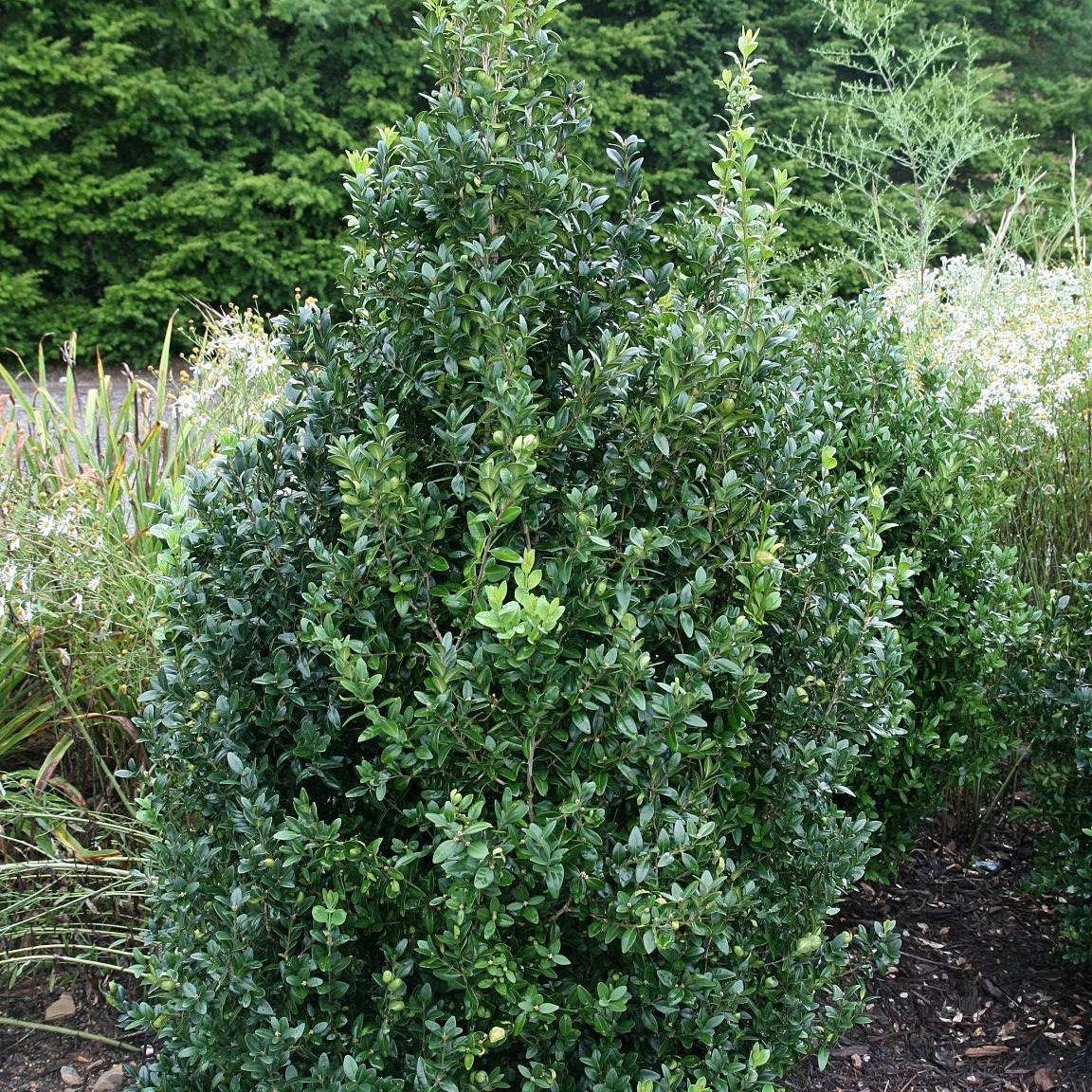
boxwood
Buxus sempervirens 'Vardar Valley'
Overview
Boxwood (Buxus sempervirens 'Vardar Valley') is an excellent plant species for making hedges and topiaries. It is a hardy evergreen shrub, able to survive in a wide variety of climates from humid to dry, coastal to inland. It grows best in full sun and well-drained soil. Its rich green foliage and dense compact shape make it an attractive addition to any landscape. The 'Vardar Valley' variety is particularly low-maintenance and resistant to common boxwood pests. It is fast-growing, easy to maintain, and makes an excellent hedge for small and medium-sized gardens. With proper care, it will look just as great in 20 years as it did at planting. Boxwood is an ideal choice for those wanting a low-maintenance and beautiful hedge or topiary.
Care Guide
Watering
Boxwood (Buxus sempervirens 'Vardar Valley') should be watered every 1-2 weeks. The amount of water depends on the environment and the size of the plant. During the summer months, water deeply and thoroughly enough that the soil is slightly moist, but not soggy. In the winter, water less frequently, usually every 2 weeks. Check the soil both to ensure that it is damp but not extremely wet. Err on the side of caution; too much water can cause root rot.
Light
The boxwood (Buxus sempervirens 'Vardar Valley') prefers a spot in full sun, but can tolerate partial shade. They require at least 4 hours of direct sunlight per day, especially in areas with hot summers. Morning sun is best – too much late afternoon sun can cause the leaves to scorch. In winter, boxwoods may require less sun, especially if temperatures drop near freezing. Too little sunlight can cause a boxwood to become "leggy," or stretch towards the light. Also, too much shade can cause the shrub to be prone to disease.
Soil
Alkaline, Well-drained
Temperature
Hardiness zone 5–8.
Pruning
Boxwood (Buxus sempervirens 'Vardar Valley') should be pruned twice a year, typically in the spring and in the late summer or autumn. During the spring, prune only lightly to shape and to remove any dead or damaged stems. This is the time to also reduce the overall size of the plant if needed. In late summer or autumn, prune more heavily to prepare the plant for winter. Be aware that too much pruning in late summer can discourage fall growth of the boxwood, so be sure to check for new growth before undertaking heavier pruning. When pruning, try to cut back to a nearby set of buds as this is the area where new growth will come from. Also, remember to sanitize pruning tools after each cut to avoid transferring any disease or pests from 1 plant to another.
Propagation
Greenwood Cuttings, Grafting Propagation
Diseases & Pests
Common pests: Dieback, Leaf miner insect, Whitefly, psyllids, Disease resistant, Deer resistant, Rabbit resistant, Drought resistant .
Related plants
Other plants you might like if you grow boxwood.
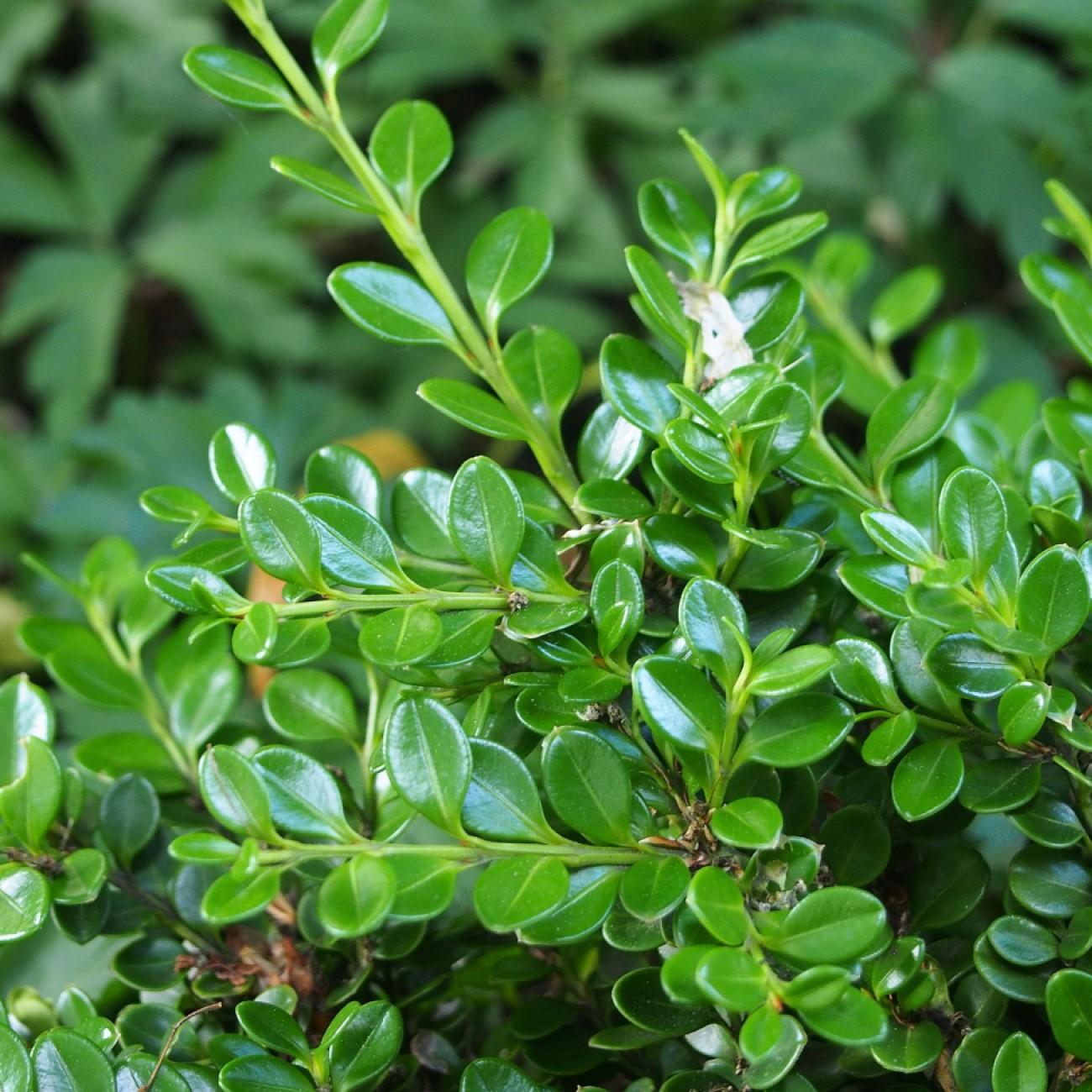
boxwood
Buxus microphylla 'Apple Green'
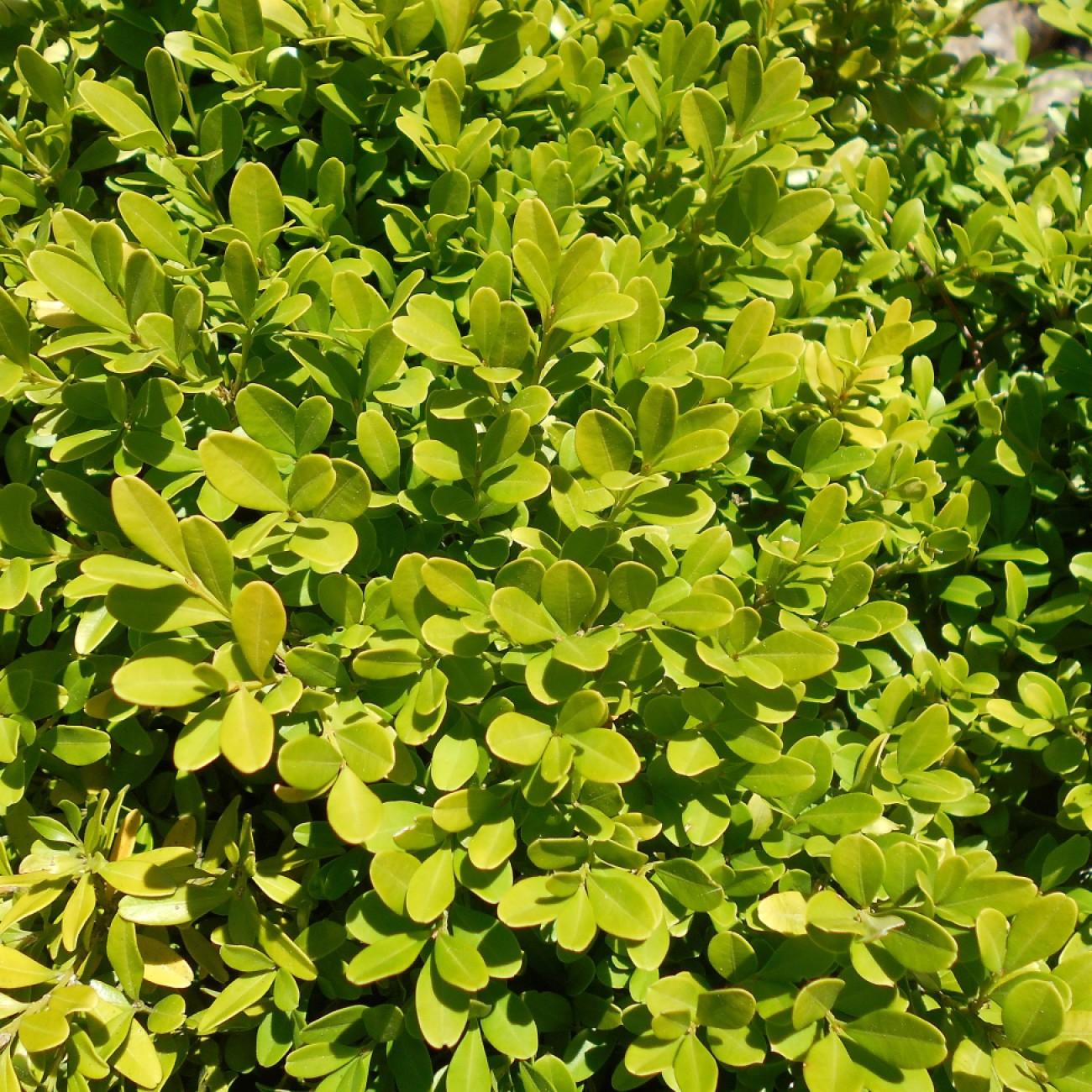
boxwood
Buxus microphylla 'Compacta'
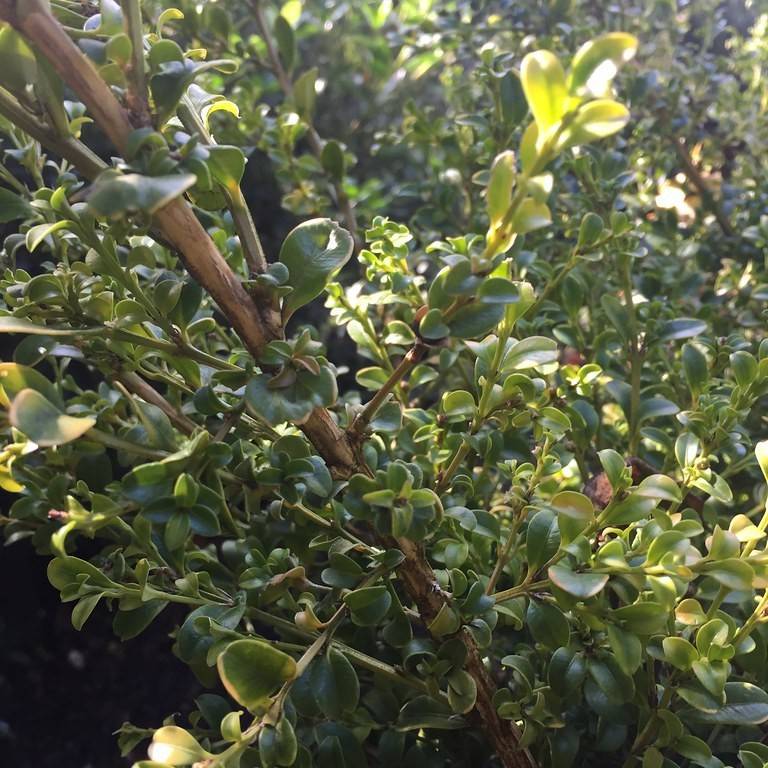
boxwood
Buxus microphylla 'Curly Locks'
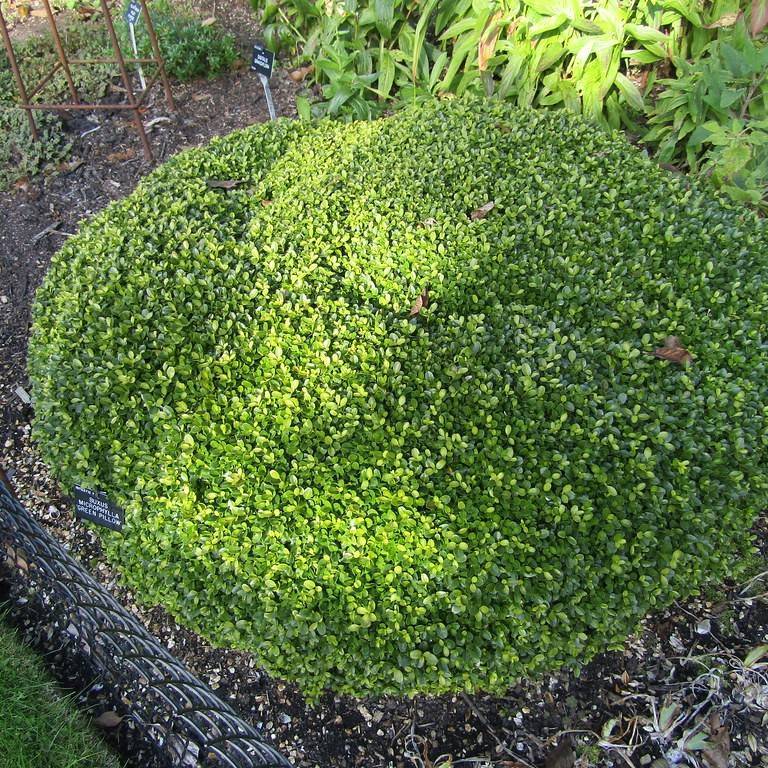
boxwood
Buxus microphylla 'Green Pillow'
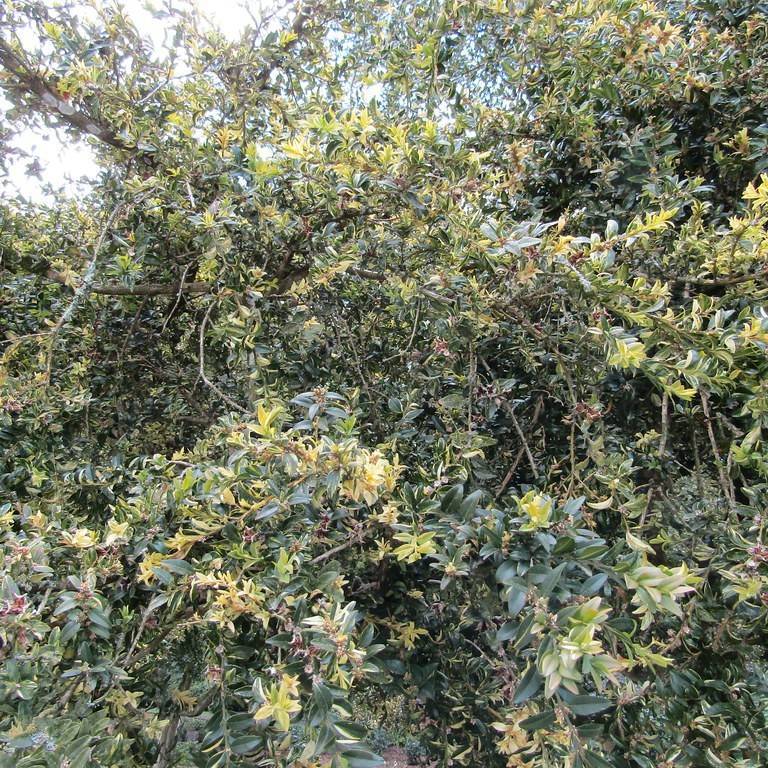
boxwood
Buxus sempervirens 'Aurea Pendula'
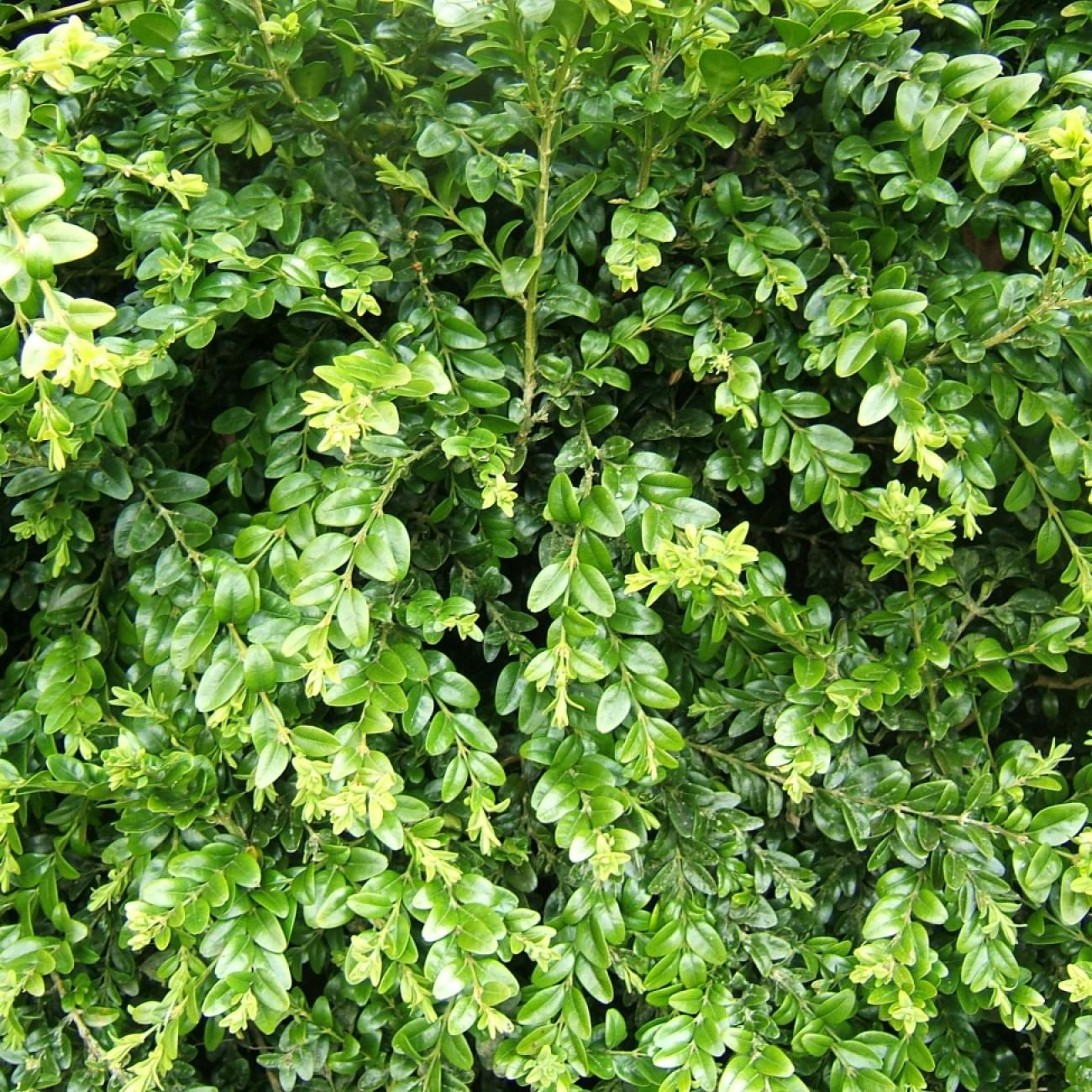
boxwood
Buxus sempervirens 'Chloe'
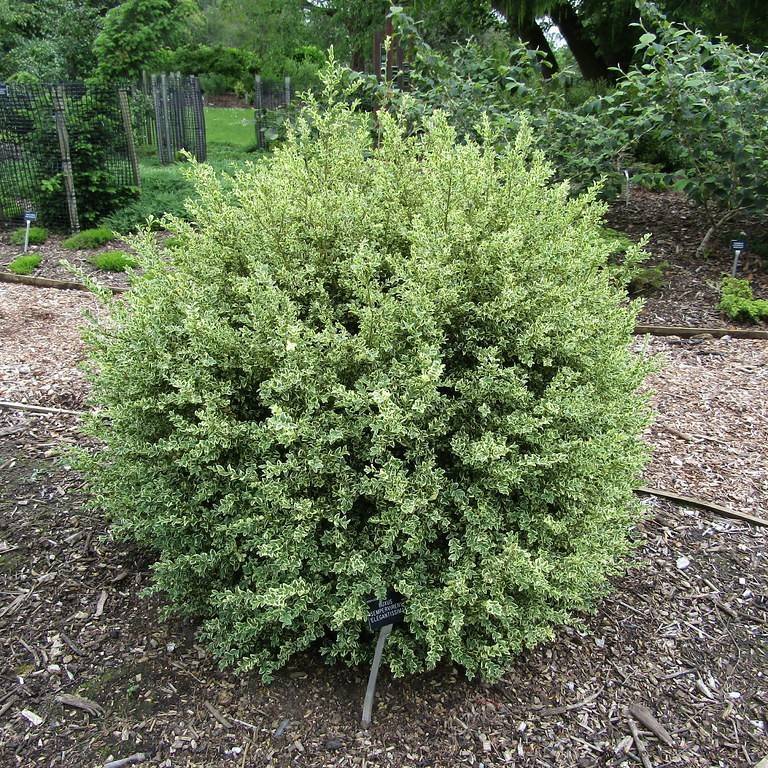
boxwood
Buxus sempervirens 'Elegantissima'
boxwood
Buxus sempervirens 'Fastigiata'