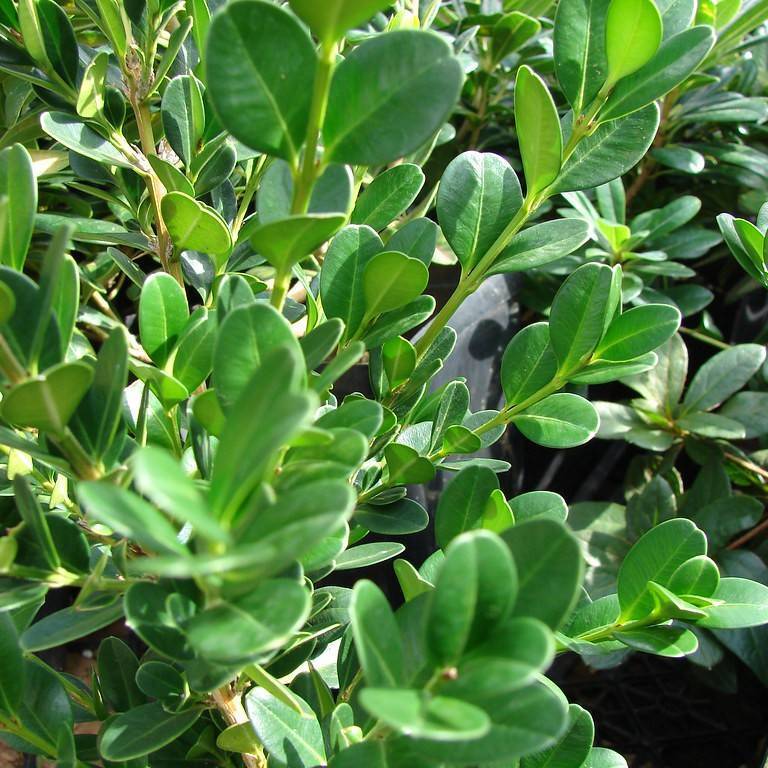
Japanese boxwood
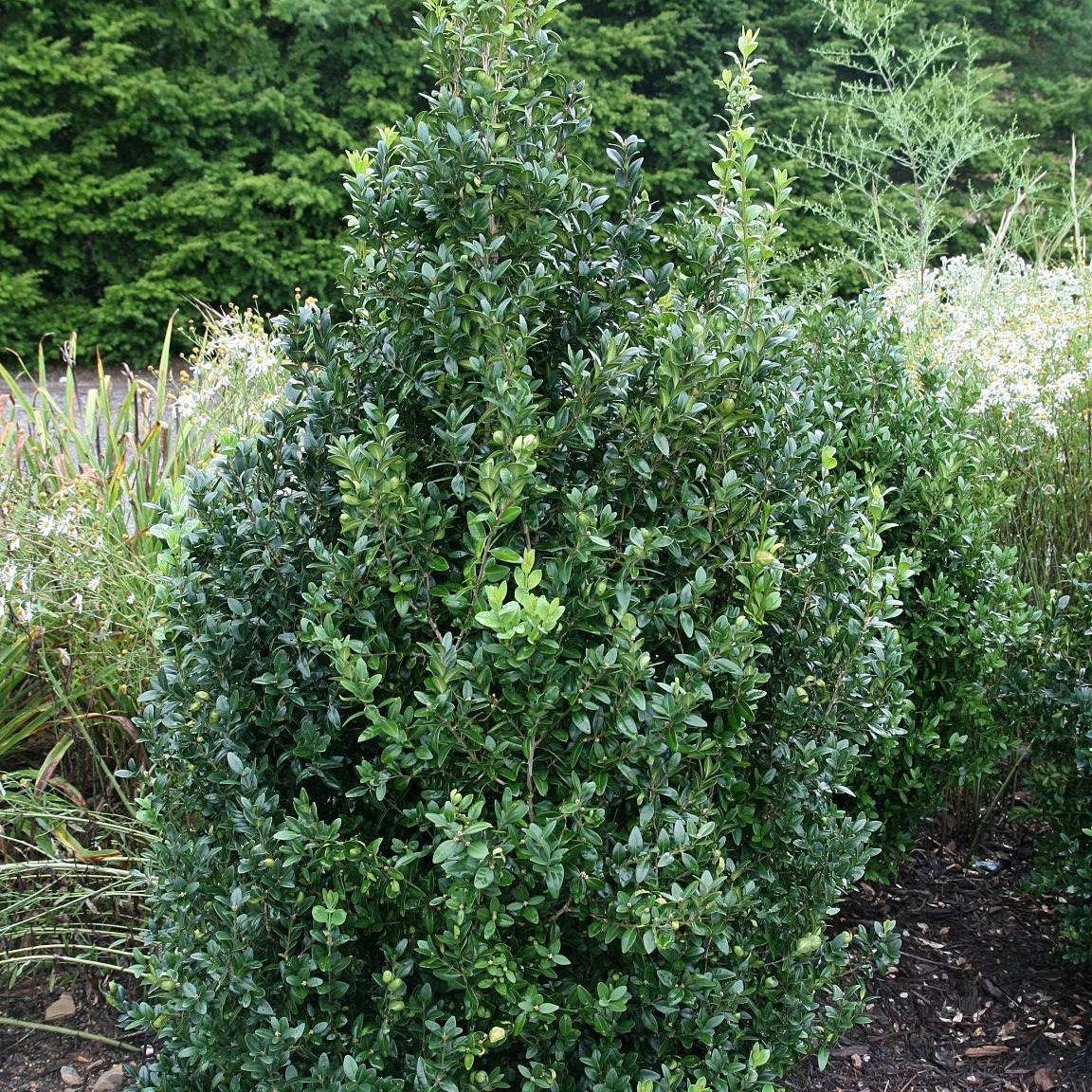
Buxus microphylla var. japonica 'Winter Gem'
Overview
Japanese Boxwood (Buxus microphylla var. japonica 'Winter Gem') is an amazing plant species for a variety of reasons. It is highly drought tolerant and can tolerate dense shade, making it an ideal choice for those with limited outdoor space or limited sunshine. Its dense growth and small leaves make it an excellent low-maintenance plant for enhancing the look of any landscape, while its bright green foliage provides excellent color throughout the year. Its resistance to sun and drought make it perfect for use in containers or in locations near walkways and driveways. In addition, its unique form provides visual interest as its branches often twist and turn. With its effortless beauty and ease of maintenance, Japanese Boxwood is a truly amazing species for any garden.
Care Guide
Watering
For optimal health, Japanese boxwood should be watered once each week or whenever the top 1-2 inches of soil feels dry to the touch. Make sure to water at the base of the plant to keep the leaves dry. Be sure not to over water, however, as this can lead to root rot. Japanese boxwood should never be allowed to sit in standing water or excessively wet conditions. At the same time, be careful not to underwater, as this can lead to leaves to yellow and drop.
Light
Japanese boxwood (Buxus microphylla var. japonica 'Winter Gem') prefers full sun, which means at least 6 hours of sunlight a day. This variety of boxwood also tolerates light shade, so it would do well in a spot that gets some shade during the heat of the afternoon. For best growth, Japanese boxwood should be planted in an area with a balanced amount of sunlight throughout the day and not in an area that is exposed to full sun all day long.
Soil
Well-drained
Temperature
Hardiness zone 6–9.
Pruning
Japanese boxwood should be pruned twice a year: once in late spring and once again in early summer. Pruning in early summer is to remove any dead, damaged, or diseased branches, and to keep its mineral shape. Late spring pruning should be done to reduce the size and shape of the shrub if desired. Be sure to use sharp, clean pruning shears and leave no stubs of the branches. Prune each branch so the shape of the topiary can be discerned. Remove no more than 1/3 of the foliage in 1 pruning session. After pruning, use a fertilizer to help the plant recover and thrive.
Propagation
Cutting, Layering Propagation, Grafting Propagation, Division
Diseases & Pests
Common pests: Pest resistant, Disease resistant, Deer resistant, Rabbit resistant, Drought resistant.
Related plants
Other plants you might like if you grow Japanese boxwood.
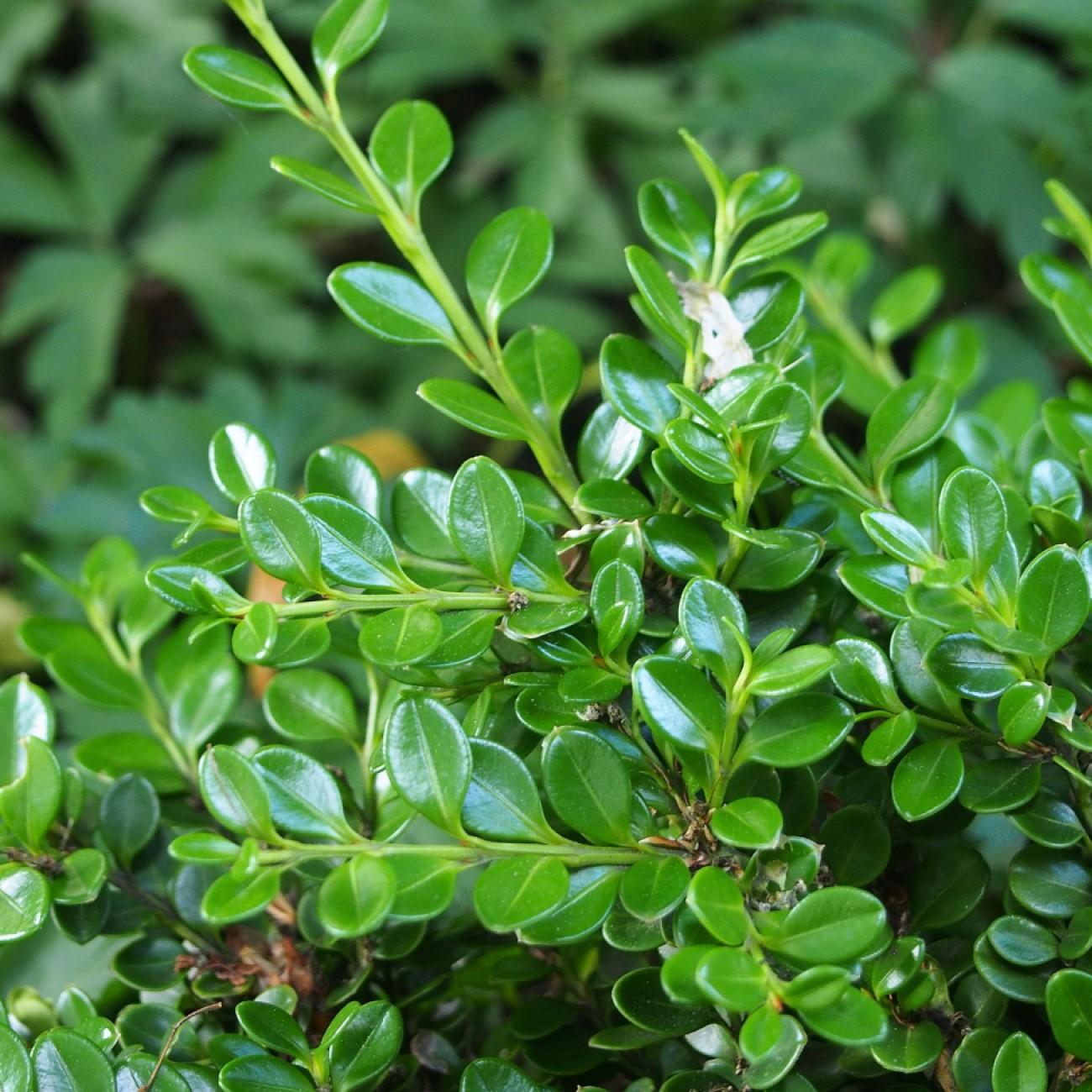
boxwood
Buxus microphylla 'Apple Green'
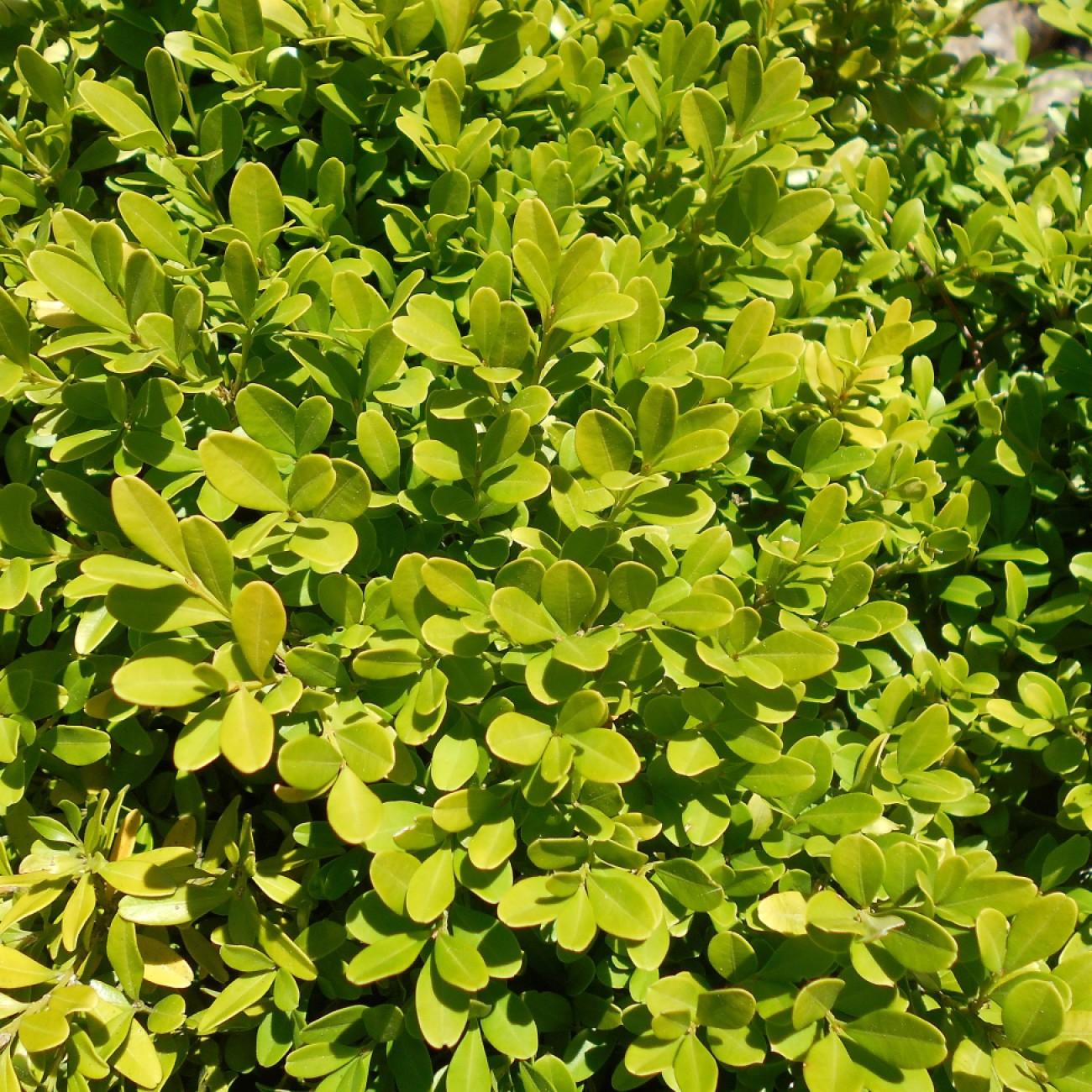
boxwood
Buxus microphylla 'Compacta'
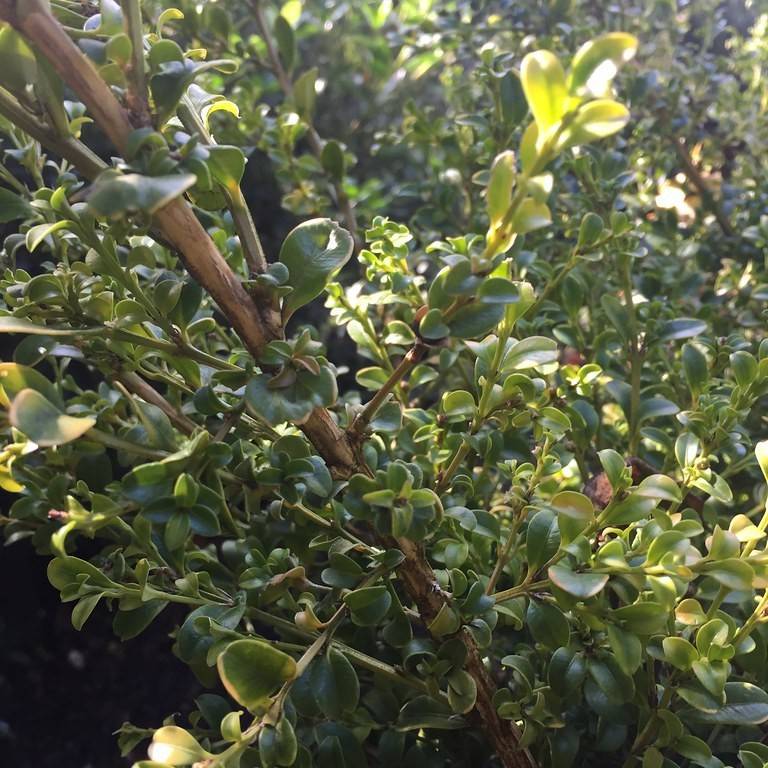
boxwood
Buxus microphylla 'Curly Locks'
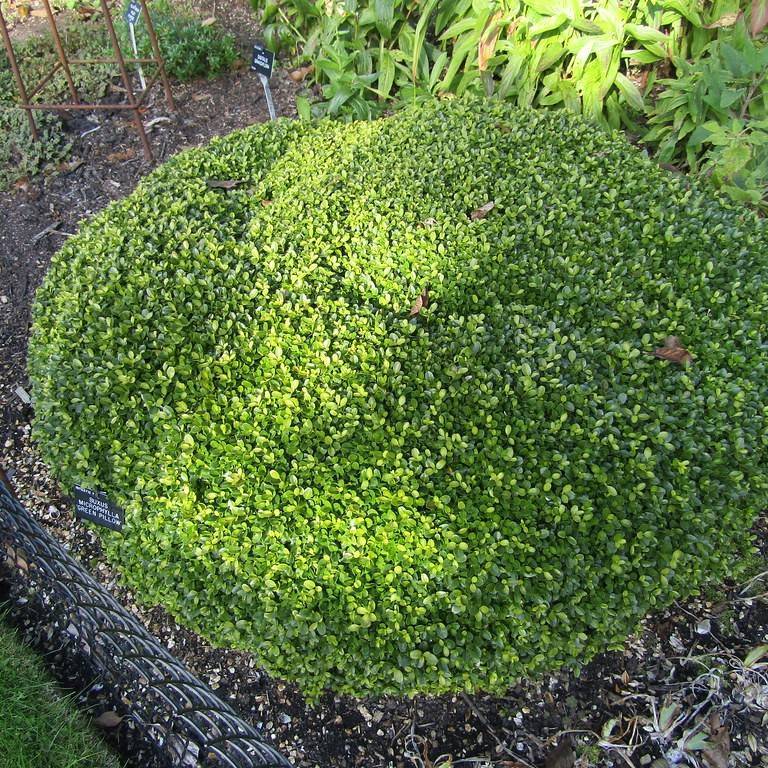
boxwood
Buxus microphylla 'Green Pillow'
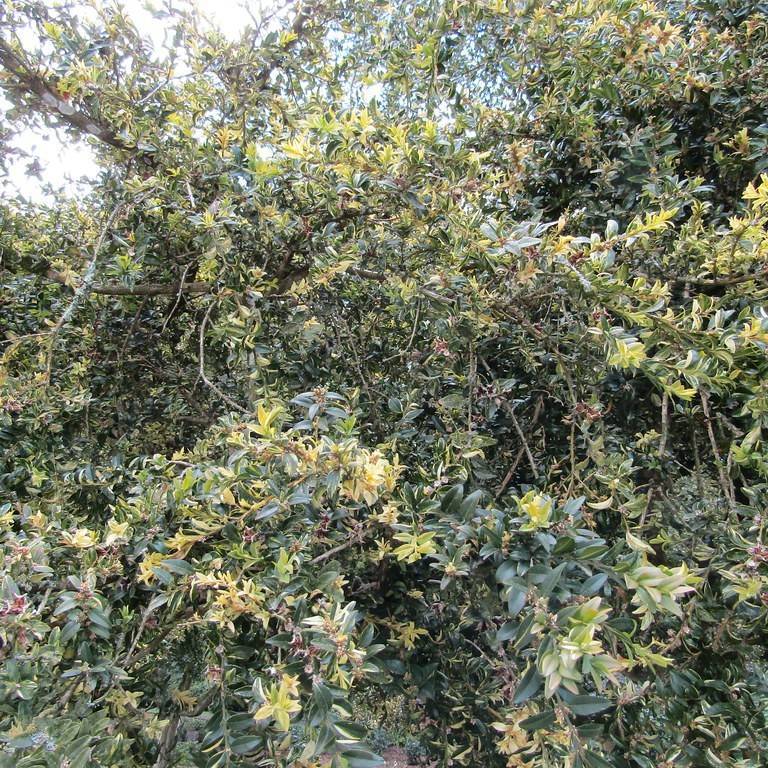
boxwood
Buxus sempervirens 'Aurea Pendula'
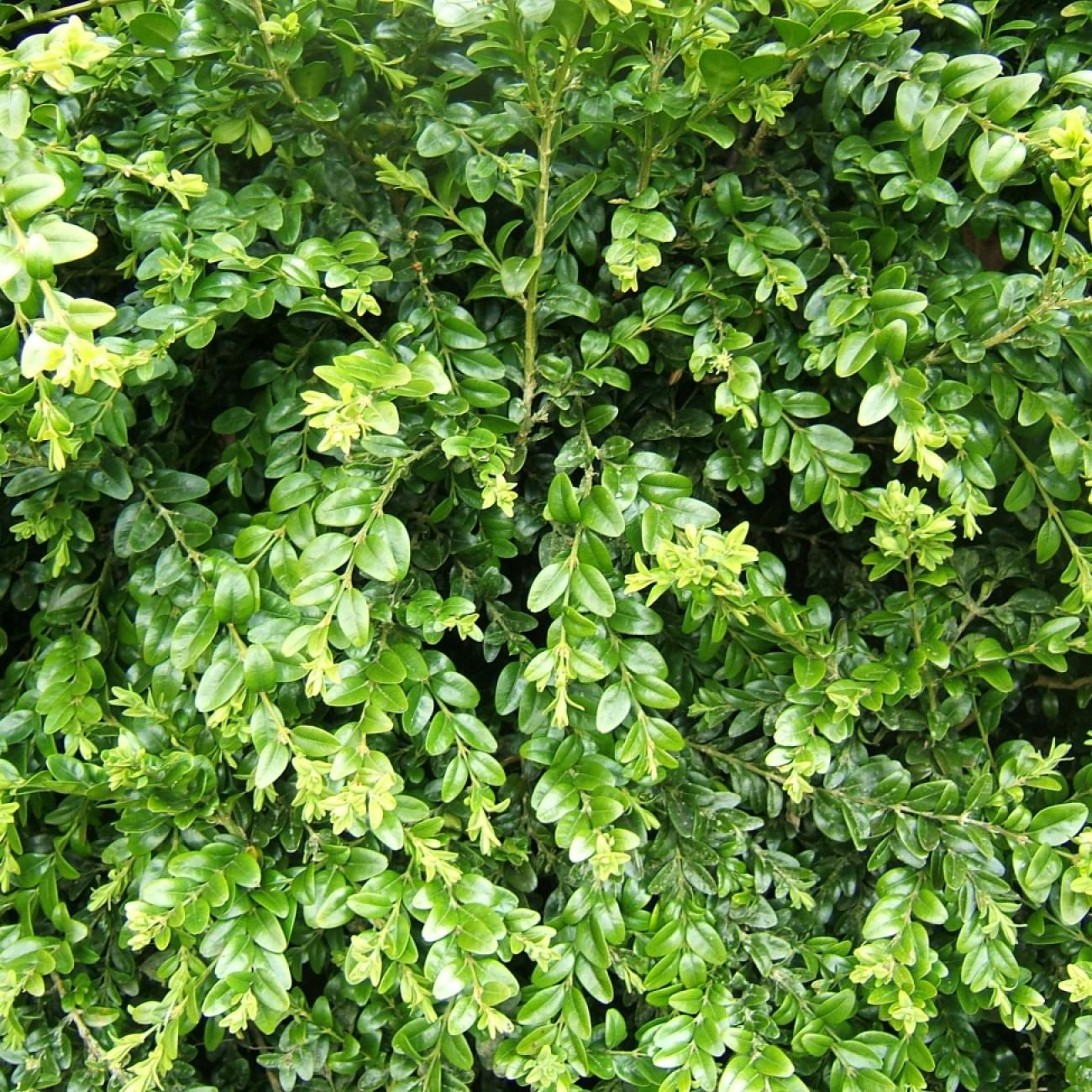
boxwood
Buxus sempervirens 'Chloe'
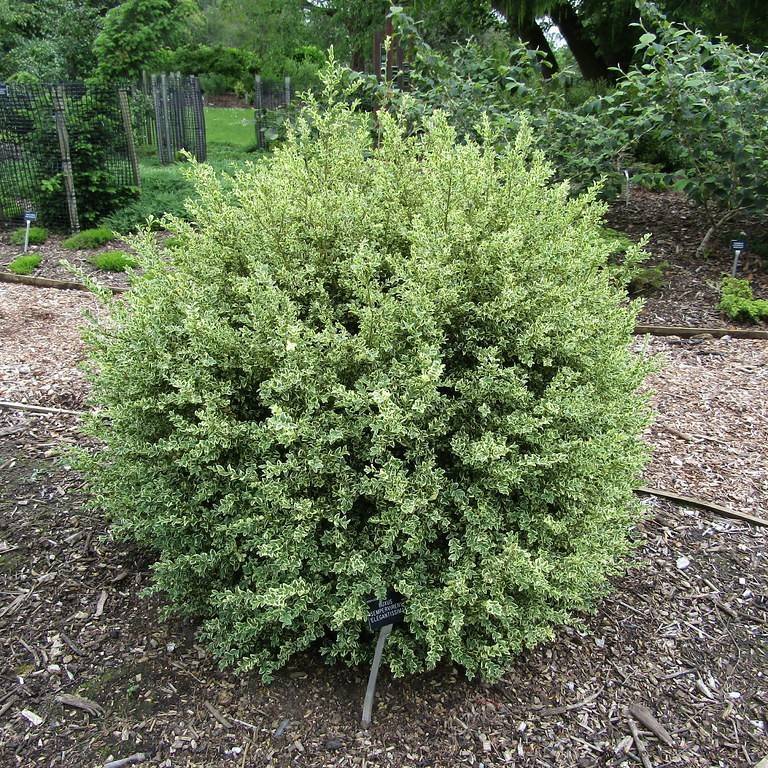
boxwood
Buxus sempervirens 'Elegantissima'
boxwood
Buxus sempervirens 'Fastigiata'